Introduction
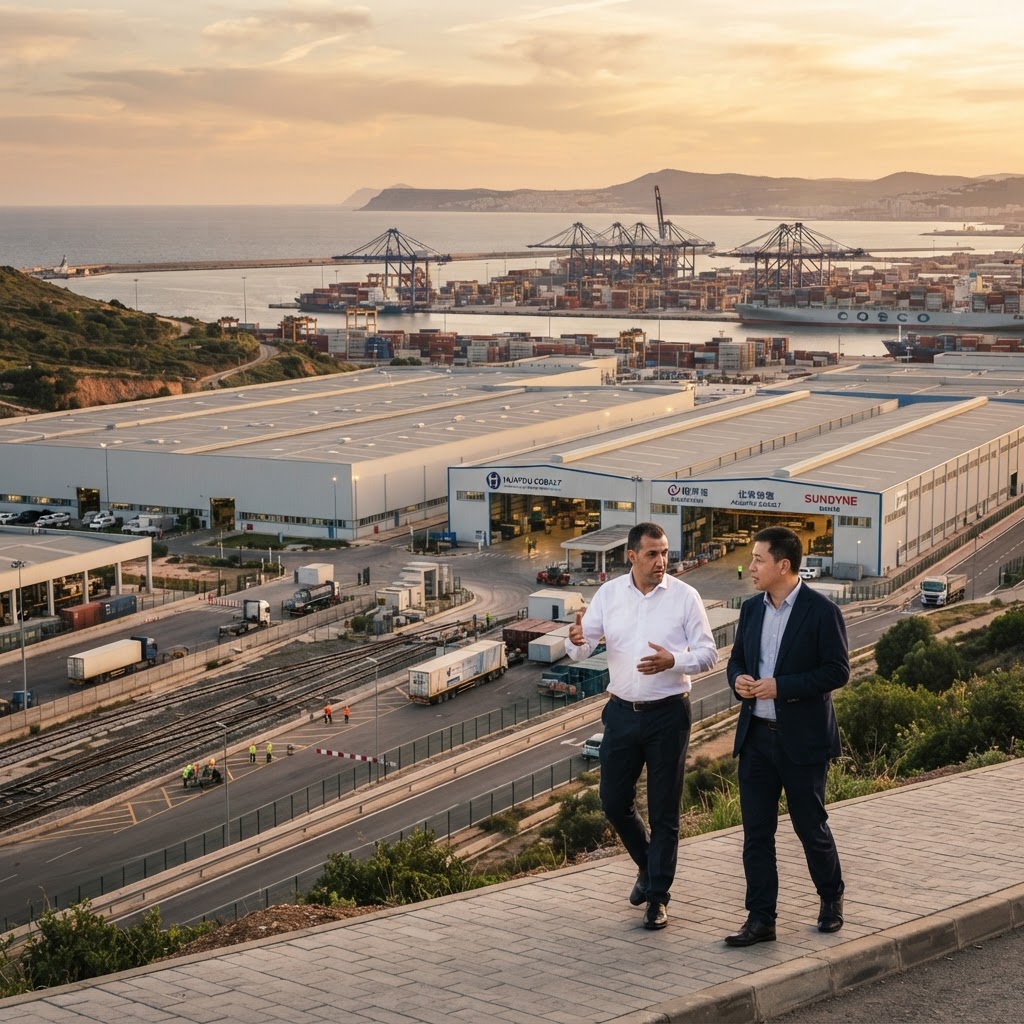
In recent years, Morocco has emerged as a pivotal destination for Chinese industrial capital, particularly within the automotive and green energy sectors. As global supply chains undergo significant restructuring, Morocco’s strategic positioning—bridging the gap between African manufacturing potential and European market demand—has made it a focal point for international expansion. From 2023 to 2025, Chinese-backed investment announcements in the country have reached approximately $6 billion, signaling a robust long-term commitment to the region.
This influx of capital is not merely opportunistic; it is a calculated move by Chinese manufacturers to integrate into the established Moroccan automotive ecosystem, which already hosts major global players like Renault and Stellantis. By leveraging Morocco’s proximity to Europe and its sophisticated industrial infrastructure, Chinese firms are effectively positioning themselves to serve the European market while navigating complex global trade dynamics.
Quick Answer
Chinese manufacturers are investing in Morocco primarily to gain proximity to European markets, bypass potential trade barriers, and integrate into a mature automotive supply chain. The country offers a unique combination of logistical advantages, competitive labor costs, and a growing ecosystem of renewable energy and battery-component manufacturing.
Market Overview
Morocco has successfully transitioned into Africa’s most industrialized nation and its largest car producer. This transformation is supported by a stable regulatory environment and a clear national strategy to become a global hub for electric vehicle (EV) production. Chinese companies, including major players like Gotion High-Tech and Minth Group, are establishing production bases to manufacture everything from tires and cables to advanced EV battery components.
Why It Matters to Investors
For foreign investors, the Chinese presence in Morocco serves as a bellwether for the country’s industrial viability. The scale of these investments—often involving hundreds of millions of dollars per project—validates the effectiveness of Morocco’s industrial zones and its ability to support high-tech manufacturing. Investors looking to enter the Moroccan market can benefit from the spillover effects of these large-scale projects, including improved infrastructure, a more skilled workforce, and a deeper pool of local suppliers.
Opportunities
The primary opportunities lie in the EV supply chain and green industrial sectors. Key areas include:
- Battery Components: Manufacturing of cathodes, anodes, and battery cells.
- Automotive Parts: Production of sealing systems, wiring, cables, and tires.
- Renewable Energy: Integration of green power solutions to support energy-intensive manufacturing processes.
- Logistics and Support Services: Warehousing and supply chain management tailored to the automotive industry.
Locations
Investment activity is concentrated in regions with high-quality industrial infrastructure and port access:
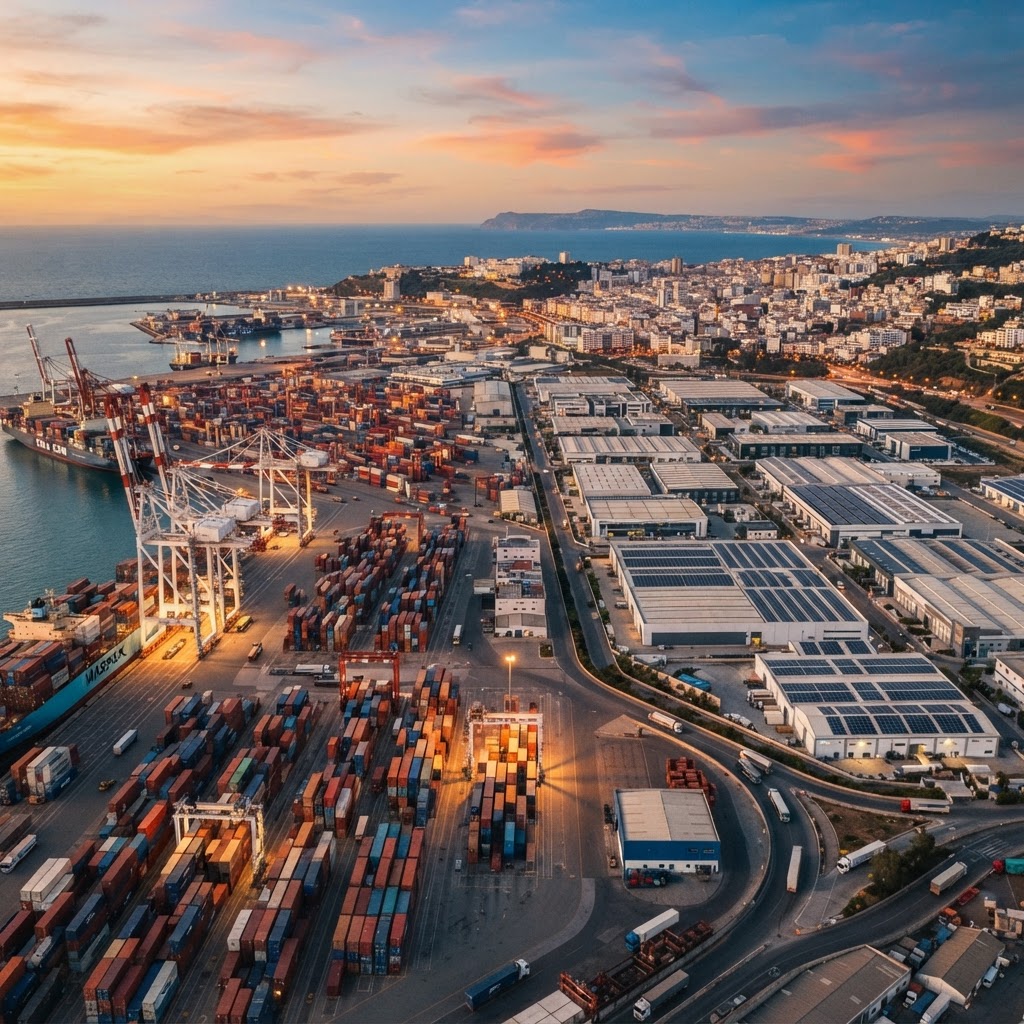
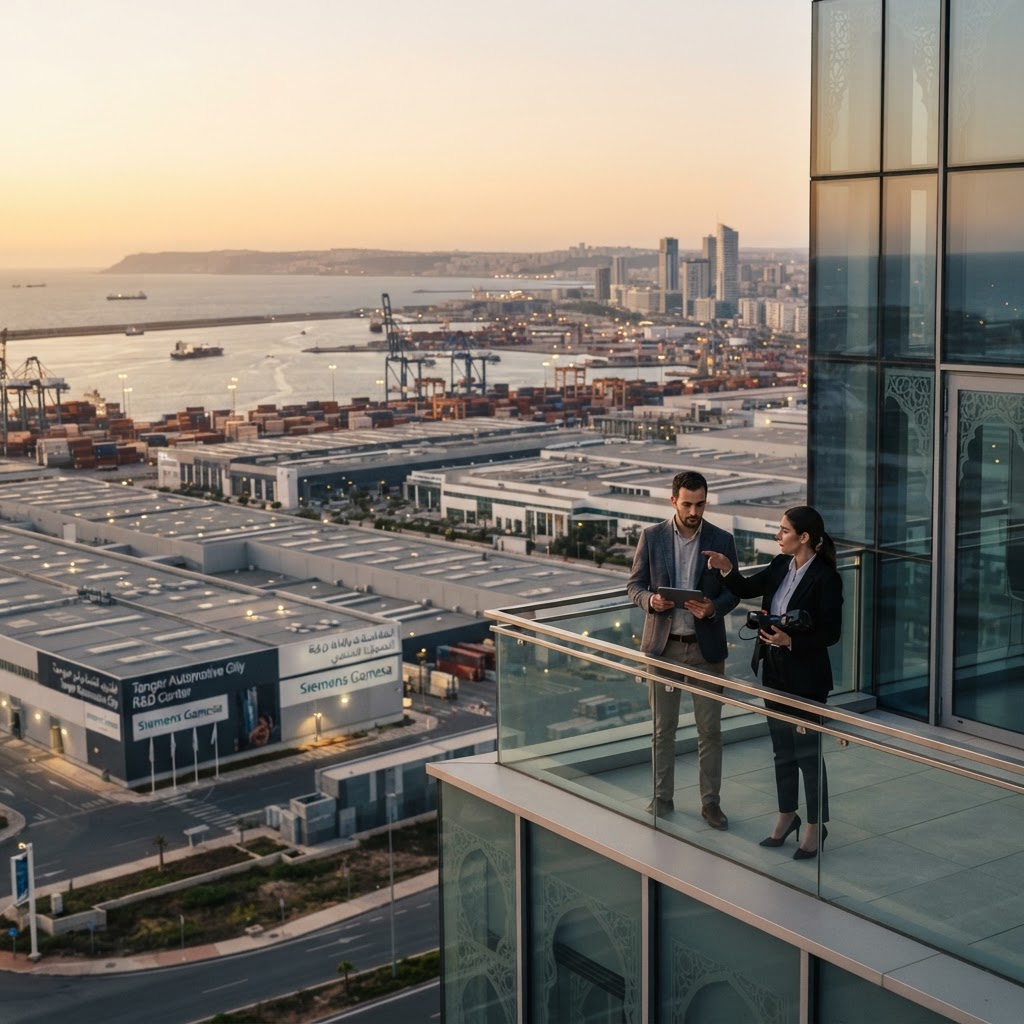
- Tangier: Home to the Tanger Med Port and Tanger Tech City, this region is the epicenter for automotive and battery manufacturing.
- Kenitra: A critical hub for automotive assembly and component production, benefiting from its proximity to major OEM plants.
- Casablanca: The traditional industrial and financial heart of the country, offering deep support services and logistics networks.
Ecosystem and Infrastructure
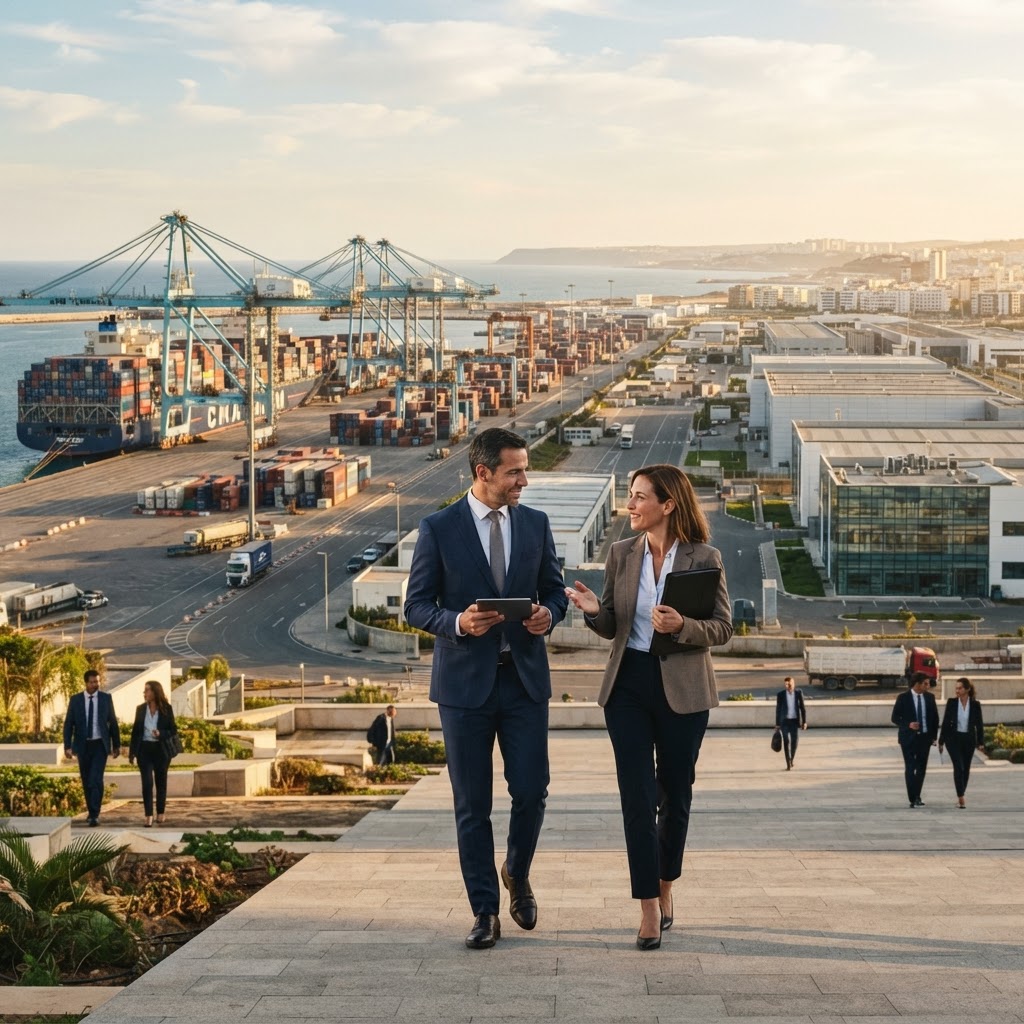
Morocco’s industrial ecosystem is characterized by a cluster-based approach. The presence of established automotive giants creates a ready-made demand for components, which Chinese manufacturers are now fulfilling. Infrastructure is a cornerstone of this success, with the Tanger Med Port providing world-class connectivity to European and global markets. Furthermore, the country’s commitment to renewable energy provides a competitive edge for manufacturers seeking to lower their carbon footprint.
Workforce and Costs
Morocco offers a competitive labor market with a growing pool of technical talent trained specifically for the automotive and industrial sectors. While costs vary significantly based on the specific industry, location, and scale of operations, Morocco remains a cost-effective alternative to European manufacturing hubs. Investors should conduct a detailed feasibility study, as operational costs are subject to fluctuations in energy prices and local supply chain maturity.
Incentives and Regulations
The Moroccan government, through the Investment Charter and various regional programs, provides a structured framework for foreign investors. Incentives may include tax exemptions, land subsidies, and support for training programs. Regulations are generally pro-business, though investors must ensure compliance with local labor laws and environmental standards. For those exploring entry, submitting an enquiry is a recommended first step to understand current eligibility for specific incentives.
Risks and Challenges
While the investment climate is favorable, challenges exist. These include potential shifts in EU trade policies regarding imported components, the need for continued grid infrastructure upgrades, and the complexities of navigating local regulatory requirements. Investors are advised to perform thorough due diligence and engage with local legal and financial experts to mitigate these risks.
Investor Considerations
Success in Morocco requires a long-term perspective. Investors should focus on building local partnerships, understanding the specific requirements of the European automotive supply chain, and leveraging the support services provided by agencies like AMDIE. Aligning with Morocco’s green energy goals is also increasingly important for long-term sustainability and regulatory compliance.
Sources
- AMDIE (Moroccan Agency for Investment and Export Development)
- Morocco Now
- HCP (High Commission for Planning)
- Bank Al-Maghrib
- Office des Changes
- World Bank
- OECD
- Moroccan Ministry of Industry and Trade
Planning an Investment in Morocco?
InvestMorocco.ai supports investors, companies and project developers with market intelligence, feasibility, market entry, site selection, local partnerships, supplier sourcing and investment project support across Morocco.
Discuss your project: