Introduction
Morocco has strategically positioned itself as a premier gateway for international capital, leveraging its geographic proximity to Europe, political stability, and a robust commitment to industrial modernization. Over the past decade, the Kingdom has evolved from a regional player into a global hub for high-value manufacturing, particularly in the automotive, aeronautics, and renewable energy sectors. By fostering a business-friendly environment and implementing structural reforms, Morocco has consistently outperformed many of its peers in attracting greenfield foreign direct investment (FDI).
For foreign investors, Morocco represents more than just a market; it is an integrated platform for export-oriented production. With a sophisticated network of industrial zones and a clear legislative framework, the country continues to refine its value proposition to meet the needs of global supply chains.
Quick Answer
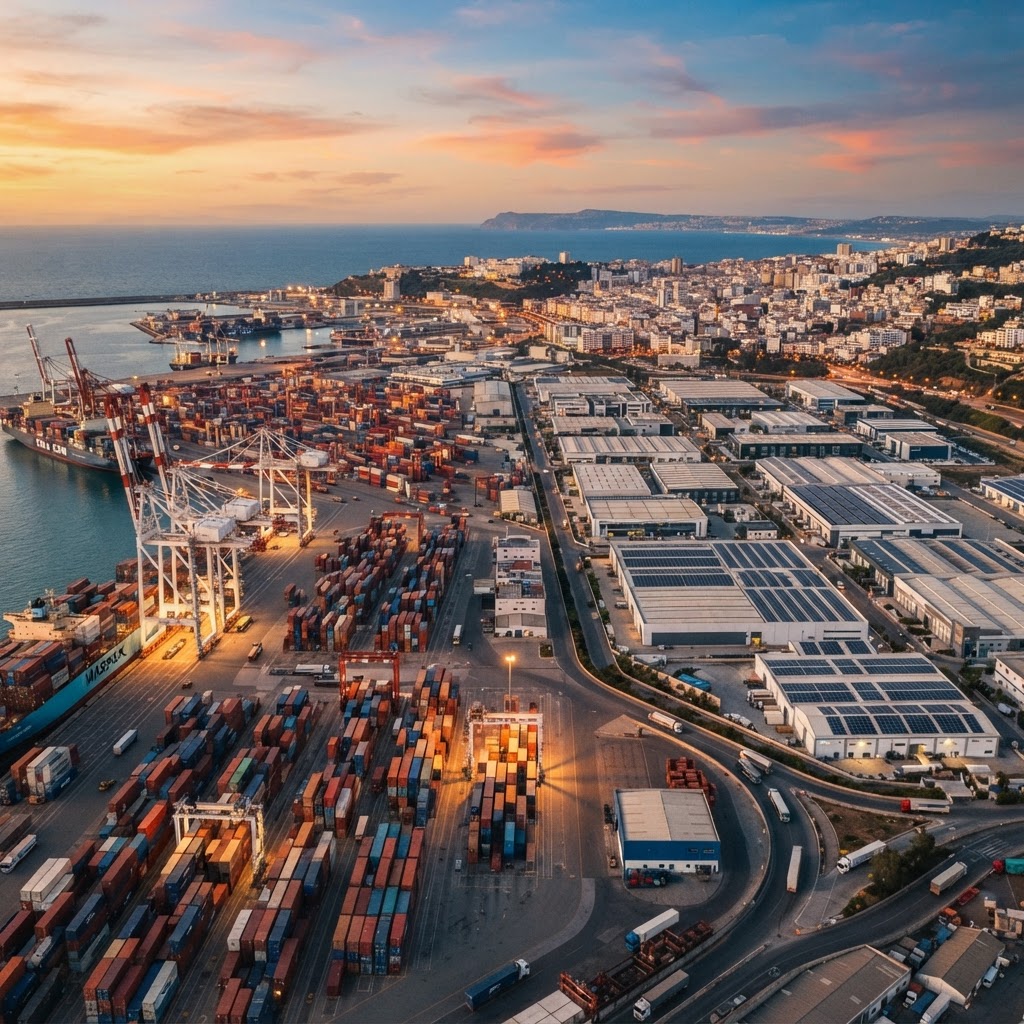
Morocco attracts FDI through a combination of political stability, world-class infrastructure like the Tanger Med port, and a competitive Investment Charter that offers significant tax and financial incentives. The country further enhances its appeal by maintaining extensive Free Trade Agreements (FTAs) with major global economies and investing heavily in a skilled, cost-competitive workforce.
Market Overview
Morocco’s economic trajectory has been characterized by resilience and diversification. According to reports from the OECD and World Bank, the country has successfully transitioned toward non-agricultural growth, with industrial production serving as a primary engine for GDP expansion. In 2025, FDI inflows showed strong momentum, reflecting investor confidence in the Kingdom’s long-term development strategy.
Why It Matters to Investors
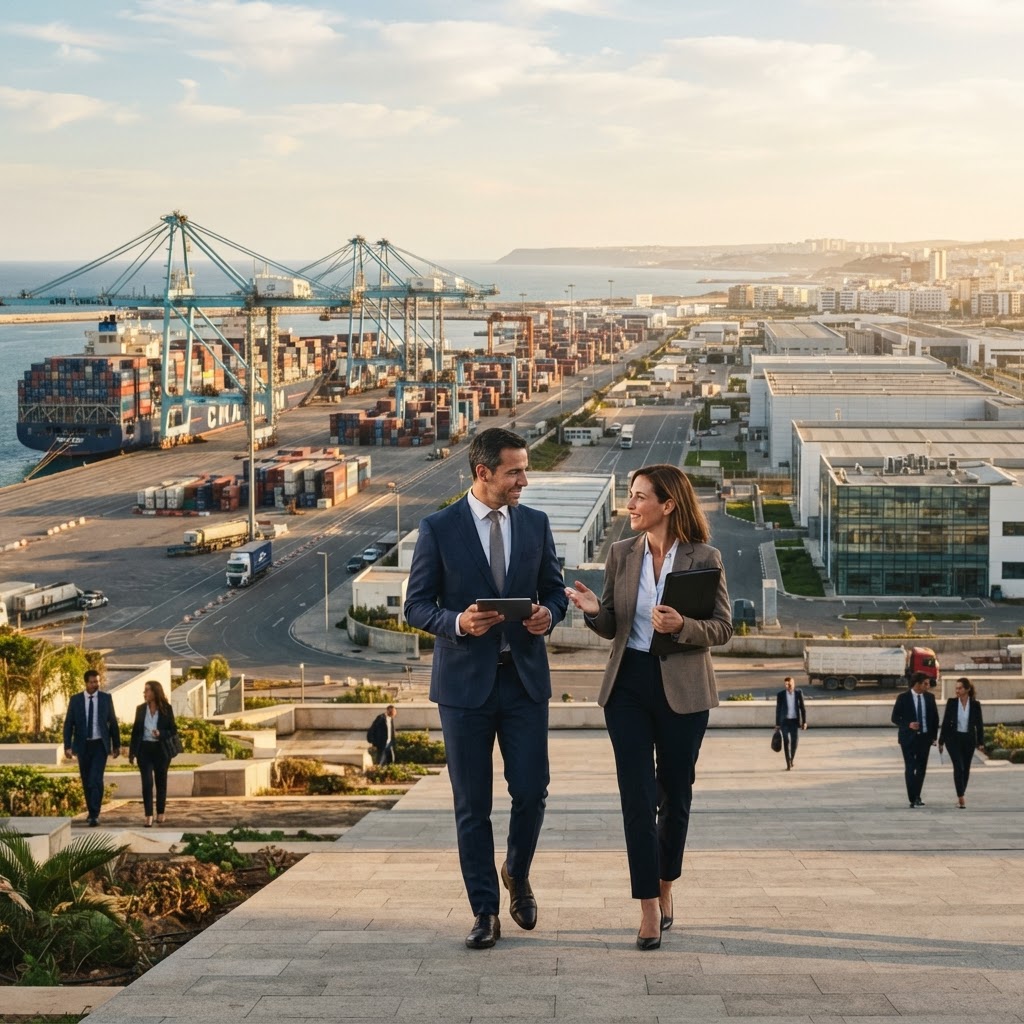
For international firms, Morocco offers a unique blend of risk mitigation and growth potential. The country’s commitment to macroeconomic stability, combined with its role as a bridge between Africa, Europe, and the Americas, makes it an ideal location for companies looking to diversify their manufacturing footprint. Investors benefit from a predictable regulatory environment and a government that actively facilitates large-scale industrial projects.
Opportunities and Strategic Locations
Opportunities for investment are concentrated in sectors where Morocco has developed a clear competitive advantage:
- Automotive and Aeronautics: Centered largely around the Casablanca and Tangier regions.
- Renewable Energy: Leveraging the country’s vast solar and wind potential.
- Tourism and Infrastructure: Driven by major upcoming international events and long-term development plans.
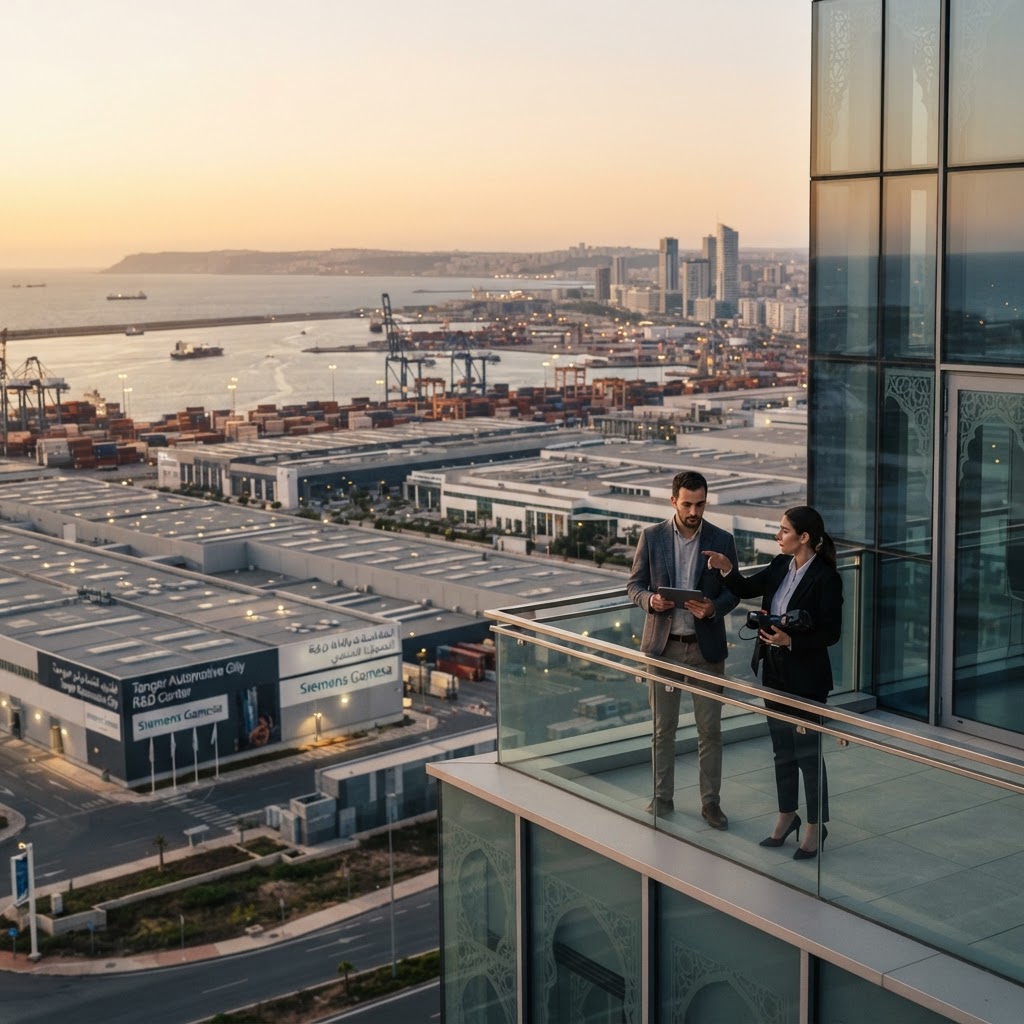
Key industrial hubs include the Tanger Med Industrial Platform, which provides seamless connectivity to global shipping routes, and various regional industrial zones designed to decentralize economic activity and provide tailored support for specific sectors.
Ecosystem and Infrastructure
Morocco’s ecosystem is built on the principle of integration. The country has invested heavily in logistics, including the expansion of the Tanger Med port and a high-speed rail network. This infrastructure is supported by a growing network of local suppliers and service providers, particularly in the automotive sector, where local integration rates have risen significantly. For those evaluating entry, our enquiry page provides further guidance on navigating these local ecosystems.
Costs and Workforce
Operating costs in Morocco are generally competitive compared to Southern European markets, though they vary significantly by sector, location, and the scale of the project. Labor costs remain attractive, and the government has prioritized vocational training programs to ensure the workforce meets the technical requirements of modern industry. Investors should note that while base costs are favorable, total investment costs are subject to specific project requirements and logistical needs.
Incentives and Regulations
The Investment Charter, updated in 2022, serves as the cornerstone of Morocco’s incentive framework. It provides a transparent mechanism for both domestic and foreign investors to access financial support, tax exemptions, and land access. These incentives are often tied to job creation, regional development, and the adoption of sustainable technologies. Furthermore, Morocco’s network of Free Trade Agreements provides preferential access to major markets, reducing trade barriers for companies based in the Kingdom.
Risks and Challenges
While the investment climate is favorable, investors must remain cognizant of potential challenges. These include the impact of climate-related risks on the agricultural sector, the need for continued labor market reforms to address unemployment, and the necessity of navigating local administrative procedures. Conducting thorough due diligence and engaging with local experts is essential to managing these variables effectively.
Investor Considerations
Successful investment in Morocco requires a long-term perspective. Investors should focus on aligning their projects with national priorities, such as the green transition and industrial integration. Understanding the regional nuances—where incentives may vary based on the development level of the specific province—is critical for optimizing the return on investment.
Sources
- AMDIE (Moroccan Agency for Investment and Export Development)
- Morocco Now
- World Bank (Morocco Economic Monitor)
- OECD Economic Outlook
- UNCTAD Investment Policy Hub
- Bank Al-Maghrib
Planning an Investment in Morocco?
InvestMorocco.ai supports investors, companies and project developers with market intelligence, feasibility, market entry, site selection, local partnerships, supplier sourcing and investment project support across Morocco.
Discuss your project: