Introduction
Morocco has strategically positioned itself as a premier industrial hub at the crossroads of Europe, Africa, and the Middle East. Central to this economic transformation is the country's sophisticated network of Industrial Acceleration Zones (IAZs), formerly known as free trade zones. These zones serve as the backbone of Morocco's export-oriented industrial strategy, designed to attract foreign direct investment (FDI) by offering a competitive, business-friendly environment that integrates global supply chains.
By leveraging its geographic proximity to European markets and its robust infrastructure, Morocco has successfully transitioned from a traditional economy to a manufacturing powerhouse in sectors such as automotive, aeronautics, electronics, and textiles. For international investors, understanding the mechanics of these zones is essential for navigating the Moroccan business landscape effectively.
Quick Answer
Morocco's free zone strategy, now officially termed Industrial Acceleration Zones (IAZs), is a government-led initiative to attract foreign investment by providing dedicated industrial hubs with significant tax, customs, and regulatory incentives. These zones are designed to boost export-oriented manufacturing, streamline administrative procedures, and integrate Morocco into global value chains.
Market Overview
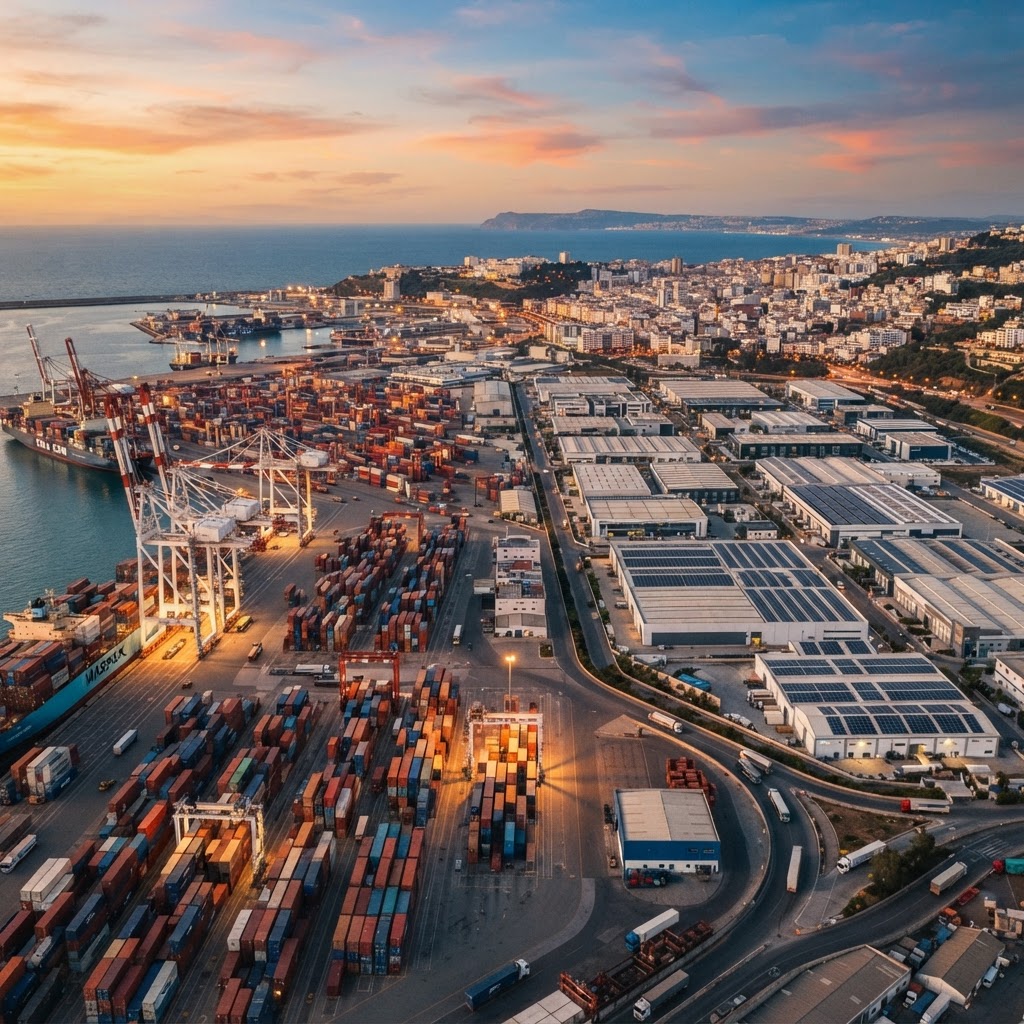
The evolution of Morocco's industrial policy has been marked by a shift toward high-value-added sectors. According to World Bank data, the weight of industry in Morocco's GDP grew significantly between 2014 and 2020, a trend largely attributed to the success of these industrial hubs. Today, there are over 150 industrial zones across the country, covering more than 12,000 hectares and hosting thousands of firms. These zones are not merely physical spaces; they are integrated ecosystems that provide the infrastructure, logistics, and support services necessary for large-scale industrial operations.
Why It Matters to Investors
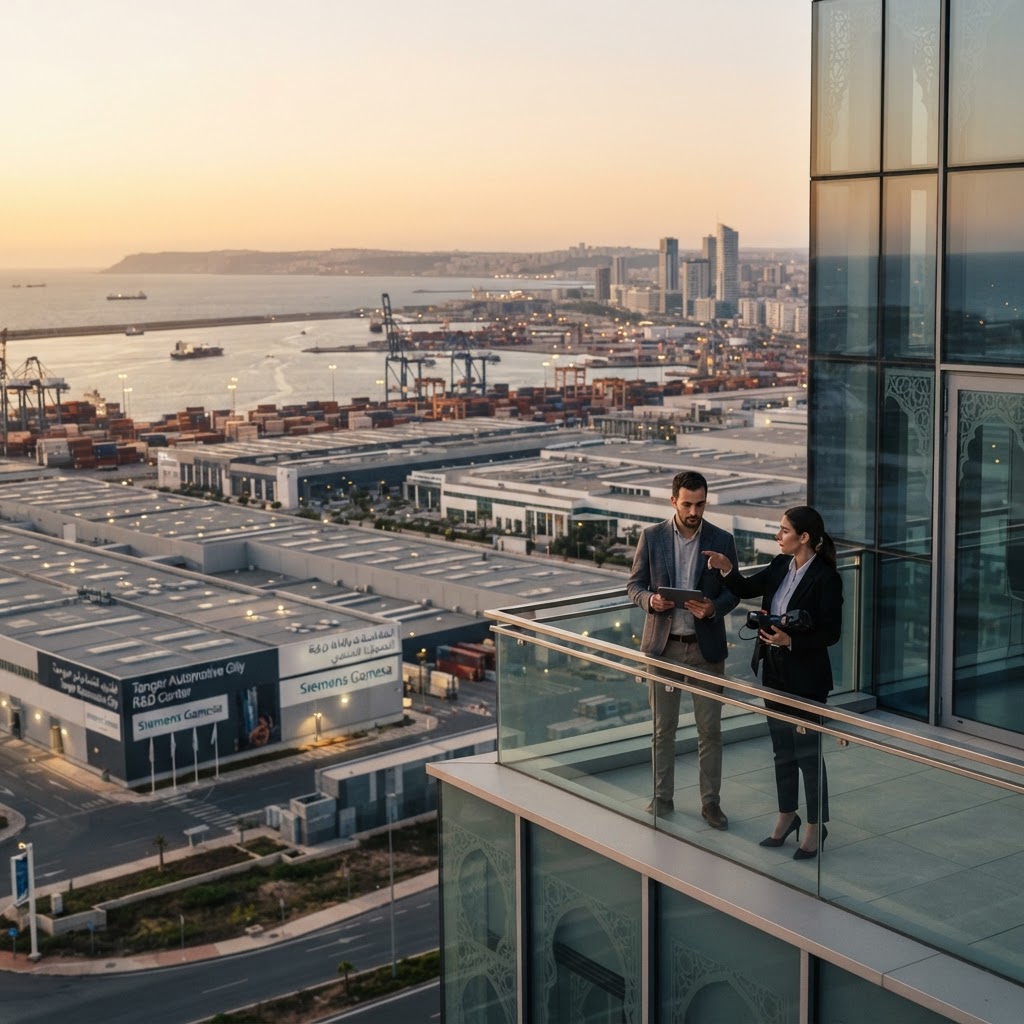
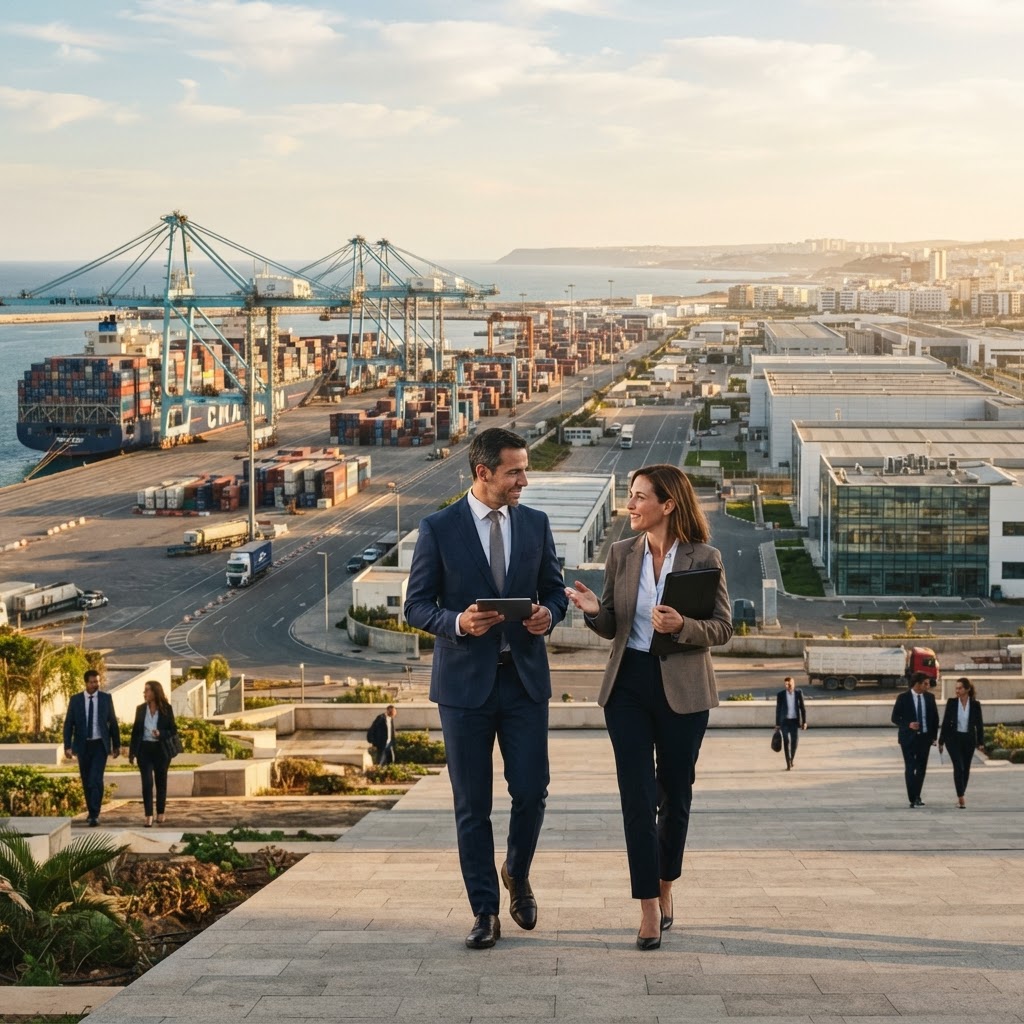
For foreign investors, the IAZs represent a de-risked entry point into the Moroccan market. The strategy provides a predictable regulatory framework, access to world-class logistics—such as the Tanger-Med Port—and a competitive cost structure. By operating within these zones, companies can benefit from simplified customs procedures and financial incentives that significantly improve the return on investment (ROI) for export-heavy business models.
Opportunities and Locations
Morocco’s industrial zones are strategically distributed to leverage regional strengths. Key locations include:
- Tanger-Med Zone (TMZ): Often cited as one of the most successful free zones globally, it hosts automotive, logistics, and aeronautics clusters.
- Tetouan Shore and Tetouan Park: Focused on offshoring, services, and light industry.
- Agadir and Southern Regions: Increasingly focused on agribusiness and renewable energy-linked manufacturing.
- Rabat and Casablanca Hubs: Centers for high-tech, electronics, and specialized manufacturing.
Investors are encouraged to explore specific regional opportunities through our enquiry portal to determine which zone aligns with their sector-specific requirements.
Incentives and Regulations
The incentive framework is a cornerstone of the Moroccan strategy, often governed by the Investment Charter and the Finance Law. Common benefits include:
- Taxation: Companies may benefit from full corporate tax exemptions for the first five years, followed by a capped rate for subsequent years.
- Customs: Exemption from import duties and VAT on goods entering the zones for export purposes.
- Financial Aid: Installation aid may be available, sometimes reaching up to 10% of the total investment, subject to specific criteria and government approval.
- Foreign Exchange: Flexible regulations allow for easier management of foreign currency accounts to finance operations.
Note: All incentives are subject to individual project evaluation and compliance with current Finance Laws.
Workforce and Infrastructure
Morocco offers a dynamic labor pool, with approximately 70% of the population under the age of 35. This demographic dividend supports industries requiring both manual labor and technical expertise. Furthermore, the government has invested heavily in vocational training centers that partner with private firms to ensure the workforce meets international standards. Infrastructure, including high-speed rail, modern highways, and state-of-the-art port facilities, ensures that supply chains remain efficient and reliable.
Risks and Challenges
While the environment is pro-business, investors should remain mindful of potential challenges:
- Regulatory Complexity: Navigating the transition between local and zone-specific regulations requires professional guidance.
- Market Dependence: Most IAZs are designed for export; selling into the local Moroccan market may trigger different tax and customs obligations.
- Compliance: Strict adherence to environmental and labor standards is required to maintain zone status.
Investor Considerations
Before committing to a location, investors should conduct a thorough feasibility study. Key factors include proximity to raw materials, access to specialized labor, and the specific sector-based incentives available under the current Investment Charter. Engaging with local authorities and legal experts is a critical step in the setup process.
Sources
- AMDIE (Moroccan Agency for Investment and Export Development)
- Morocco Now
- World Bank
- OECD
- Office des Changes
- Bank Al-Maghrib
- Tanger-Med Port Authority
Planning an Investment in Morocco?
InvestMorocco.ai supports investors, companies and project developers with market intelligence, feasibility, market entry, site selection, local partnerships, supplier sourcing and investment project support across Morocco.
Discuss your project: