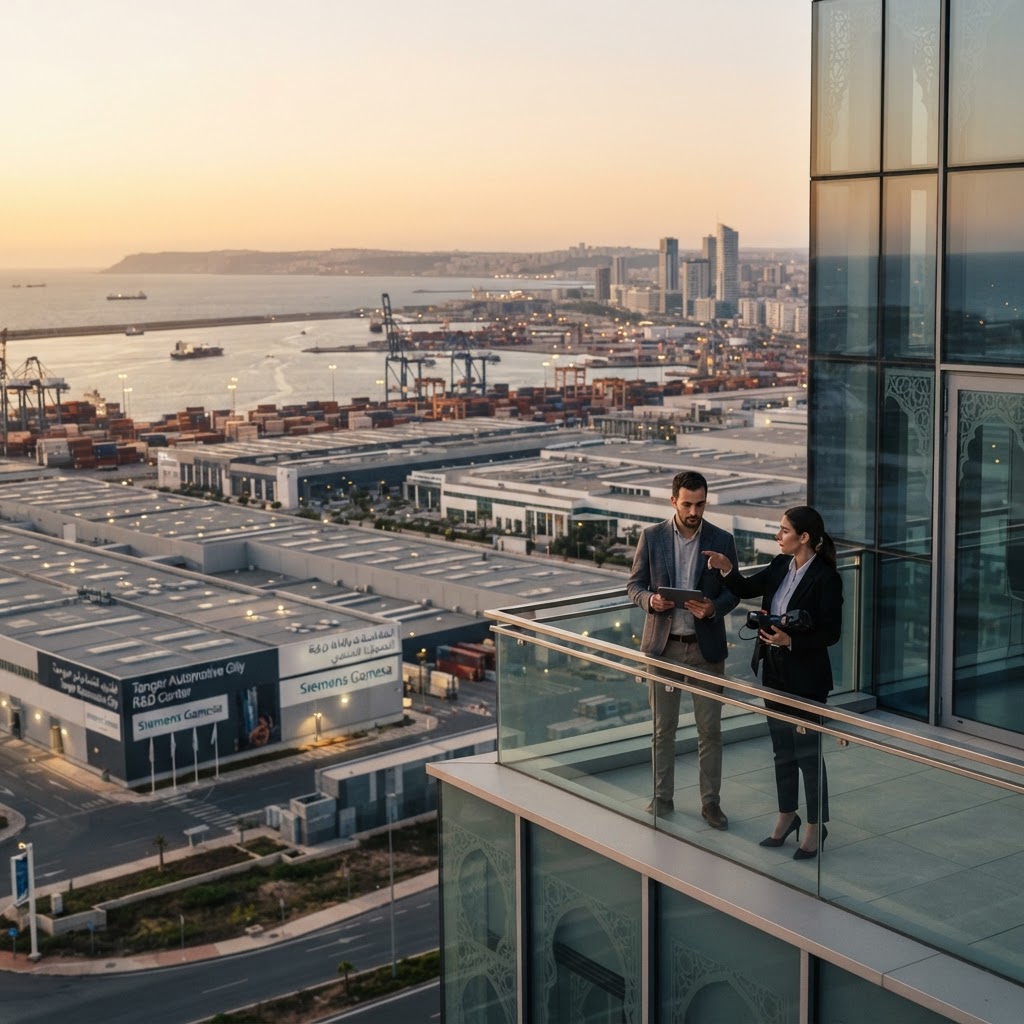
Understanding Morocco's R&D Landscape
Morocco has undergone a significant transformation over the past decade, evolving from a traditional manufacturing and agricultural hub into an emerging center for technology, innovation, and research and development (R&D). Driven by a strategic vision to integrate into global value chains, the Kingdom is actively fostering an ecosystem that bridges the gap between academic research and industrial application.
For foreign investors, understanding the R&D landscape is essential for identifying high-growth opportunities in sectors such as agri-tech, renewable energy, automotive engineering, and digital services. With a focus on building a knowledge-based economy, Morocco is increasingly positioning itself as a regional gateway for innovation in Africa.
Quick Answer
Morocco's R&D landscape is a rapidly maturing ecosystem characterized by strong government support, the rise of specialized innovation hubs like UM6P, and a strategic shift toward market-driven technology transfer. Investors can leverage a growing pool of technical talent and targeted state incentives to develop, test, and scale industrial and digital solutions within the region.
Market Overview
The Moroccan R&D environment is currently defined by a transition from a 'technology-push' model to a 'market-pull' strategy. As of 2025, the ecosystem is supported by the National Plan for the Acceleration and Transformation of the Higher Education, Scientific Research and Innovation (ESRI) ecosystem, which aligns research efforts with the country's New Development Model. Key stakeholders include the Université Mohammed VI Polytechnique (UM6P), which has become a cornerstone for IP and innovation training, and various industrial clusters supported by the state.
Why It Matters to Investors
Investing in Moroccan R&D offers a unique value proposition: the ability to combine competitive operational costs with high-quality technical infrastructure. By establishing R&D centers in Morocco, companies can access the African market while benefiting from proximity to European markets. The focus on intellectual property (IP) protection and the launch of specialized programs, such as the Executive Master in IP and Innovation (MIPI) launched in 2025, signals a maturing regulatory environment that provides greater security for foreign capital.
Key Opportunities
- Agri-Tech: With 68% of land dedicated to agriculture, there is significant demand for climate-smart technologies and food-tech innovation.
- Automotive & Aerospace: Leveraging existing industrial clusters to move up the value chain into design and engineering.
- Renewable Energy: Utilizing Morocco’s leadership in solar and wind to drive R&D in green hydrogen and energy storage.
- Digital Transformation: Growing demand for AI-driven solutions in finance, logistics, and public services.
Locations and Infrastructure
Innovation is geographically concentrated in key industrial and academic hubs:
- Ben Guerir: Home to the UM6P campus, serving as the primary nexus for advanced research and technology transfer.
- Casablanca: The primary hub for tech startups and corporate innovation centers, supported by established Technoparks.
- Rabat: A center for policy-driven research and academic excellence, hosting major engineering schools like ENSIAS and EMI.
- Marrakesh: Increasingly focused on logistics and tourism-related technology solutions.
Incentives and Support
The Moroccan government provides a robust framework for R&D investment, notably through the Investment Charter. Since 2022, the state has launched specific R&D and innovation programs targeting the industrial sector. These initiatives often include:
- Financial grants for selected industrial clusters.
- Tax incentives for companies investing in local R&D facilities.
- Support for public-private partnerships (PPPs) that facilitate technology transfer.
Investors are encouraged to contact our team to evaluate how these incentives may apply to specific project scopes.
Workforce and Talent
Morocco benefits from a young, multilingual, and increasingly technical workforce. The integration of engineering schools with industrial partners ensures that graduates are equipped with practical skills. However, as the market grows, competition for specialized talent in AI and advanced manufacturing is rising, making early engagement with local universities a strategic advantage.
Risks and Challenges
While the landscape is improving, investors should be aware of certain challenges:
- Visibility: Commercializing research results remains a work in progress, with some sectors still lacking clear regulatory pathways for technology transfer.
- Market Maturity: While the startup ecosystem is booming, some niche R&D sectors are still in the early stages of development.
- Regulatory Complexity: Navigating the intersection of industrial law and IP rights requires local expertise to ensure full compliance.
Investor Considerations
Successful R&D investment in Morocco requires a long-term perspective. Investors should prioritize partnerships with local entities—such as OCP Group or academic institutions—to navigate the ecosystem effectively. Conducting a thorough feasibility study and engaging with local legal counsel is recommended to mitigate risks associated with IP and regulatory shifts.
Sources
- AMDIE (Moroccan Agency for Investment and Export Development)
- Morocco Now
- World Intellectual Property Organization (WIPO)
- The World Bank (Reform Matrix)
- Joint Research Centre (JRC) - European Union
- Bioversity International and CIAT (Agri-tech report 2025)
Planning an Investment in Morocco?
InvestMorocco.ai supports investors, companies and project developers with market intelligence, feasibility, market entry, site selection, local partnerships, supplier sourcing and investment project support across Morocco.
Discuss your project: