Introduction
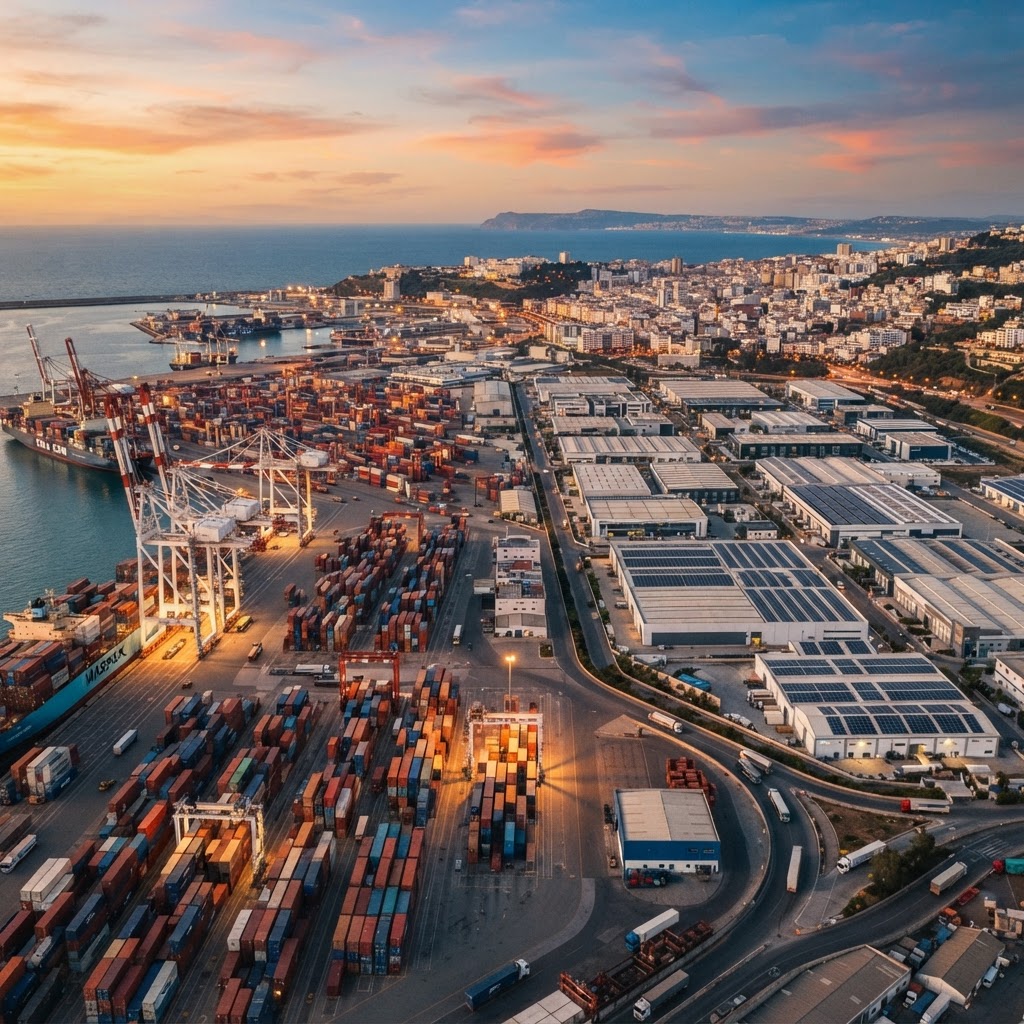
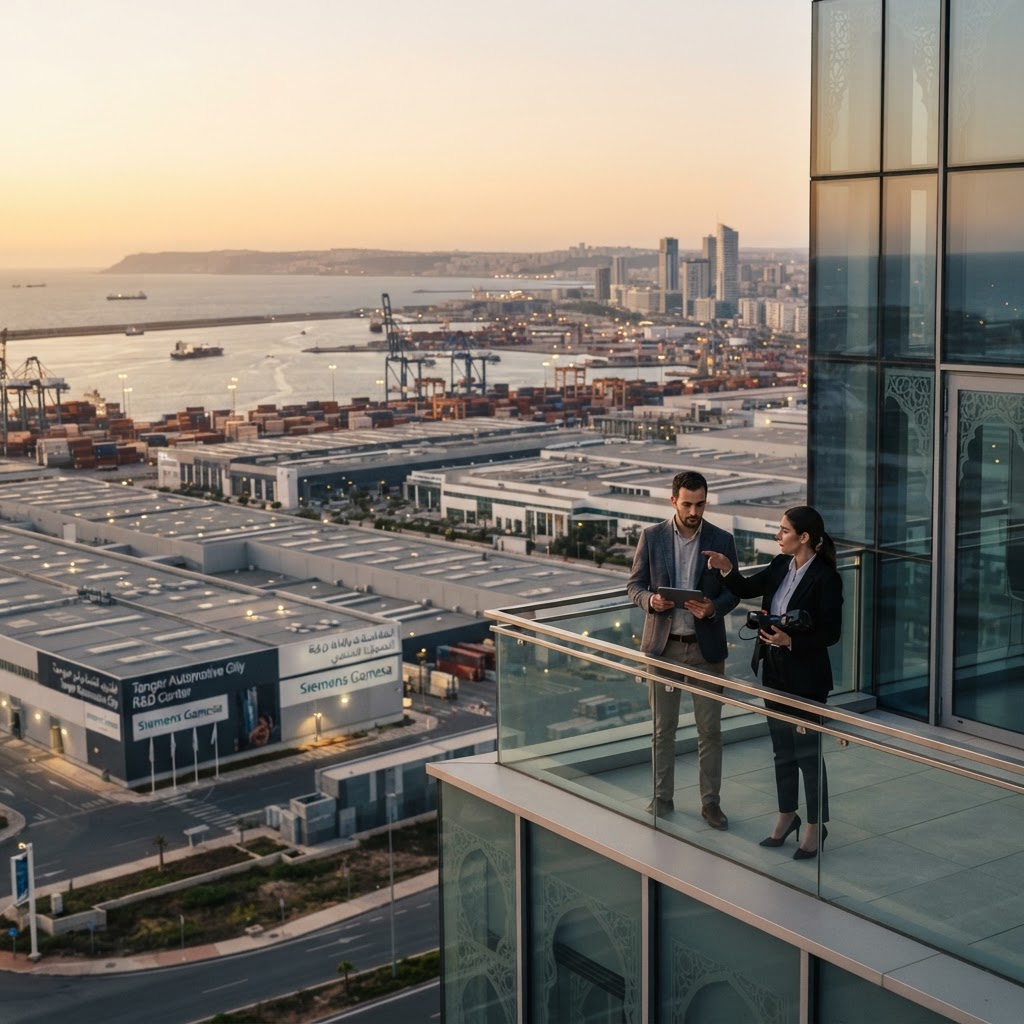
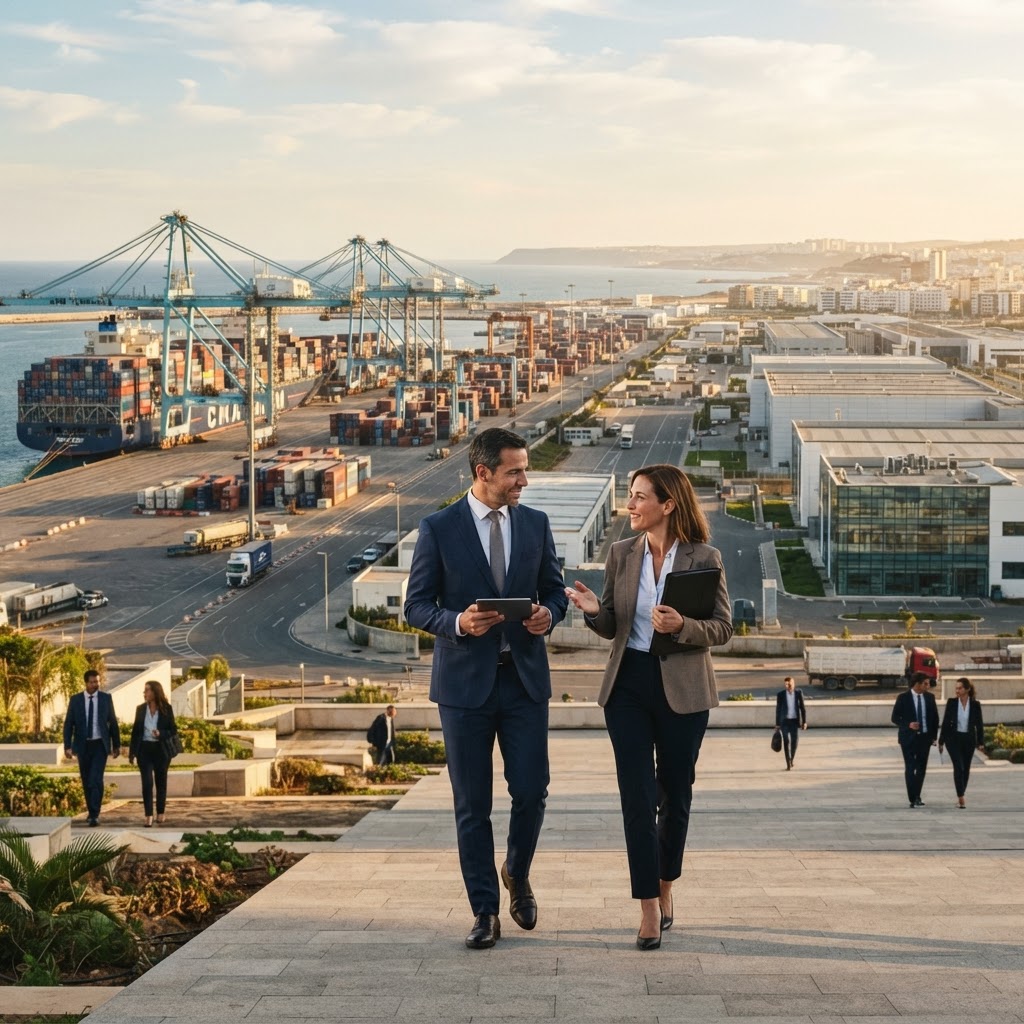
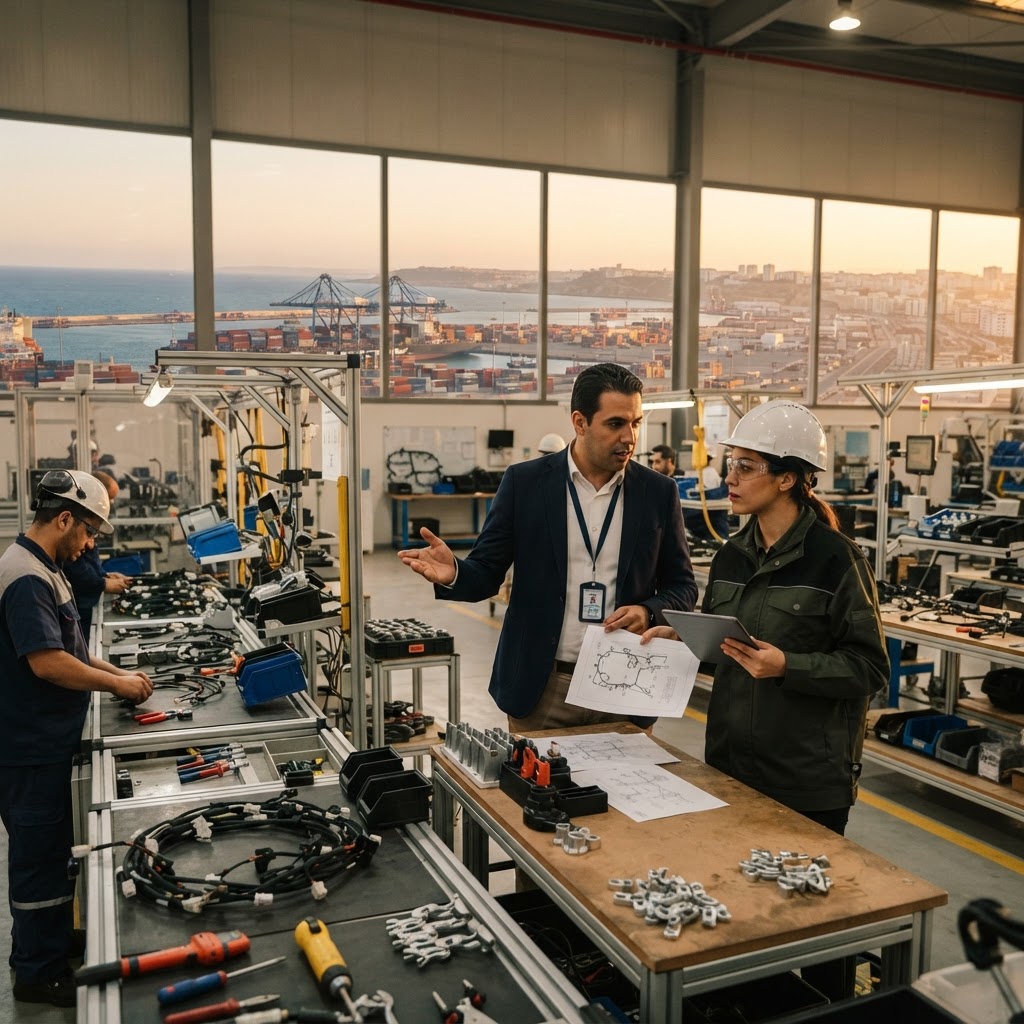
Morocco has rapidly evolved into a premier industrial hub, strategically positioned at the crossroads of Europe, Africa, and the Middle East. By leveraging its political stability, world-class infrastructure—such as the Tanger Med port—and a series of aggressive industrial acceleration strategies, the Kingdom has successfully transitioned from a traditional economy to a sophisticated manufacturing base. For foreign investors, the country offers a unique value proposition: proximity to major markets, competitive labor costs, and a robust ecosystem of industrial zones designed to facilitate export-oriented production.
As global supply chains undergo a period of reconfiguration, Morocco is increasingly viewed as a "nearshoring" destination for companies looking to diversify their manufacturing footprint. Whether through the expansion of existing automotive and aerospace clusters or the emergence of new sectors like green hydrogen and advanced electronics, the opportunities for local manufacturing are vast and supported by a modern regulatory framework.
Quick Answer
Products that can be manufactured locally in Morocco include automotive components (especially for electric vehicles), aerospace parts, pharmaceutical products, renewable energy equipment, and processed agricultural goods. The country is also actively expanding into high-tech sectors such as semiconductors, robotics, and smart devices to leverage its growing industrial infrastructure.
Market Overview
Morocco’s manufacturing sector has seen significant growth, with industry's contribution to GDP rising from 14% in 2014 to 23% by 2020 [6]. The government’s strategy focuses on "level-upgrading" activities, moving beyond basic assembly to higher value-added manufacturing [2]. This shift is supported by a network of over 150 industrial zones that provide the necessary logistics and utility infrastructure for large-scale operations [6].
Why It Matters to Investors
For international firms, Morocco offers a stable environment to mitigate supply chain risks. The country’s trade liberalization policies and preferential access to European and African markets make it an ideal export base. Furthermore, the 2025 Investment Climate Statement highlights that Morocco actively facilitates foreign investment through structural reforms and targeted incentives, aiming to boost employment and industrial output [4].
Key Opportunities
The Moroccan government has identified several priority sectors for local manufacturing:
- Automotive: Beyond vehicle assembly, there is a strong push for the manufacture of spare parts, components for electric motors, and pneumatic wheels [2].
- Aerospace: Opportunities exist in the production of ancillary equipment, aircraft engine parts, and maintenance services [2].
- Next-Generation Industries: This includes semiconductors, charging stations for EVs, smart meters, robotics, and 3D printing [2].
- Agro-Industry: High potential for animal feed, baby food, and nutritional supplements [2].
- Renewables: Manufacturing related to green hydrogen and renewable energy components is a major focus for the coming years [5].
Locations and Industrial Zones
Manufacturing activity is concentrated along the Casablanca-Tangier corridor, which hosts the majority of the country's industrial acceleration zones (IAZs) [10]. Key hubs include:
- Tanger Med: A world-class port and industrial complex serving as the primary gateway for exports.
- Casablanca-Settat: The economic heart of the country, hosting diverse manufacturing and service industries [8].
- Fes-Meknes: Increasingly relevant for agro-industrial and textile manufacturing [8].
Incentives and Regulations
The Moroccan Investment Charter provides a framework for incentives, which may include financial support for land acquisition, infrastructure development, and training programs. Investors are encouraged to review the specific regional programs that offer additional benefits for projects in less developed areas. For personalized guidance on navigating these incentives, you can submit an enquiry to our team.
Risks and Challenges
While the investment climate is favorable, investors should be aware of potential challenges, including:
- Energy Costs: While improving, energy costs remain a constraint for some manufacturing sub-sectors [10].
- Productivity Gaps: There remains a productivity gap in certain traditional manufacturing sectors compared to global benchmarks, necessitating investment in technology and workforce training [3].
- Regulatory Complexity: Although reforms have simplified business establishment, navigating local administrative procedures requires thorough due diligence [9].
Sources
This article draws on data and reports from the Moroccan Agency for Investment and Export Development (AMDIE), the OECD Economic Surveys (2024), the U.S. Department of State Investment Climate Statements (2025), and the International Finance Corporation (IFC).
Planning an Investment in Morocco?
InvestMorocco.ai supports investors, companies and project developers with market intelligence, feasibility, market entry, site selection, local partnerships, supplier sourcing and investment project support across Morocco.
Discuss your project: