Introduction
Morocco has firmly established itself as a premier investment destination in North Africa, characterized by political stability, a diversified economic base, and a strategic geographic position as a gateway to both Europe and the African continent. In recent years, the Kingdom has transitioned from a traditional agricultural economy to a sophisticated industrial hub, supported by massive infrastructure projects and a proactive regulatory environment designed to attract foreign direct investment (FDI).
For international investors, understanding the current growth trajectory of the Moroccan market is essential for identifying high-potential sectors. With real GDP growth reaching approximately 4.9% in 2025, the country is experiencing its fastest pace of expansion in over a decade, driven by robust industrial performance and strategic public investment. Whether you are exploring manufacturing, services, or green energy, the Moroccan landscape offers a compelling mix of competitive costs and global connectivity.
Quick Answer
The fastest-growing industries in Morocco include automotive manufacturing, aerospace, renewable energy (specifically green hydrogen), tourism, and the agro-food sector. These sectors are currently benefiting from significant government support, the new Investment Charter, and large-scale infrastructure developments linked to upcoming international events.
Market Overview
Morocco’s economic resilience is anchored by its manufacturing-oriented strategy. Unlike many of its neighbors, the Kingdom has successfully integrated into global value chains, particularly in the automotive sector, where it has become Africa’s largest producer. According to industry reports, the industrial sector saw a record surge in 2024, with industrial revenue reaching 898 billion dirhams and investment increasing by 30% compared to the previous year.
Why It Matters to Investors
The Moroccan government actively facilitates foreign investment through trade liberalization and structural reforms. The New Investment Charter provides a framework for incentives that can significantly reduce the cost of entry for large-scale projects. Furthermore, Morocco’s unique position—holding a Free Trade Agreement with the United States and advanced status with the European Union—makes it an ideal export platform for global companies looking to diversify their supply chains.
Key Growth Industries
Automotive and Aerospace
Morocco has cultivated world-class ecosystems for automotive and aerospace manufacturing. Major global players have established production facilities in the country, benefiting from a skilled workforce and proximity to European markets. These sectors continue to expand, with a focus on electric vehicle (EV) components and high-tech aerospace assembly.
Renewable Energy and Green Hydrogen
With a goal to reach 52% of total installed energy capacity from renewables by 2030, Morocco is a global leader in the green transition. The government has recently allocated one million hectares of land specifically for green hydrogen production, signaling a massive opportunity for investors in sustainable technology and energy infrastructure.
Tourism and Hospitality
Tourism remains a pillar of the economy, with record-breaking visitor numbers exceeding 14 million annually. The sector is currently undergoing a modernization phase, with significant investment flowing into luxury hospitality, eco-tourism, and infrastructure to support the 2030 FIFA World Cup preparations.
Agro-Food Industry
Leveraging its control over approximately 75% of the world’s phosphate reserves, Morocco is indispensable to global agriculture. The agro-food sector is growing as the country shifts toward higher value-added processing, moving beyond raw exports to finished food products.
Locations and Industrial Zones
Investment is concentrated in specialized industrial zones that offer plug-and-play infrastructure:
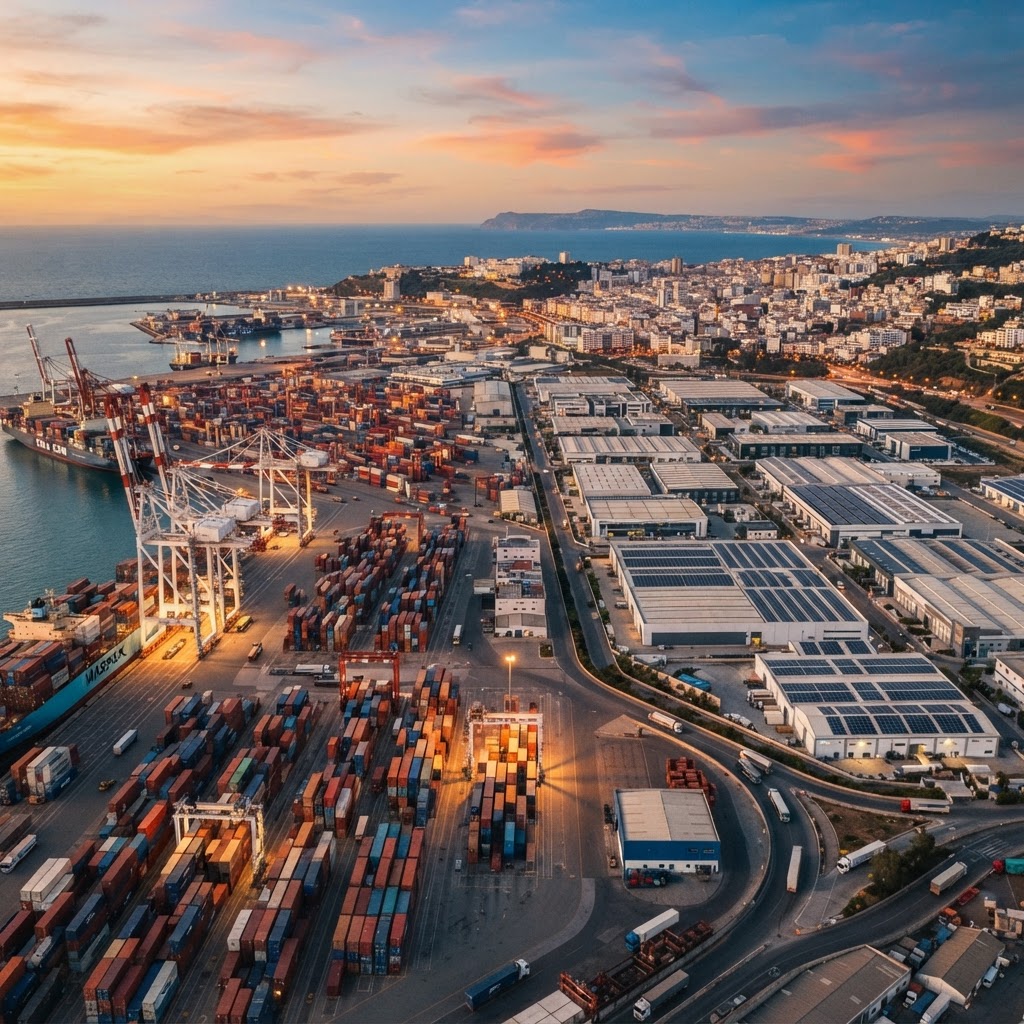
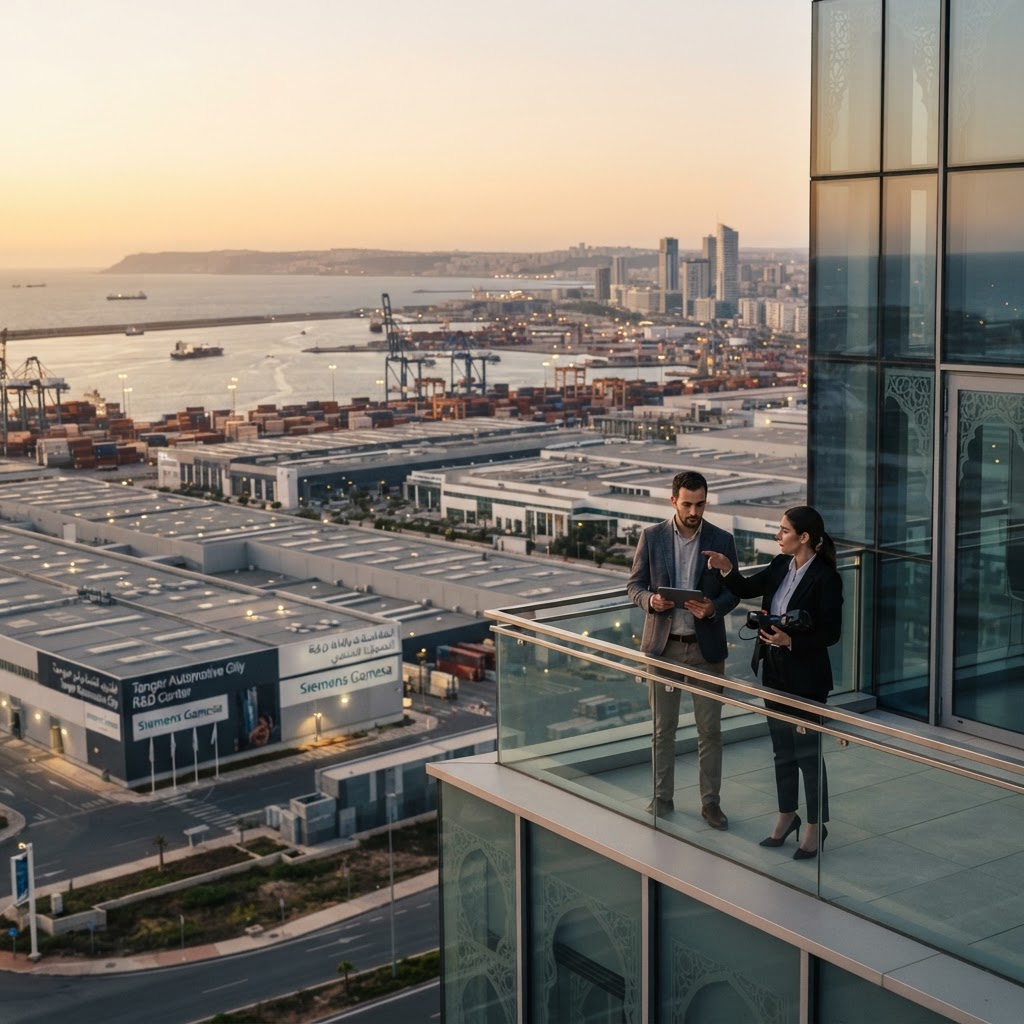
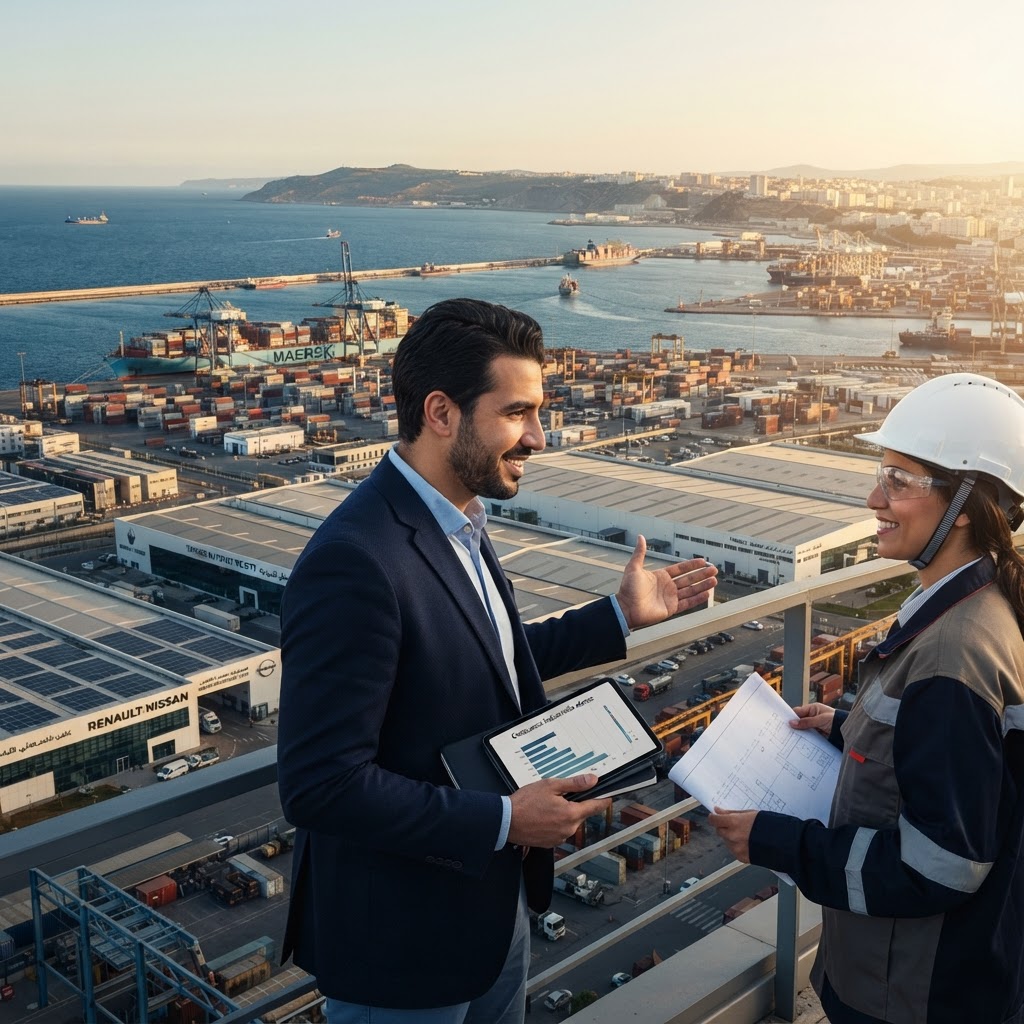
- Tangier: Home to the Tanger Med port, a global logistics hub essential for automotive and textile exports.
- Casablanca: The financial and industrial heart of the country, hosting major outsourcing and technology firms.
- Kenitra: A rapidly expanding hub for automotive manufacturing and industrial assembly.
Incentives and Regulations
The Investment Charter provides a range of incentives, including potential subsidies for land acquisition, training support, and tax exemptions for strategic projects. Investors are encouraged to consult with the InvestMorocco.ai team to evaluate how these incentives apply to specific project scopes. Regulations are generally pro-business, though investors should note that certain sectors, such as critical minerals and telecommunications, may be subject to specific oversight.
Risks and Challenges
While the outlook is positive, investors should account for potential challenges, including:
- Water Scarcity: Ongoing drought conditions require careful planning for water-intensive industries.
- Infrastructure Gap: While massive investments are underway, there remains an estimated $37 billion infrastructure investment gap that the government is actively seeking to close through public-private partnerships.
- Regulatory Complexity: Navigating local administrative procedures can be time-consuming, making local partnerships or expert guidance highly recommended.
Sources
This analysis is based on data from the OECD, World Bank, African Development Bank, U.S. Department of Commerce, and official reports from the Moroccan Ministry of Industry and Trade.
Planning an Investment in Morocco?
InvestMorocco.ai supports investors, companies and project developers with market intelligence, feasibility, market entry, site selection, local partnerships, supplier sourcing and investment project support across Morocco.
Discuss your project: