Introduction
Morocco has firmly established itself as a premier automotive manufacturing hub in Africa and a critical node in the global supply chain. With the automotive sector consistently ranking as the country’s leading industrial export sector, foreign investors are increasingly looking to capitalize on the nation's strategic proximity to Europe, robust infrastructure, and proactive government support. Choosing the right location is a foundational decision that impacts logistics, supply chain integration, and operational efficiency.
The Moroccan government has successfully implemented an industrial strategy that leverages specialized zones to attract foreign direct investment. As the industry shifts toward electric vehicle (EV) production and sustainable manufacturing, understanding the regional nuances of Morocco's industrial landscape is essential for any investor planning a long-term presence in the region.
Quick Answer
Tangier is widely considered the best city for automotive investment due to its proximity to the Tangier Med Port and the specialized Tangier Automotive City (TAC). However, Casablanca and Jorf Lasfar are increasingly competitive for specialized projects, particularly in the emerging electric vehicle battery and component manufacturing sectors.
Market Overview
Morocco’s automotive sector has seen rapid expansion, with production capacity reaching hundreds of thousands of vehicles annually. According to government data, the sector generated approximately $14 billion in exports in 2023, marking a significant year-over-year increase. The industry is supported by a dense cluster of global manufacturers, including Renault and Stellantis, alongside a growing network of Tier 1 and Tier 2 suppliers.
Why It Matters to Investors
For automotive investors, Morocco offers a unique value proposition: a stable regulatory environment, competitive labor costs, and seamless access to European markets. With roughly 95% of car exports destined for Europe, the ability to move goods quickly is paramount. The country’s commitment to green mobility and the transition toward EV battery production provides a long-term growth trajectory for new entrants.
Key Locations for Automotive Investment
Tangier: The Logistics Powerhouse
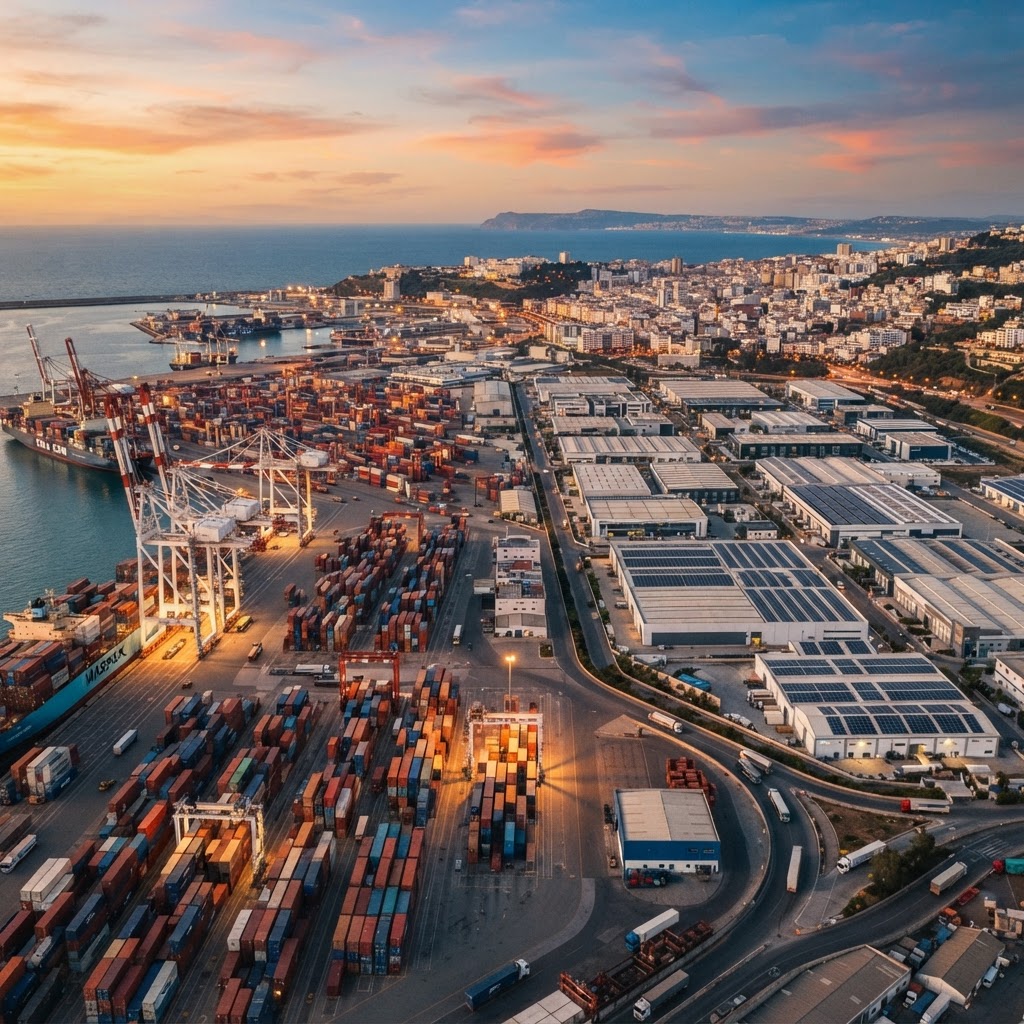
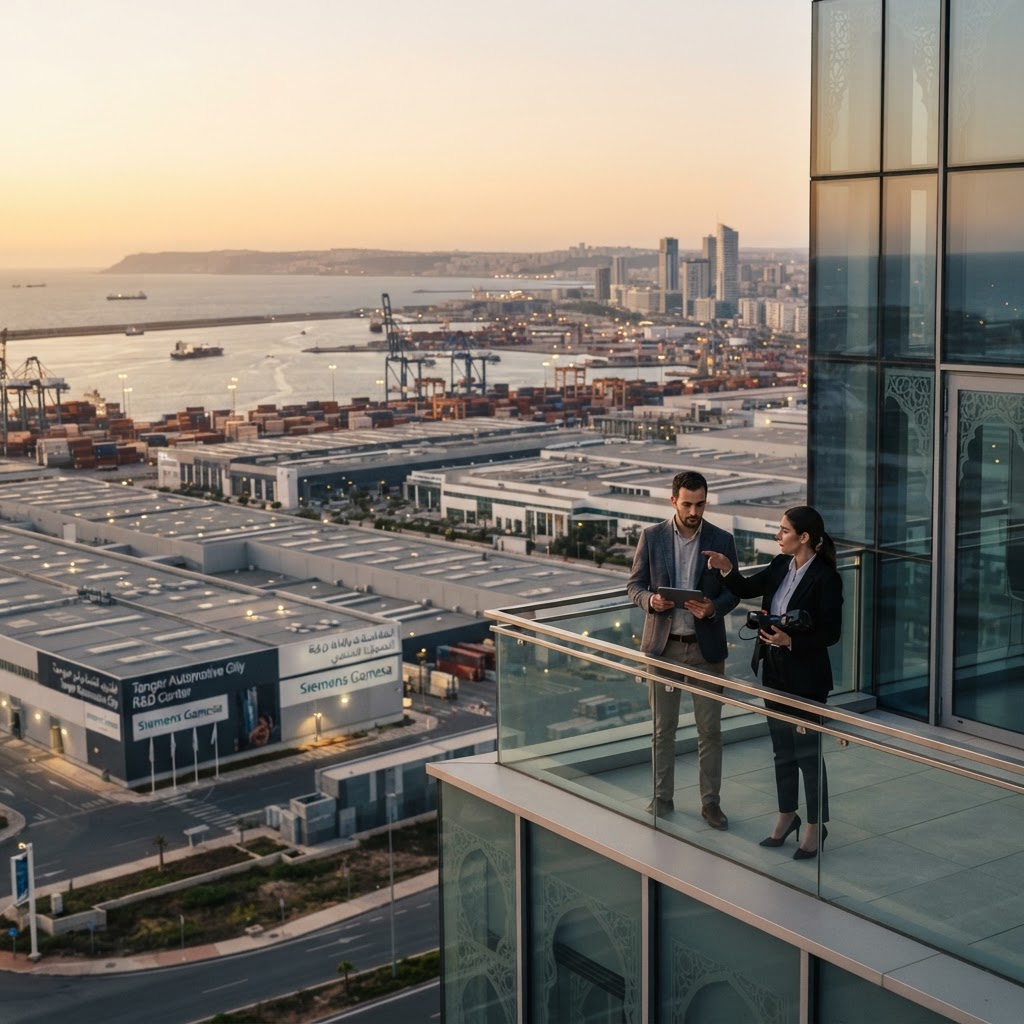
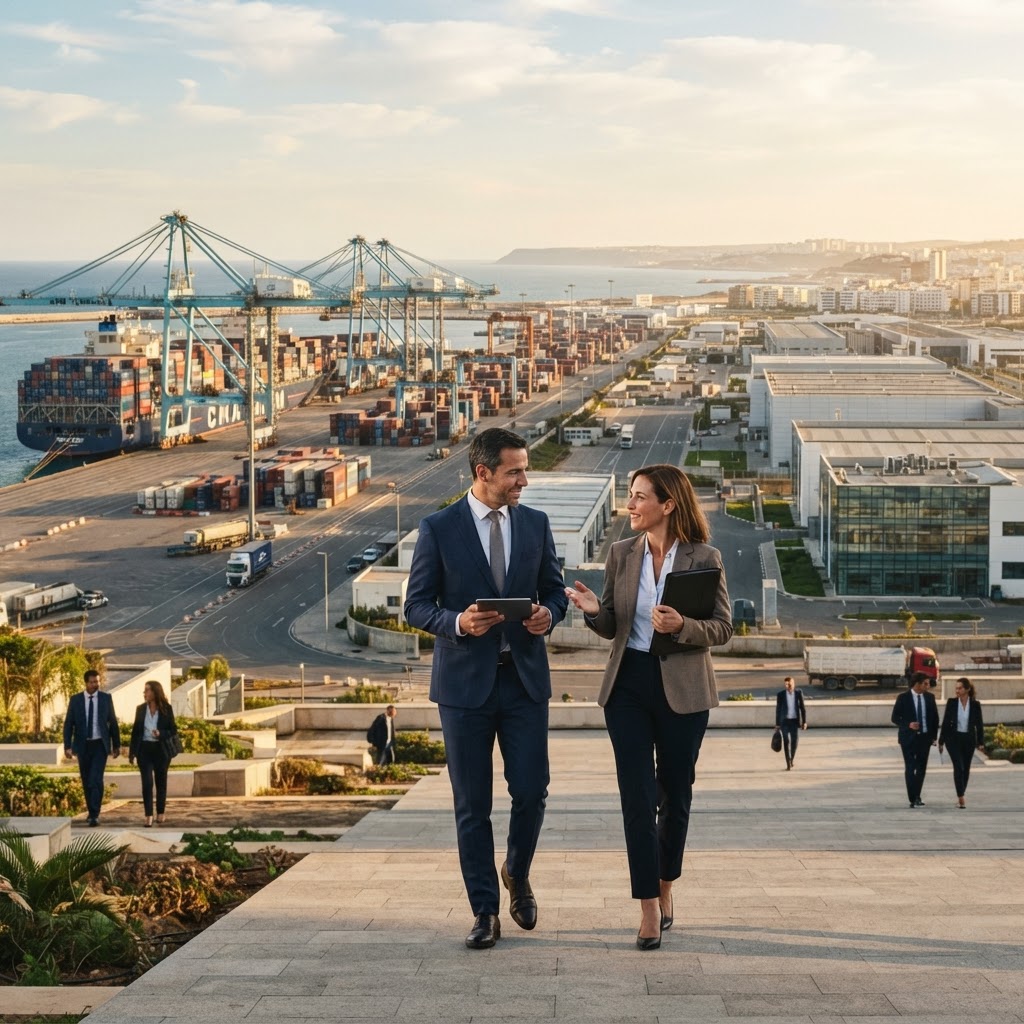
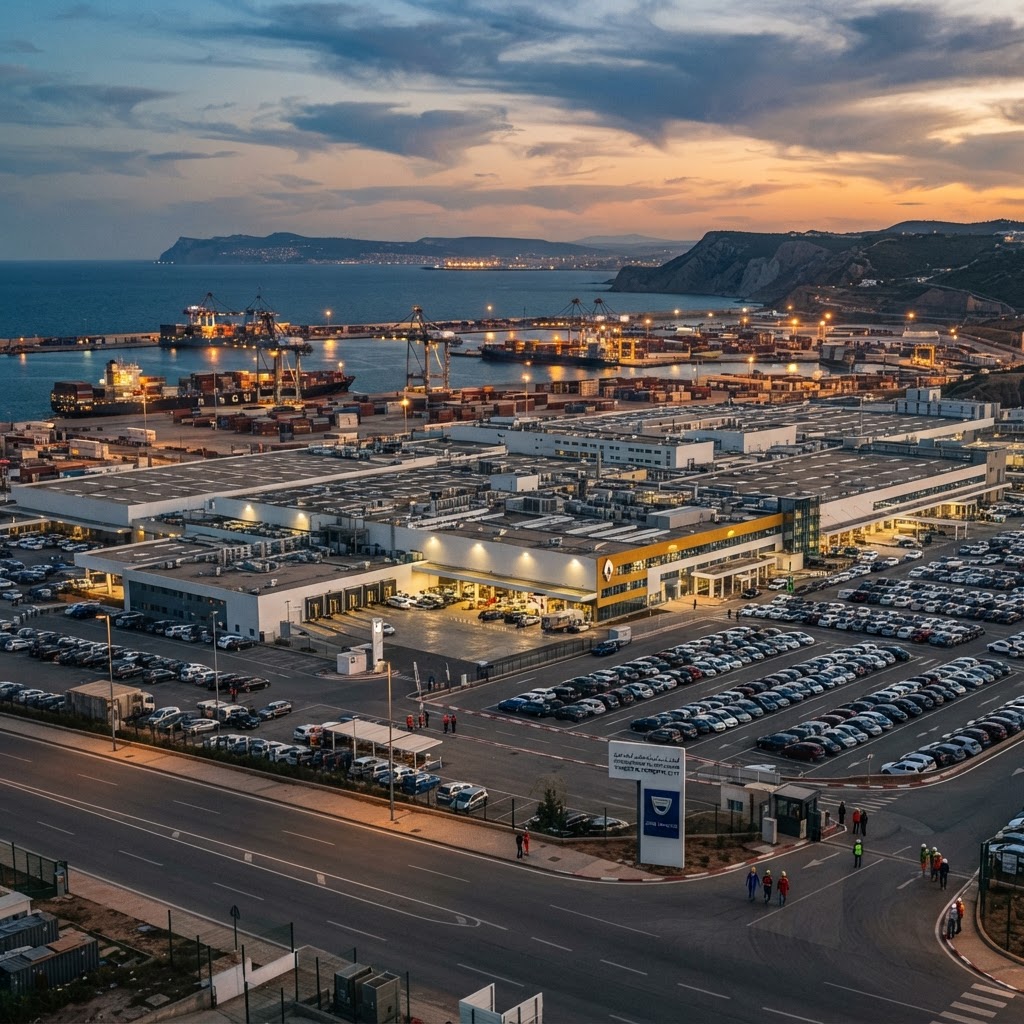
Tangier remains the primary destination for automotive assembly and component manufacturing. The Tangier Automotive City (TAC), an Industrial Acceleration Zone, provides a plug-and-play environment for investors. Its proximity to the Tangier Med Port allows for truck deliveries to Northern Europe in under 48 hours, a critical advantage for just-in-time manufacturing.
Casablanca and Jorf Lasfar: The Emerging Battery Hubs
While Tangier dominates assembly, the region south of Casablanca, particularly Jorf Lasfar, is emerging as a strategic hub for the EV battery supply chain. The government has allocated significant land in these areas to accommodate large-scale industrial projects, including cathode production facilities, to support the global shift toward electric mobility.
Ecosystem and Infrastructure
Morocco boasts over 150 industrial zones covering more than 12,000 hectares. These zones are designed to provide comprehensive support services, including reliable energy, water, and telecommunications. The integration of Industrial Acceleration Zones (IAZs) allows companies to benefit from simplified customs procedures and tax advantages, which are vital for export-oriented automotive businesses.
Incentives and Regulations
The 2026 Investment Charter (Law 03-22) serves as the cornerstone for modern investment in Morocco. It offers a framework for potential grants that may cover up to 30% of the total investment amount for eligible projects. Investors should note that incentives are subject to specific criteria, including job creation, regional development, and technological transfer. For detailed guidance on navigating these incentives, you may visit our enquiry page.
Risks and Challenges
While the environment is pro-business, investors must account for potential challenges such as the complexity of local administrative procedures, the need for specialized workforce training, and the volatility of global supply chains. Conducting thorough due diligence and engaging with local partners is highly recommended to mitigate these risks.
Investor Considerations
When evaluating a city for investment, consider the following:
- Logistics: Distance to major ports and motorway connectivity.
- Supply Chain: Proximity to existing Tier 1 and Tier 2 suppliers.
- Workforce: Availability of technical talent and proximity to vocational training centers.
- Incentives: Alignment of your project with regional development goals.
Sources
- AMDIE (Moroccan Agency for Investment and Export Development)
- Morocco Now
- World Bank
- OECD
- Ministry of Industry and Trade
- Bank Al-Maghrib
Planning an Investment in Morocco?
InvestMorocco.ai supports investors, companies and project developers with market intelligence, feasibility, market entry, site selection, local partnerships, supplier sourcing and investment project support across Morocco.
Discuss your project: