Introduction
Morocco has emerged as a premier industrial hub in North Africa, driven by strategic geographic positioning, robust infrastructure, and a proactive government commitment to industrialization. For foreign investors, the question of where to build a factory is not merely about real estate; it is about aligning operational requirements with the country’s specialized industrial ecosystems. Whether your focus is on automotive, aerospace, textiles, or renewable energy, Morocco offers a structured environment designed to facilitate rapid market entry and long-term scalability.
The country’s industrial strategy, supported by the New Investment Charter, emphasizes the creation of high-value-added ecosystems. By leveraging over 150 sector-specific industrial zones, investors can benefit from shared infrastructure, proximity to logistics hubs, and a workforce trained through vocational programs tailored to specific industrial needs.
Quick Answer
The ideal location for your factory depends on your specific industry and logistics requirements. Generally, the Tangier-Tetouan-Al Hoceima region is preferred for automotive and export-oriented manufacturing due to its proximity to Europe, while Casablanca-Settat remains the primary hub for diverse industrial activities and domestic market access.
Market Overview
Morocco’s industrial sector has seen significant growth, with industry’s contribution to GDP rising from 14% in 2014 to 23% by 2020, according to World Bank data. This growth is underpinned by the Industrial Acceleration Plan (PAI), which focuses on creating competitive ecosystems that link large-scale foreign firms with local SMEs. The government continues to invest heavily in industrial land development, ensuring that businesses have access to fully equipped, world-class facilities.
Why It Matters to Investors
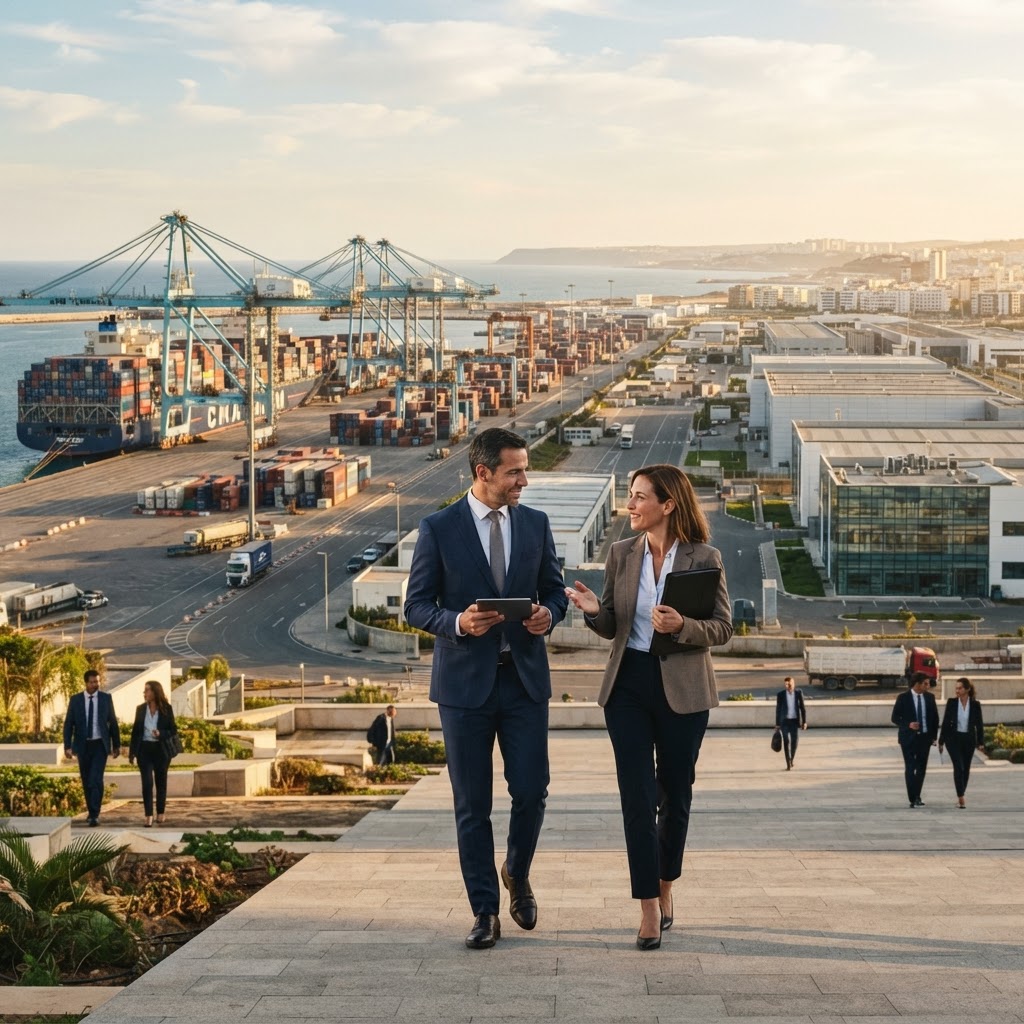
Choosing the right location is critical for optimizing supply chain costs and accessing talent. Industrial zones in Morocco are designed to lower operational expenses by providing shared services, such as wastewater treatment, energy-efficient infrastructure, and proximity to major ports and highways. Furthermore, clustering in specialized zones allows companies to benefit from existing supplier networks and research institutions.
Key Industrial Locations
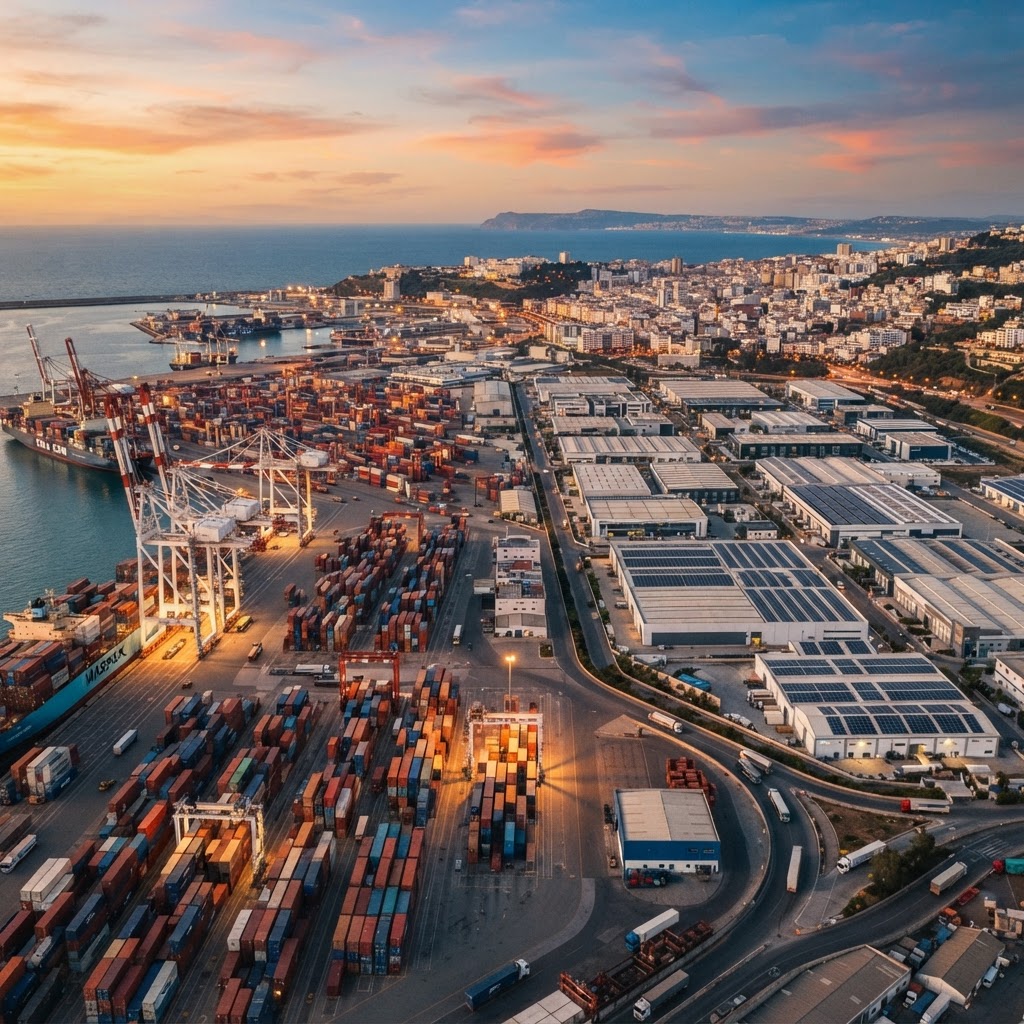
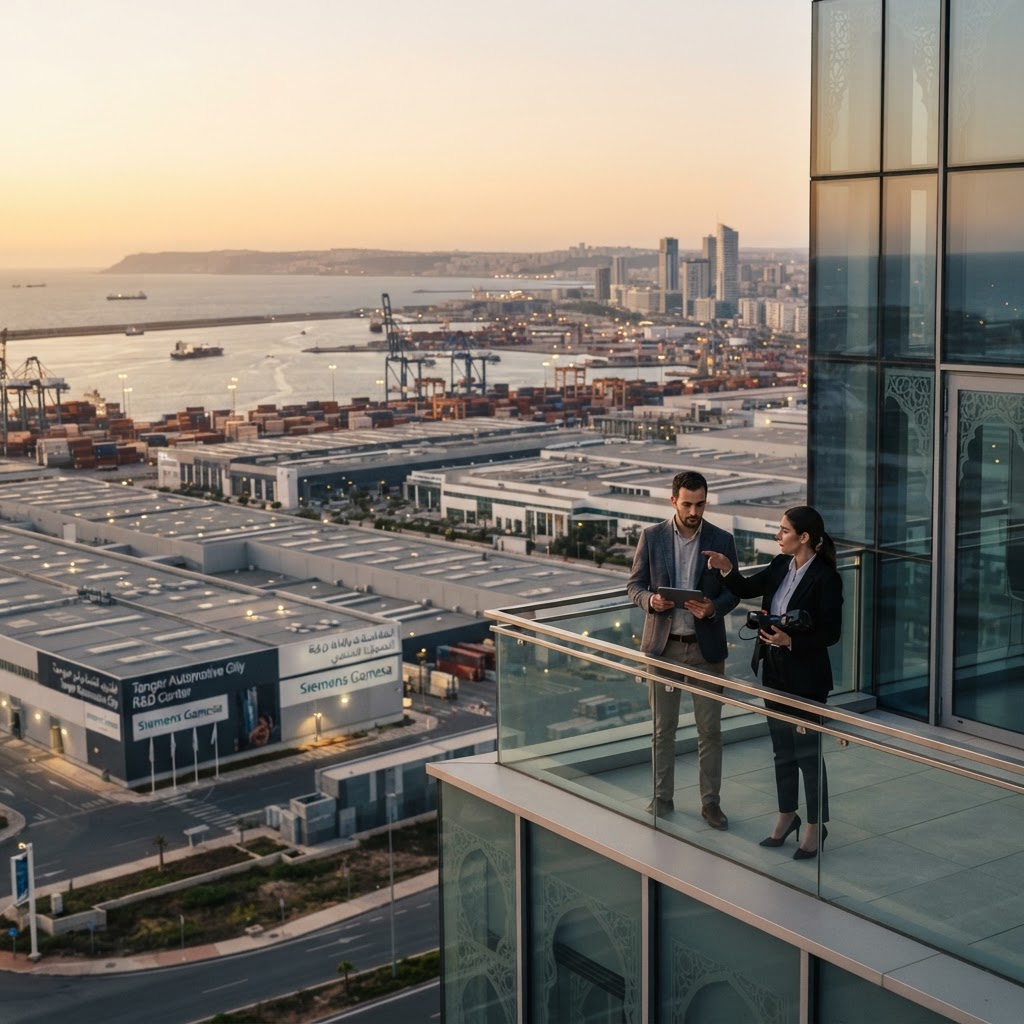
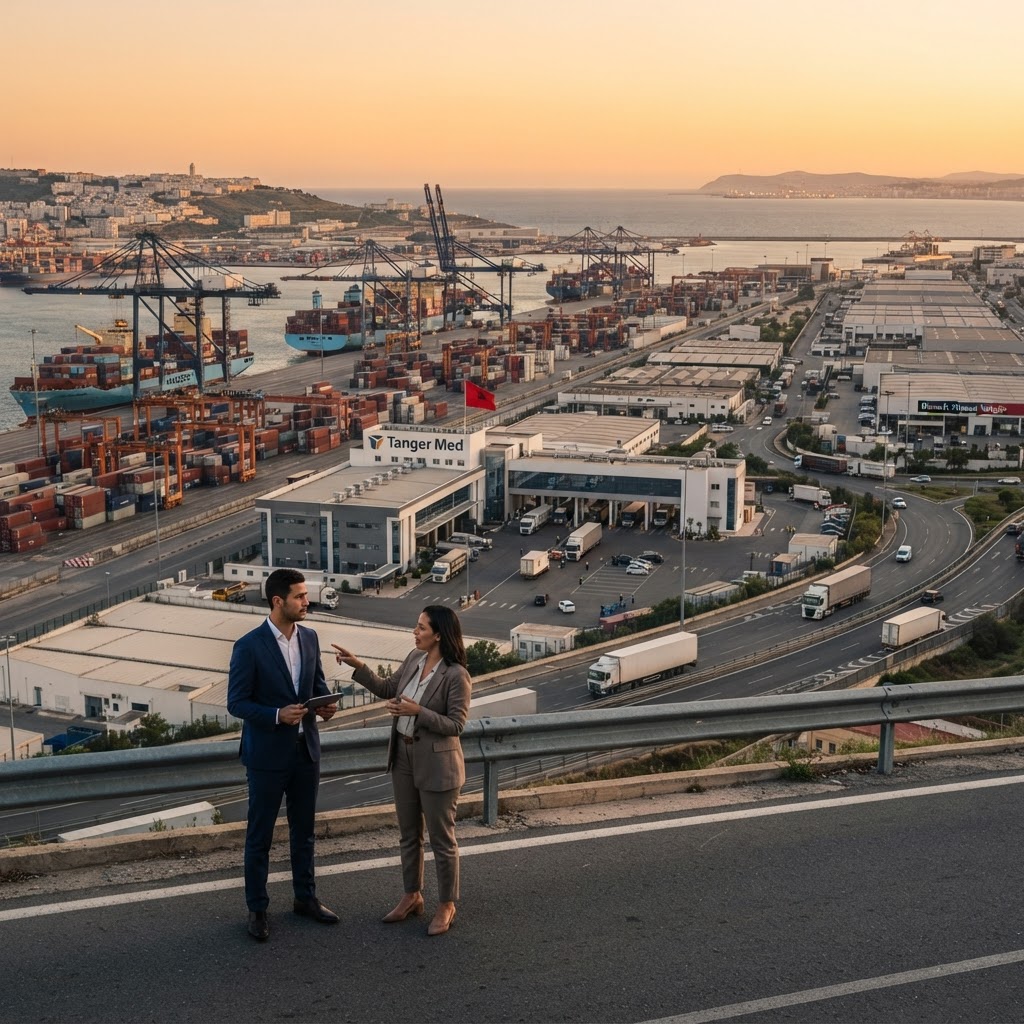
- Tangier-Tetouan-Al Hoceima: Home to the Tangier Automotive City (TAC) and Tanger Free Zone. This region is the gateway to Europe and is ideal for automotive, aerospace, and logistics-heavy industries.
- Casablanca-Settat: The economic heart of the country. It offers the most mature industrial ecosystem, making it suitable for a wide range of manufacturing, consumer goods, and technology-driven projects.
- Oriental Region (Nador): With the development of the Nador West Med complex, this region is becoming a strategic hub for logistics and greenfield industrial projects, supported by significant international investment.
- Souss-Massa (Agadir): Increasingly relevant for agro-industry and manufacturing, with dedicated zones like the Tiznit Industrial Zone providing opportunities for regional expansion.
Infrastructure and Ecosystem
Morocco’s infrastructure is among the most advanced in Africa. Investors benefit from a network of highways, high-capacity ports like Tanger Med and Nador West Med, and modern energy grids. Industrial zones are often managed through public-private partnerships, ensuring that maintenance and service standards remain high. These zones frequently include vocational training centers, ensuring that the local workforce is equipped with the technical skills required for modern manufacturing.
Incentives and Regulations
The New Investment Charter provides a framework for significant subsidies and tax exemptions, particularly for projects that contribute to job creation and sustainable development. Companies operating within designated Industrial Acceleration Zones (formerly Free Zones) may benefit from preferential corporate tax rates, such as 0% for the first five years, followed by a capped rate thereafter. Investors are encouraged to consult with the Regional Investment Centers (CRI) to understand the specific incentives applicable to their project size and sector.
Investor Considerations
When evaluating a site, consider the following factors:
- Logistics: Proximity to ports, airports, and the national highway network.
- Workforce: Availability of specialized labor in the region and access to local vocational training institutes.
- Utilities: Reliability of power, water, and telecommunications infrastructure within the specific zone.
- Regulatory Compliance: Understanding the specific requirements for environmental permits and labor laws.
For personalized guidance on site selection and regulatory navigation, you can submit an enquiry to our team.
Sources
- AMDIE (Moroccan Agency for Investment and Export Development)
- World Bank (Industrial sector growth data)
- Ministry of Industry and Trade (Industrial zones documentation)
- EBRD (Nador West Med project reports)
- InvestMorocco.ai (Regional guides for Casablanca and Rabat)
Planning an Investment in Morocco?
InvestMorocco.ai supports investors, companies and project developers with market intelligence, feasibility, market entry, site selection, local partnerships, supplier sourcing and investment project support across Morocco.
Discuss your project: