Introduction
Morocco has rapidly evolved into a premier logistics gateway, bridging the gap between European markets, the Atlantic trade routes, and the burgeoning African continent. For international investors, the country offers more than just a strategic geographic position; it provides a sophisticated, integrated industrial ecosystem designed to facilitate global supply chains. As Morocco continues to scale its infrastructure, selecting the right location for a logistics hub is a critical decision that hinges on specific industry requirements, export-import orientation, and proximity to key industrial clusters.
The Moroccan government, through initiatives like the Industrial Acceleration Plan and the national logistics strategy, has prioritized the development of multi-flow logistics zones. These zones are designed to reduce logistics costs as a percentage of GDP and enhance the country's competitiveness in sectors ranging from automotive and aerospace to agribusiness and renewable energy.
Quick Answer
The optimal location for a logistics hub in Morocco depends on your primary trade corridor: Tanger Med is the superior choice for Mediterranean and European-facing operations, while Casablanca remains the central hub for domestic distribution and national market access. Emerging regions like Kenitra and Nador West Med offer specialized opportunities for automotive and industrial-scale logistics, respectively.
Market Overview
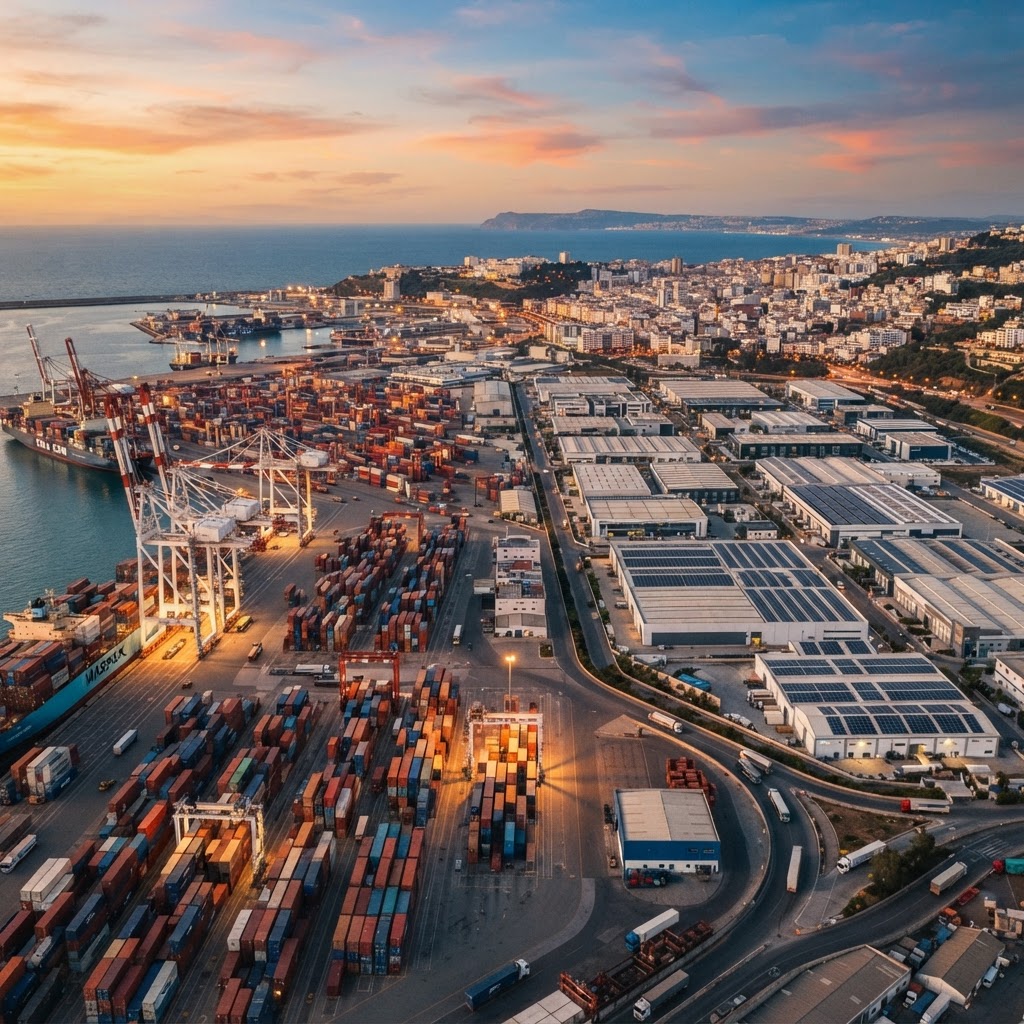
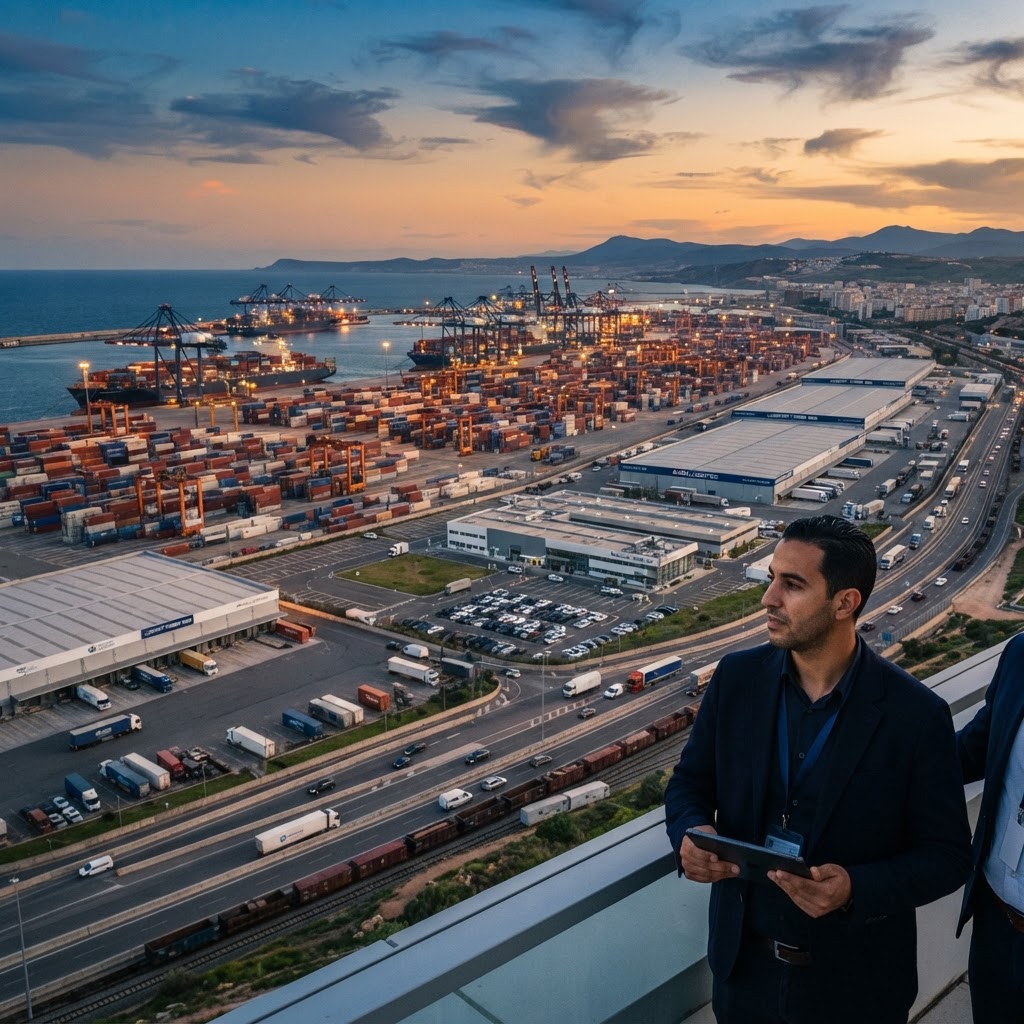
Morocco’s logistics sector is characterized by a transition from traditional warehousing to integrated, value-added logistics platforms. According to industry reports, the country has invested heavily in world-class infrastructure, including over 1,800 km of highways and the expansion of major port facilities like Tanger Med, which has become one of the largest container ports in Africa. The strategy is to combine industrial zones with logistics platforms to create seamless "plug-and-play" environments for foreign investors.
Why It Matters to Investors
For businesses looking to optimize their supply chain, Morocco offers a unique value proposition: the ability to serve the European market with short lead times while simultaneously acting as a launchpad for African expansion. The integration of free trade zones and industrial parks allows for significant tax and customs advantages, which are essential for maintaining competitive margins in global manufacturing and distribution.
Strategic Locations
- Tanger Med (North): The anchor asset for international trade. It is ideal for companies requiring direct access to global maritime routes and proximity to the European market. The surrounding logistics zones host major global players in automotive and electronics.
- Casablanca (Central): The economic heart of the country. It is the best location for companies focused on the domestic Moroccan market, retail distribution, and those requiring proximity to the largest airport hub in the region.
- Kenitra (Atlantic Coast): A rapidly growing industrial hub, particularly for the automotive sector. Recent developments, such as the Oulad Bourahma platform, highlight the region's focus on supporting large-scale industrial manufacturing.
- Nador West Med (East): An emerging strategic site designed to balance regional development and provide a new gateway for the Mediterranean, currently undergoing significant infrastructure investment.
Infrastructure and Ecosystem
Morocco’s logistics ecosystem is supported by a robust network of highways, rail links, and specialized industrial parks. The National Office of Railways (ONCF) and various port authorities work in tandem to ensure climate-resilient and efficient transport. Investors benefit from "integrated zones" where logistics, warehousing, and light manufacturing coexist, often supported by specialized training institutes that provide a skilled workforce tailored to industrial needs.
Costs and Incentives
Logistics costs in Morocco are subject to variables such as land lease rates, energy consumption, and proximity to major transport arteries. While specific pricing is negotiated on a case-by-case basis, the government provides a framework of incentives under the Investment Charter. These may include:
- Exemptions or reductions in corporate tax for export-oriented activities.
- Subsidies for land acquisition in specific industrial zones.
- Customs duty exemptions for raw materials and equipment imported for processing.
Risks and Challenges
While the business environment is stable, investors should conduct thorough due diligence regarding regulatory compliance, local labor laws, and the specific infrastructure readiness of a chosen site. As with any emerging market, navigating the administrative landscape requires local expertise to ensure that project timelines remain on track.
Investor Considerations
When evaluating where to locate, consider the following:
- Export vs. Domestic: Are you serving the European market (Tanger Med) or the Moroccan consumer (Casablanca)?
- Sector Synergy: Are you looking to be near existing automotive clusters (Kenitra) or agricultural processing zones (Agropolis)?
- Scalability: Does the site offer room for future expansion as your operations grow?
Sources
- Moroccan Agency for Logistics Development (AMDL)
- Tanger Med Port Authority
- Ministry of Industry and Trade
- World Bank (Infrastructure Data)
- OECD Investment Policy Reviews
Planning an Investment in Morocco?
InvestMorocco.ai supports investors, companies and project developers with market intelligence, feasibility, market entry, site selection, local partnerships, supplier sourcing and investment project support across Morocco.
Discuss your project: