Introduction
Morocco has undergone a significant economic transformation over the past two decades, shifting from a consumer-based economy to a regional industrial powerhouse. As the Kingdom continues to integrate into global value chains, the government is actively prioritizing import-substitution strategies to reduce trade deficits, enhance local value-added production, and bolster economic sovereignty. For foreign investors, this shift represents a strategic entry point into a market that is increasingly focused on domestic manufacturing and industrial autonomy.
By leveraging its proximity to European markets and its robust network of free trade agreements, Morocco is creating a fertile environment for businesses that can replace imported finished goods or components with locally manufactured alternatives. This transition is supported by a comprehensive national industrial strategy that incentivizes the localization of supply chains, particularly in high-growth sectors.
Quick Answer
Sectors offering the strongest import-substitution opportunities in Morocco include automotive components, green energy equipment, pharmaceutical manufacturing, and agro-food processing. These areas are prioritized by the government to reduce reliance on foreign imports, increase local content rates, and capitalize on the Kingdom's growing industrial infrastructure.
Market Overview
Morocco’s industrial landscape is defined by its ambition to move up the value chain. According to the U.S. Department of State (2023), the government actively facilitates investment in value-added industries such as automotive, aerospace, textiles, and pharmaceuticals. The country has successfully transitioned into a major manufacturing hub, with the automotive sector alone achieving a local content sourcing rate of 64% as of 2023 Business Sweden, 2024.
Why It Matters to Investors
Import substitution is not merely a policy goal; it is a business imperative for Morocco. By producing locally, investors can mitigate supply chain disruptions, reduce logistics costs associated with importing, and benefit from the "Morocco Offer," which provides significant financial and regulatory support. Furthermore, local production allows companies to better serve the domestic market while using Morocco as an export platform for the broader African and European markets.
Key Opportunities
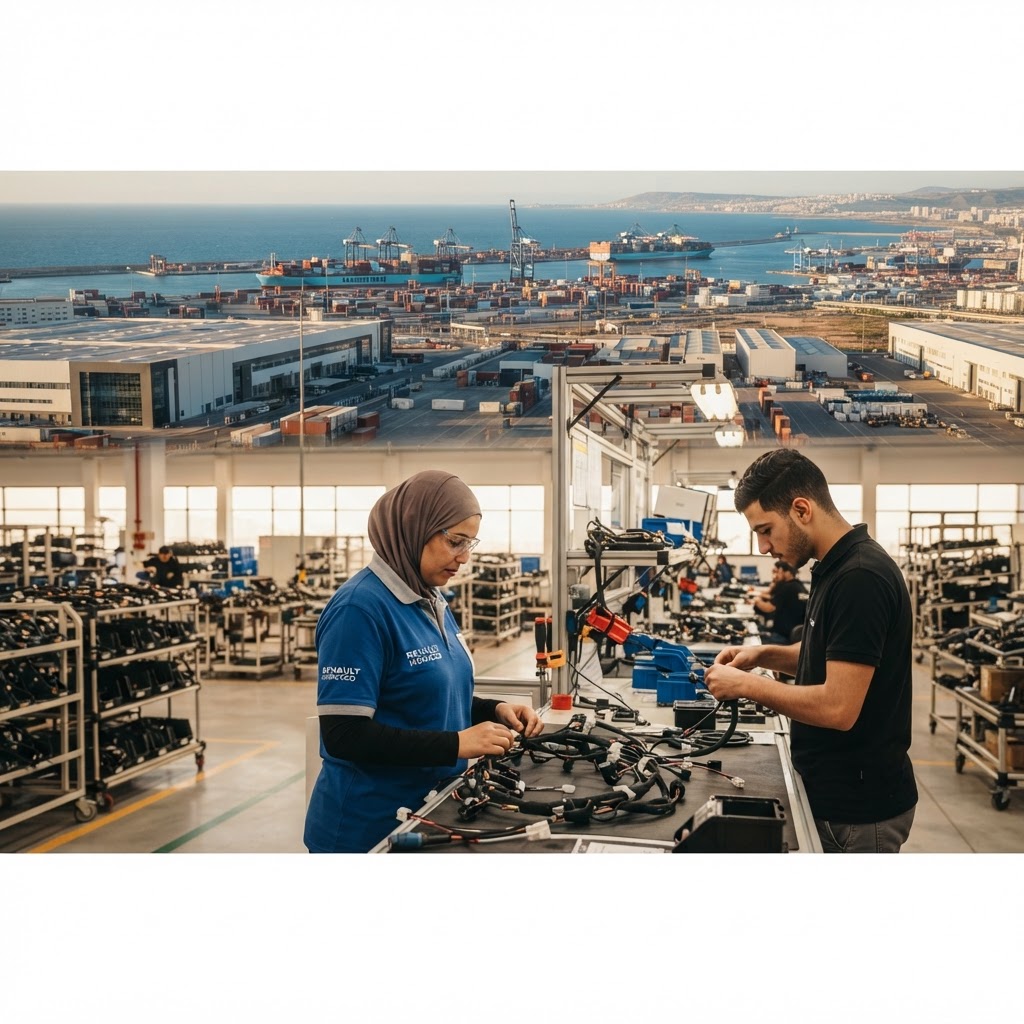
- Automotive Components: While vehicle assembly is well-established, there is a growing demand for local production of electronic sub-assemblies, wiring, and specialized components to further increase local content rates.
- Green Energy & Hydrogen: With massive investments in renewable energy, there is a burgeoning need for local manufacturing of solar panels, wind turbine components, and electrolyzers for green hydrogen production UNCTAD, 2026.
- Pharmaceuticals: The government is prioritizing the local production of essential medicines and vaccines to ensure health security, creating opportunities for contract manufacturing and generic drug production.
- Agro-Food Processing: Morocco seeks to move beyond raw agricultural exports by investing in high-value processing, packaging, and preservation technologies to serve both domestic and international demand.
Locations and Industrial Zones
Investment is concentrated in specialized industrial zones that offer world-class infrastructure. Key hubs include:
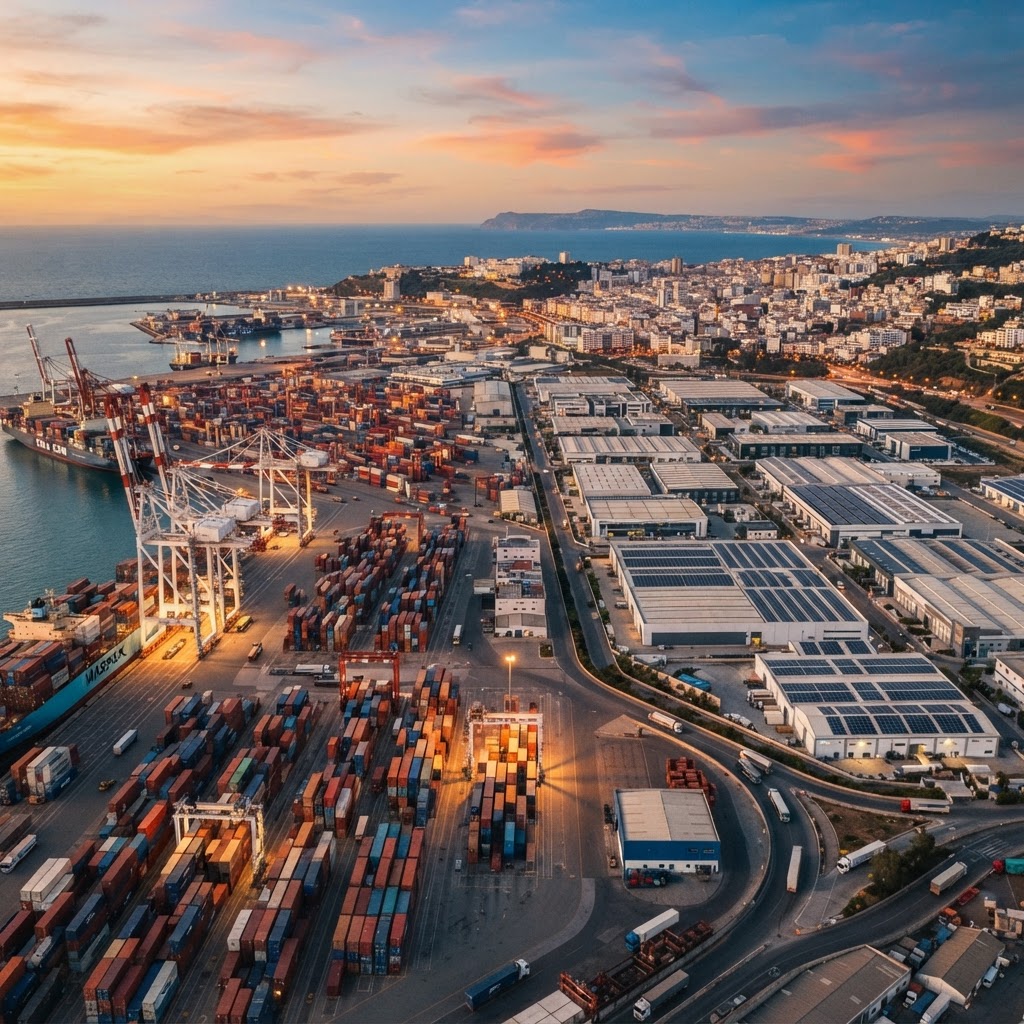
- Tangier Med: A global logistics and industrial hub, ideal for export-oriented manufacturing.
- Casablanca (Midparc/Zenata): The primary commercial center, hosting significant aerospace and industrial clusters.
- Kenitra: A rapidly growing automotive hub hosting major global OEMs and their suppliers.
- Agadir & Souss-Massa: Key regions for agro-food processing and renewable energy projects.
Incentives and Support
The Moroccan government provides a robust framework for investors under the new Investment Charter. Incentives may include:
- Subsidies covering up to 30% of total investment costs for strategic projects.
- Customs and tax exemptions for imported capital goods.
- Land allocation support in industrial zones.
- Regional investment grants for projects outside the main urban centers.
Risks and Challenges
While the environment is pro-business, investors should be aware of potential challenges, including:
- Regulatory Complexity: Navigating administrative procedures requires local expertise.
- Workforce Skills: While the labor force is young, specialized technical training is required for high-tech manufacturing.
- Water Scarcity: Persistent drought conditions, as noted by the U.S. Trade.gov (2024), necessitate careful planning for water-intensive industrial processes.
Investor Considerations
Before committing capital, investors should conduct a thorough feasibility study, assess local supply chain availability, and engage with local partners. For personalized guidance on navigating these opportunities, visit our enquiry page to connect with our expert team.
Sources
- AMDIE (Moroccan Agency for Investment and Export Development)
- Morocco Now
- HCP (High Commission for Planning)
- Bank Al-Maghrib
- Office des Changes
- World Bank (Country Private Sector Diagnostic)
- OECD
- U.S. Department of State (Investment Climate Statements)
Planning an Investment in Morocco?
InvestMorocco.ai supports investors, companies and project developers with market intelligence, feasibility, market entry, site selection, local partnerships, supplier sourcing and investment project support across Morocco.
Discuss your project: