Introduction
Morocco has strategically positioned itself as a premier gateway between Europe, Sub-Saharan Africa, and the Middle East. By leveraging its political stability, world-class infrastructure, and a series of structural economic reforms, the Kingdom has transformed into a competitive regional manufacturing and export hub. For international investors, Morocco represents a stable environment characterized by a commitment to trade liberalization and the modernization of its legal frameworks.
The country’s economic trajectory is currently guided by the New Development Model, which emphasizes sustainable and inclusive growth. This vision is supported by the 2022 Investment Charter, a cornerstone policy designed to streamline the business environment and provide robust incentives for both domestic and foreign capital. As global supply chains shift, Morocco’s proximity to major markets and its integration into global trade networks make it an increasingly relevant destination for diversified investment portfolios.
Quick Answer
The investment climate in Morocco is highly favorable, defined by political stability, strategic geographic positioning, and a proactive government agenda to attract foreign direct investment (FDI). Investors benefit from a modernized legal framework, extensive free trade agreements, and significant infrastructure development, though success requires navigating specific regulatory requirements and sector-specific screening processes.
Market Overview
Morocco’s economy has demonstrated resilience and a clear focus on industrialization. According to the 2024 OECD Investment Policy Review, the country has resolutely focused on modernizing its investment laws to foster a secure and attractive destination for international capital. The economy is supported by a network of 12 free trade agreements, providing preferential access to approximately 100 countries and a consumer base of over 2.5 billion people.
While FDI inflows can fluctuate—as noted in the 2025 U.S. Department of State Investment Climate Statement, which recorded $1.1 billion in 2023—the underlying fundamentals remain strong. The government continues to prioritize high-growth sectors, including renewable energy, automotive manufacturing, aerospace, and digital infrastructure.
Why It Matters to Investors
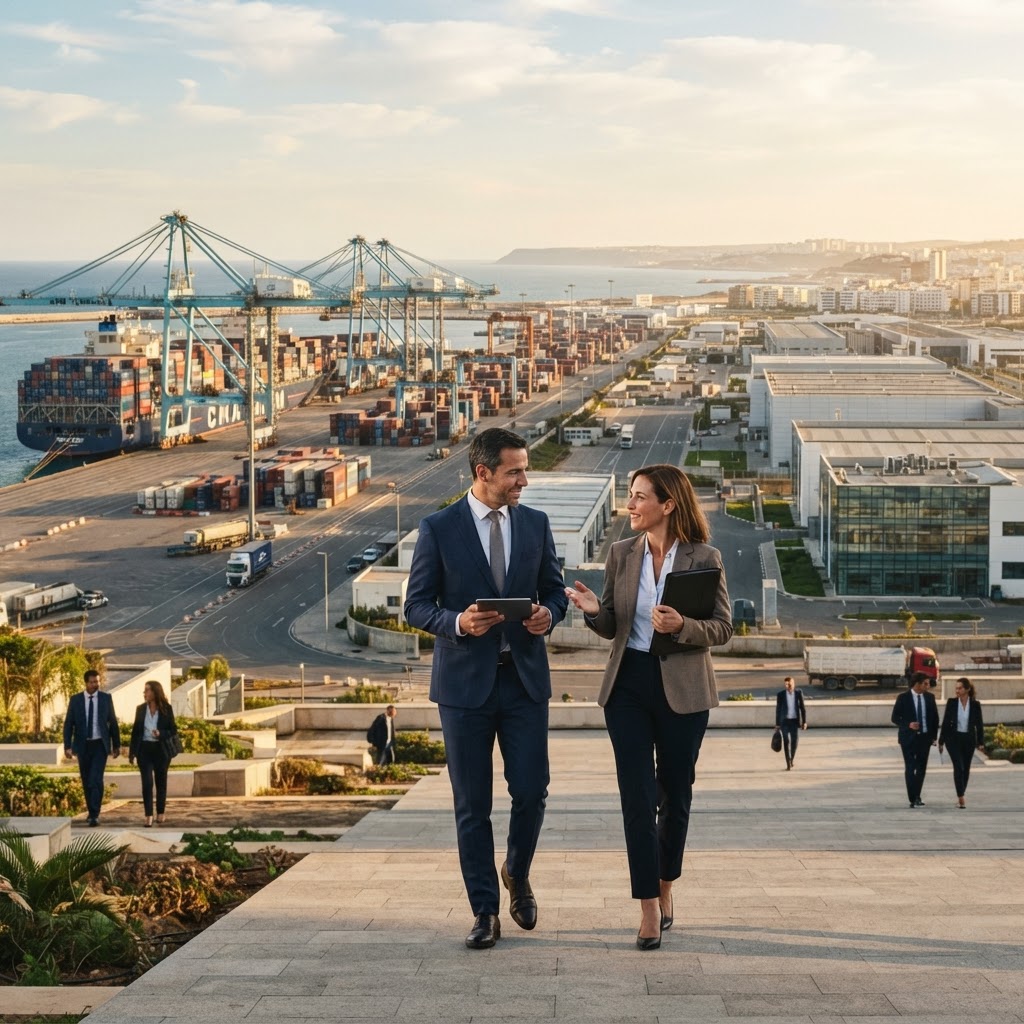
For businesses looking to expand, Morocco offers a unique combination of cost-competitiveness and market access. The ability to utilize Morocco as a regional manufacturing and export base allows companies to mitigate risks associated with global supply chain disruptions. Furthermore, the country’s commitment to the green transition, particularly in solar and wind energy, aligns with global ESG mandates, making it an attractive location for sustainable investment projects.
Opportunities
Key sectors currently driving the Moroccan investment landscape include:
- Renewable Energy: Massive investments in solar and wind power to support the national energy transition.
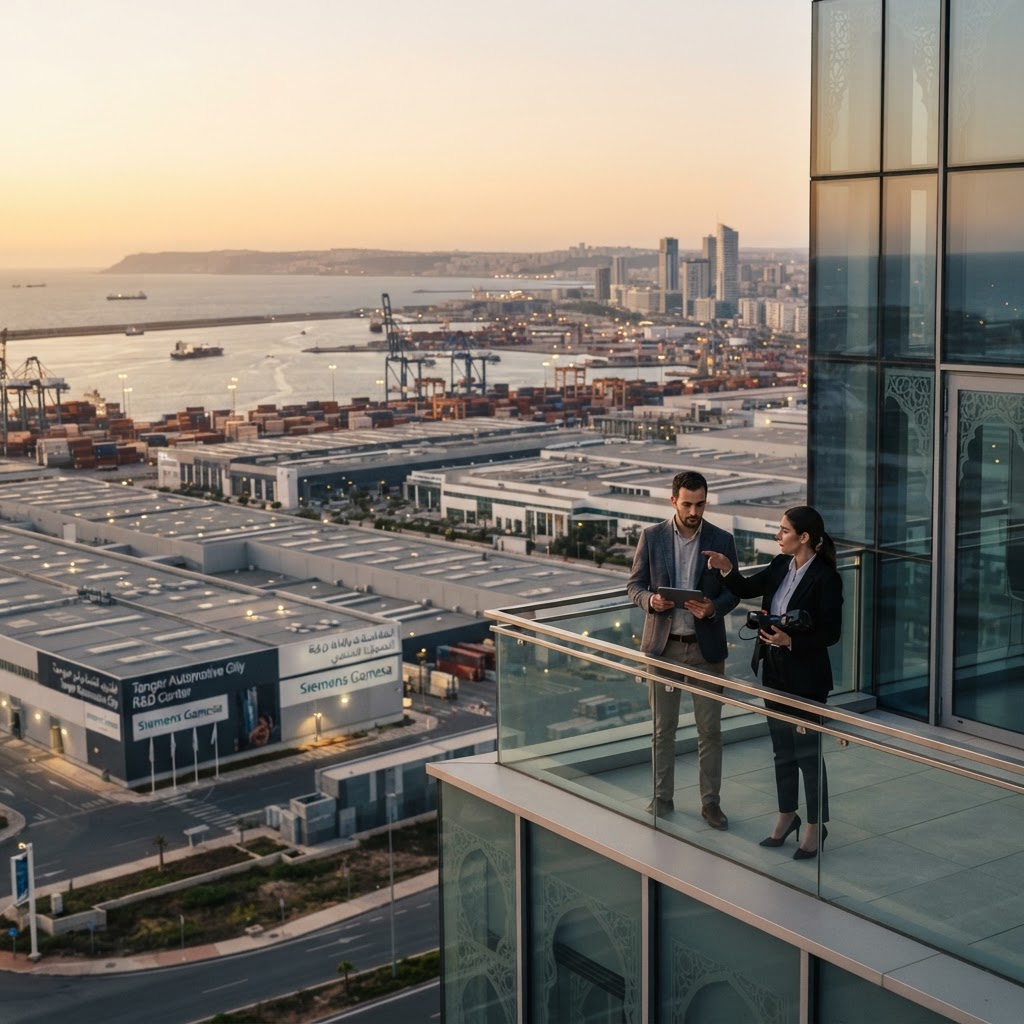
- Automotive and Aerospace: Established industrial ecosystems that benefit from proximity to European markets.
- Agro-industry: Leveraging Morocco’s agricultural output for high-value processing and export.
- Digital and Outsourcing: A growing tech sector supported by a young, multilingual workforce.
- Tourism: Ongoing development of infrastructure to support the Kingdom’s status as a top-tier global destination.
Locations
Investment activity is concentrated in specific regions that offer specialized industrial zones and logistics support:
- Casablanca-Settat: The primary economic and financial engine of the country.
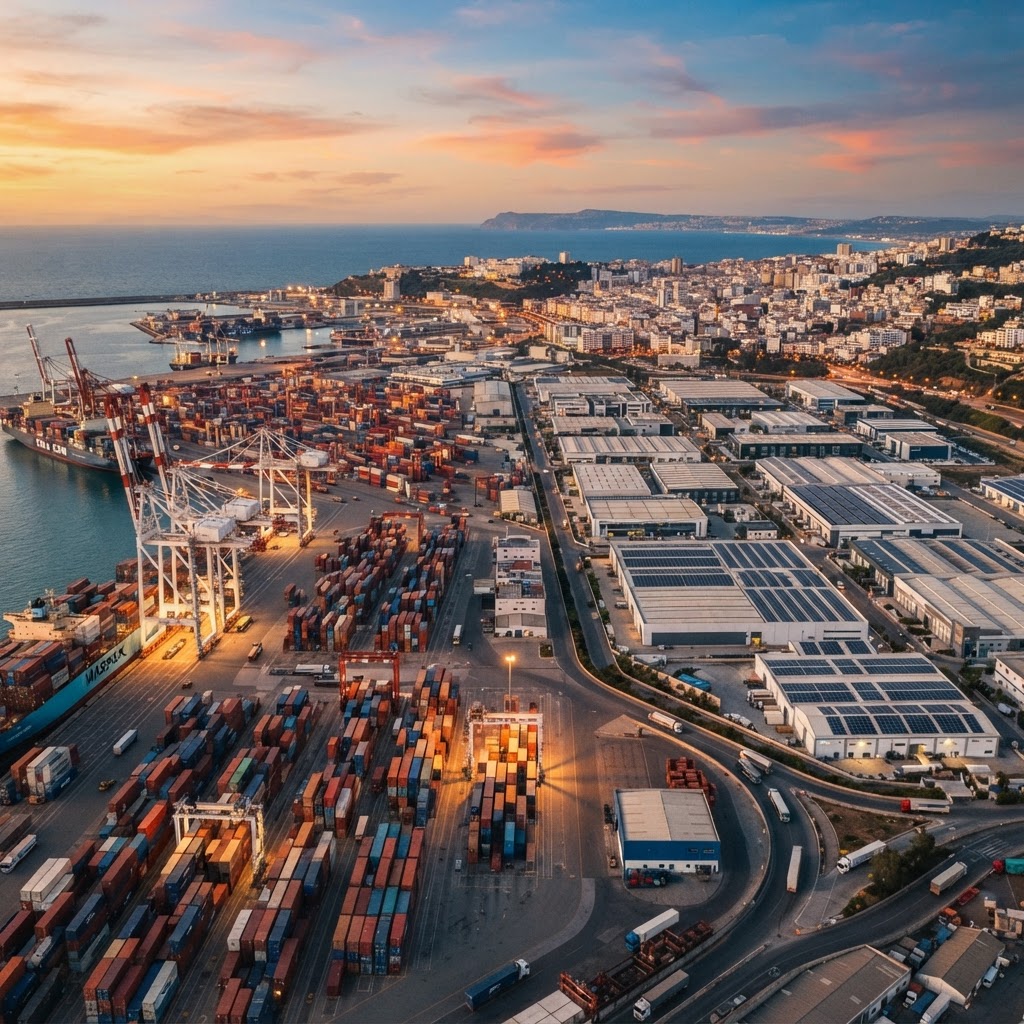
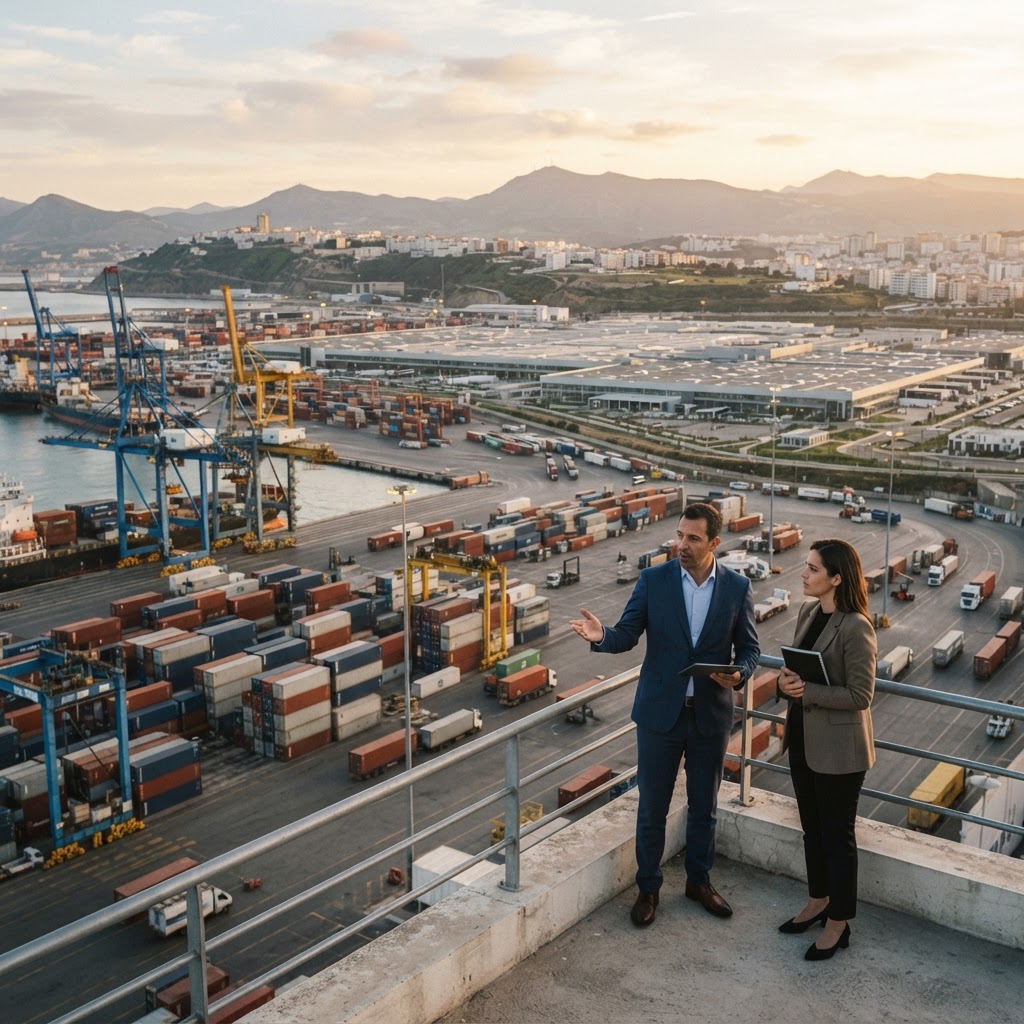
- Tanger-Tetouan-Al Hoceima: Home to the Tanger Med port, a critical hub for global maritime trade.
- Fes-Meknes: A region increasingly focused on agro-industrial development.
Incentives and Regulations
The 2022 Investment Charter is the primary vehicle for incentivizing investment. It provides a framework for state support, including potential subsidies for land, infrastructure, and employment, subject to project size and sector impact. Investors should note that while the environment is pro-business, certain sectors—such as telecommunications, critical minerals, and renewable energy—are subject to specific screening processes to ensure national interest alignment.
For those beginning their journey, understanding the legal setup is critical. You can explore the enquiry process to better understand how these regulations apply to your specific project.
Risks and Challenges
While the climate is stable, investors must be aware of potential challenges. These include navigating bureaucratic procedures, understanding the nuances of the "convertible" Dirham accounts for fund repatriation, and complying with local labor laws. Additionally, while foreign ownership of agricultural land is restricted, long-term leasing options (up to 99 years) are available, though these are subject to evolving regulatory updates.
Infrastructure and Workforce
Morocco boasts world-class infrastructure, including the Tanger Med port, extensive highway networks, and modern airports. The workforce is increasingly skilled, particularly in technical fields related to automotive and aerospace engineering. The government continues to invest in vocational training programs to ensure the labor market meets the demands of high-tech industries.
Sources
- OECD Investment Policy Reviews: Morocco 2024
- 2025 U.S. Department of State Investment Climate Statement
- United Nations Conference on Trade and Development (UNCTAD) World Investment Report 2024
- InvestMorocco.ai Strategic Investment Guides
Planning an Investment in Morocco?
InvestMorocco.ai supports investors, companies and project developers with market intelligence, feasibility, market entry, site selection, local partnerships, supplier sourcing and investment project support across Morocco.
Discuss your project: