
Introduction
Morocco has strategically positioned itself as a premier gateway between Europe, Sub-Saharan Africa, and the Middle East. Over the past decade, the Kingdom has implemented a series of structural reforms aimed at modernizing its economy and enhancing its attractiveness to international capital. By leveraging its political stability, world-class infrastructure, and a robust network of free trade agreements, Morocco has successfully transitioned into a regional manufacturing and export hub for high-value industries.
The government’s commitment to improving the business climate is anchored by the 2022 Investment Charter, which serves as a cornerstone for economic acceleration. For foreign investors, understanding the ease of doing business in Morocco requires a nuanced look at the evolving regulatory landscape, the availability of sector-specific incentives, and the ongoing efforts to streamline administrative processes.
Quick Answer
The ease of doing business in Morocco is characterized by a proactive government strategy that prioritizes foreign direct investment (FDI) through significant fiscal incentives and infrastructure development. While administrative procedures have been modernized, investors should anticipate a regulatory environment that requires careful navigation of local compliance, sector-specific frameworks, and regional development policies.
Market Overview
Morocco’s economic strategy is defined by its ambition to become a global industrial platform. According to OECD reports, the country has focused on diversifying its economy beyond traditional sectors, placing a strong emphasis on automotive, aerospace, renewable energy, and outsourcing. The establishment of the Ministry of Investment, Convergence, and Public Policy Evaluation (MICEPP) in 2022 underscores the government's centralized approach to facilitating investment and improving the overall business climate.
Why It Matters to Investors
For international firms, Morocco offers a stable environment with access to a market of approximately 2.5 billion consumers through its 12 free trade agreements. The country’s focus on value-added industries means that investors are not just entering a market, but are integrating into a sophisticated supply chain. The 2022 Investment Charter aims to mobilize significant private investment and create hundreds of thousands of jobs by 2026, signaling a long-term commitment to private sector growth.
Opportunities and Strategic Locations
Opportunities are particularly concentrated in sectors such as green hydrogen, renewable energy, automotive manufacturing, and digital services. Geographically, investment is often clustered in specialized industrial zones:
- Tanger-Tetouan-Al Hoceima: A hub for automotive and logistics, anchored by the Tanger Med port.
- Casablanca-Settat: The primary financial and industrial engine of the country.
- Fes-Meknes: A growing region for agro-food and manufacturing.
These regions benefit from targeted infrastructure investments designed to reduce territorial disparities and encourage balanced economic development.
Infrastructure and Ecosystem
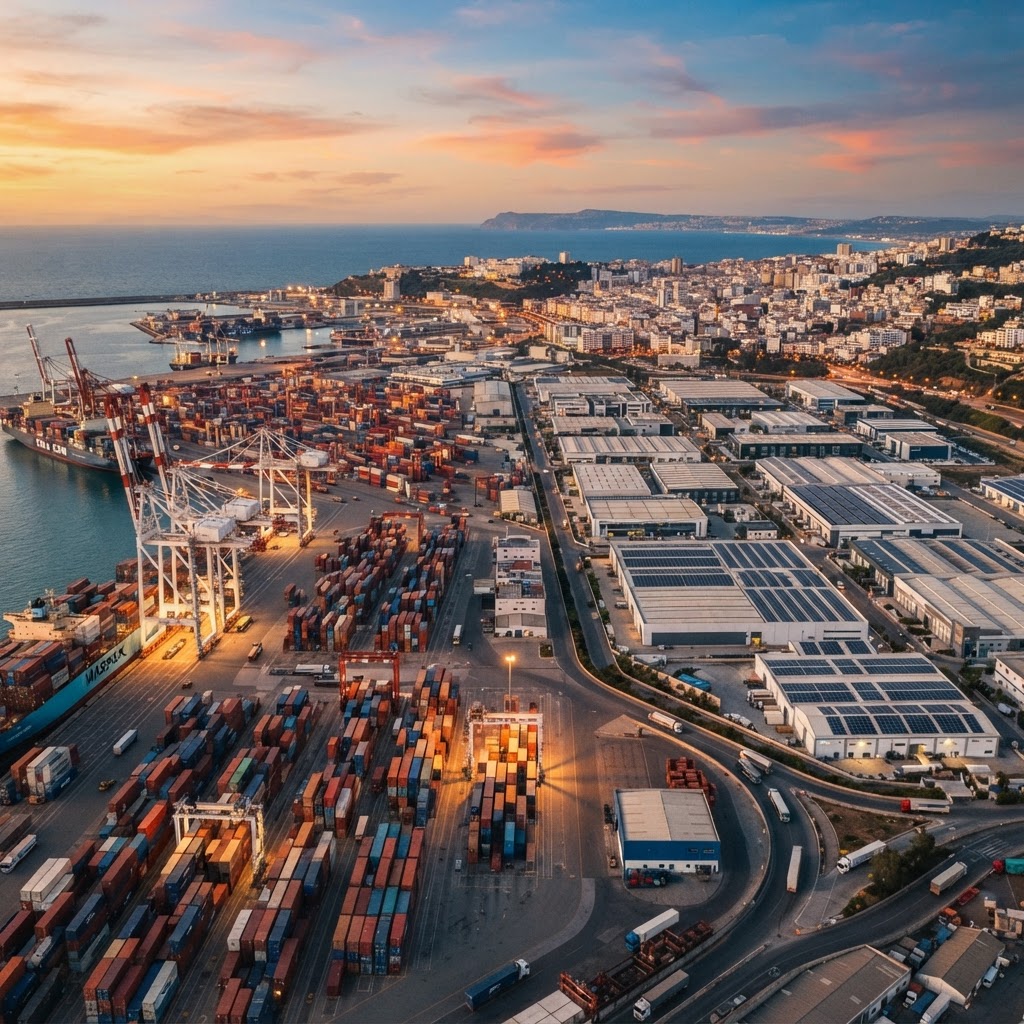
Morocco boasts world-class infrastructure, including the Tanger Med port, which is one of the largest in the Mediterranean. The country has also invested heavily in high-speed rail, highway networks, and renewable energy plants. This physical infrastructure is supported by a growing ecosystem of suppliers, specialized industrial parks, and support services that facilitate the entry of foreign firms.
Incentives and the Investment Charter
The 2022 Investment Charter (Framework Law 03/22) is the primary vehicle for investment support. It provides a framework for subsidies and grants, particularly for projects that contribute to job creation, regional development, and priority sectors. Investors may also benefit from tax exemptions and customs duty relief, subject to specific project criteria and government approval. It is essential to note that these incentives are not automatic and require a formal application process.
Risks and Challenges
While the business climate is improving, investors should be aware of potential challenges. These may include navigating complex administrative procedures, understanding local labor regulations, and managing the transition to new regulatory standards. As with any emerging market, conducting thorough due diligence and engaging with local legal and financial experts is highly recommended to mitigate risks.
Investor Considerations
Successful investment in Morocco requires a long-term perspective. Investors should prioritize building local partnerships, understanding the specific requirements of the Investment Charter, and aligning their projects with the government’s national development goals. For personalized guidance on your specific project, you can submit an enquiry to our team of experts.
Sources
- OECD Economic Surveys: Morocco 2024
- Investment Charter (Framework Law 03/22)
- Ministry of Investment, Convergence, and Public Policy Evaluation (MICEPP)
- World Bank Doing Business Data
- U.S. Department of State Investment Climate Statements
Planning an Investment in Morocco?
InvestMorocco.ai supports investors, companies and project developers with market intelligence, feasibility, market entry, site selection, local partnerships, supplier sourcing and investment project support across Morocco.
Discuss your project: