
Introduction
Morocco has strategically positioned itself as a premier investment destination by aligning its national development goals with global industrial and technological trends. Through a series of high-level initiatives, the Kingdom has transitioned from a traditional manufacturing base to a sophisticated hub for innovation, digital transformation, and sustainable development. For foreign investors, understanding this strategy is essential to navigating the Moroccan business landscape and identifying high-growth opportunities.
The country’s approach is anchored in a long-term vision that prioritizes private sector-led growth, regional integration, and the adoption of advanced technologies. By fostering a business-friendly environment supported by robust infrastructure and targeted incentives, Morocco aims to enhance its competitiveness on the global stage while addressing socio-economic priorities such as job creation and digital inclusion.
Quick Answer
Morocco’s innovation strategy is a multi-faceted framework centered on the Digital Morocco 2030 initiative and the Industrial Acceleration Plan. These strategies aim to transform the Kingdom into a regional technology hub, boost industrial value-added production, and accelerate the transition toward a green, digital-first economy.
Market Overview
Morocco’s economic strategy is defined by its commitment to structural reforms and sector-specific development. According to the World Bank, the country successfully increased the weight of industry in its GDP from 14% in 2014 to 23% by 2020. This growth is supported by a stable macroeconomic environment and a proactive government approach to attracting foreign direct investment (FDI).
The current landscape is characterized by a shift toward high-value sectors, including automotive, aerospace, renewable energy, and digital services. The Digital Morocco 2030 strategy, launched in 2024, serves as the cornerstone for the country’s technological evolution, focusing on public sector modernization, digital sovereignty, and the creation of a skilled workforce capable of competing in the global digital economy.
Why It Matters to Investors
For international companies, Morocco’s innovation strategy provides a predictable and supportive framework for long-term investment. The government’s focus on industrial ecosystems—where leaders and SMEs collaborate—facilitates technology transfer and supply chain integration. Investors benefit from a clear roadmap that aligns with global standards, reducing entry barriers and enhancing operational efficiency.
Opportunities
The strategic focus on innovation opens doors in several key areas:
- Digital Economy: Opportunities in R&D, software development, and fintech, supported by the growth of the startup ecosystem which saw funding nearly triple between 2023 and 2024.
- Renewable Energy: Continued investment in solar and wind manufacturing, aligned with the country’s green transition goals.
- Advanced Manufacturing: Expansion in automotive and aerospace, leveraging existing industrial hubs and specialized labor pools.
- Agro-Tech: Modernizing the agricultural sector through the Green Generation 2020-2030 plan.
Locations and Infrastructure
Morocco offers over 120 world-class industrial hubs designed to facilitate rapid business establishment. Key locations include:
- Tanger Free Zone: A premier hub for automotive and logistics.
- Casablanca Finance City (CFC): The primary gateway for financial services and regional headquarters.
- Technopark Casablanca/Rabat: Dedicated spaces for startups and digital innovation.
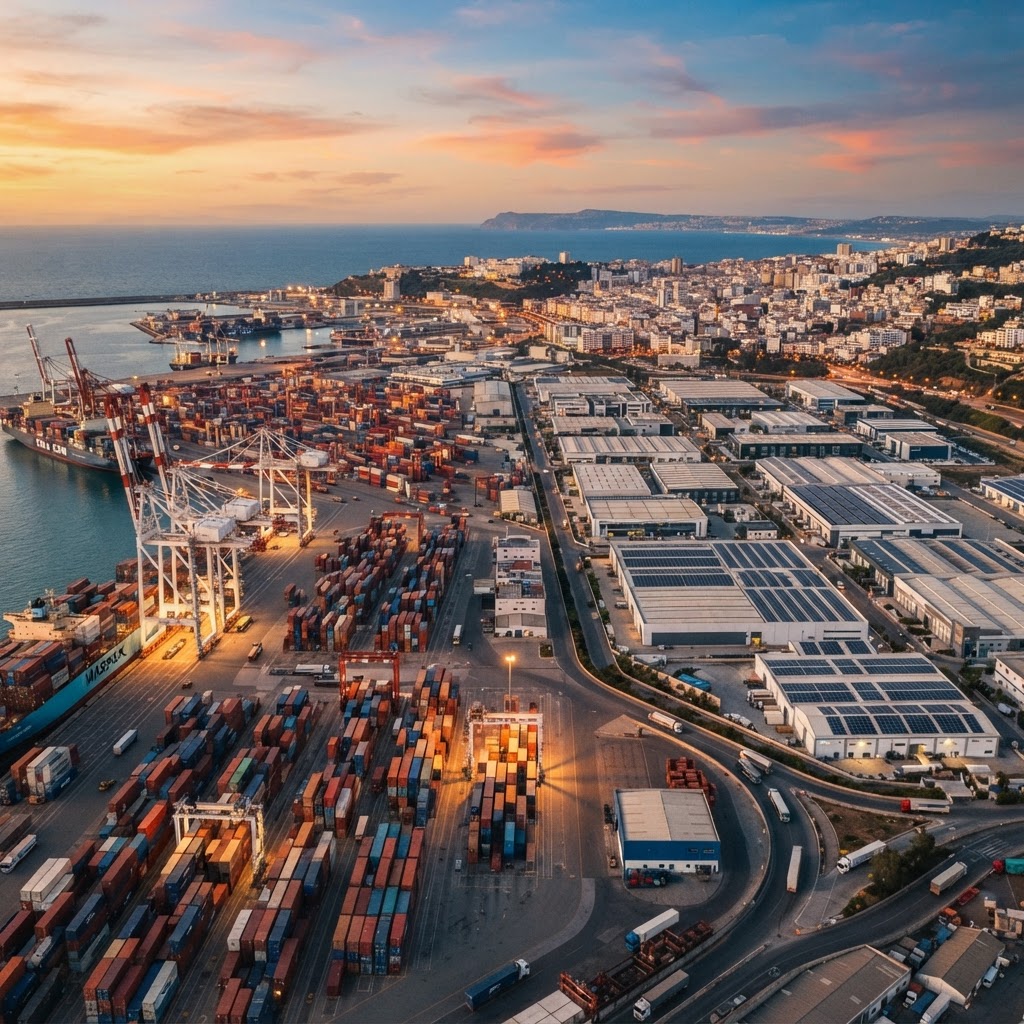
These zones are supported by world-class infrastructure, including the Tanger-Med port and an extensive high-speed rail network, ensuring seamless connectivity to European and African markets.
Incentives and Regulations
The New Investment Charter provides a transparent framework for investors, offering various financial and tax incentives based on the scale and impact of the project. These incentives are often tied to job creation, regional development, and the adoption of sustainable practices. Investors are encouraged to conduct a thorough review of their project eligibility through official channels or by seeking professional guidance at InvestMorocco.ai.
Risks and Challenges
While the investment climate is favorable, investors should remain mindful of potential challenges, including the need for ongoing workforce training to meet the demands of high-tech sectors and the complexities of navigating regional regulatory variations. Water stress remains a national priority, and projects in water-intensive industries should account for the government’s desalination and sustainability requirements.
Investor Considerations
Success in Morocco requires a partnership-oriented approach. Engaging with local suppliers, investing in human capital, and aligning with the government’s sustainability goals are critical factors for long-term viability. Investors should prioritize projects that offer high value-added potential and contribute to the Kingdom’s broader socio-economic objectives.
Sources
- Ministry of Industry and Commerce (Industrial Acceleration Plan)
- Digital Morocco 2030 Strategy (2024)
- World Bank (Industrial GDP data)
- EBRD Morocco Country Strategy 2024-2029
- Global Startup Ecosystem Index 2025
Planning an Investment in Morocco?
InvestMorocco.ai supports investors, companies and project developers with market intelligence, feasibility, market entry, site selection, local partnerships, supplier sourcing and investment project support across Morocco.
Discuss your project: