Introduction
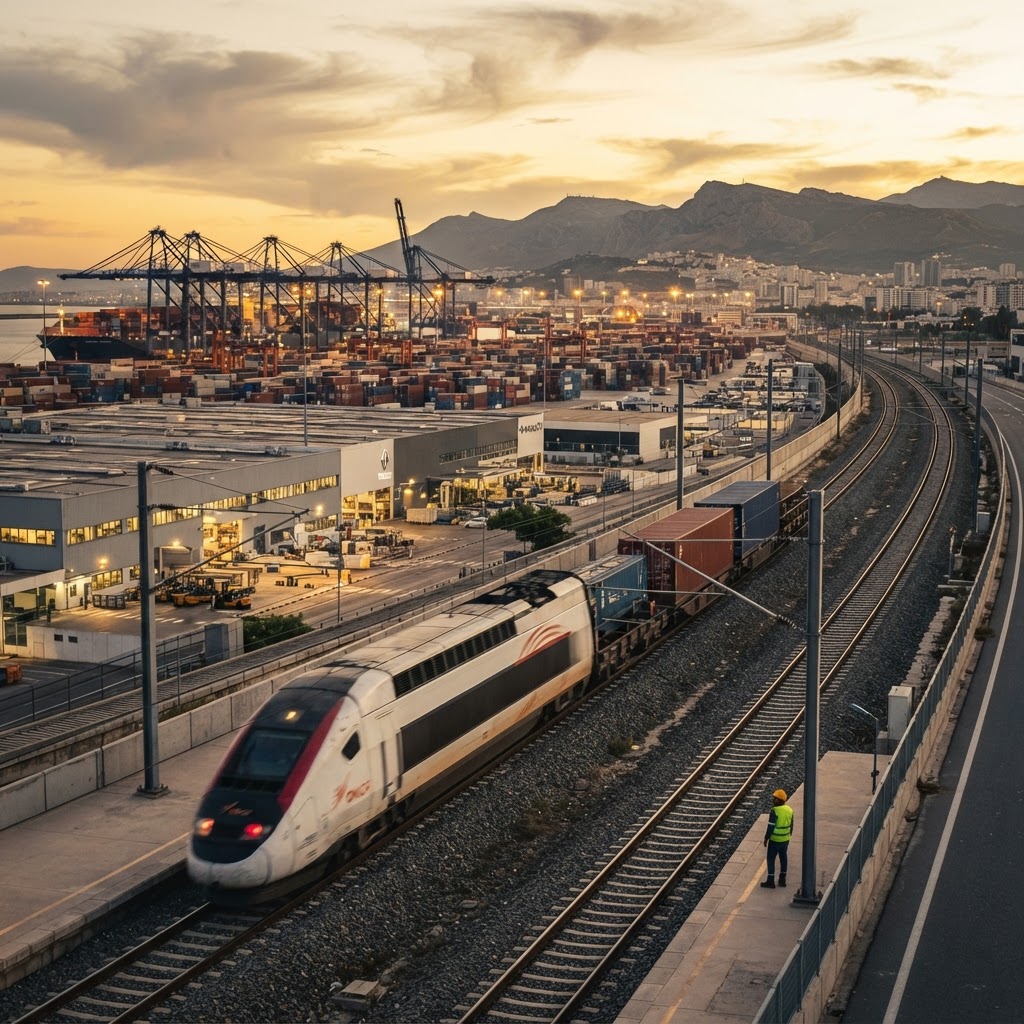
Morocco is currently undergoing a transformative phase in its national infrastructure development, with the railway sector serving as a cornerstone of its economic modernization strategy. As the country positions itself as a premier gateway between Europe and Africa, the expansion and modernization of its rail network are critical to facilitating trade, enhancing regional connectivity, and supporting the nation's industrial ambitions. For foreign investors, this sector represents a significant opportunity to participate in large-scale projects that align with Morocco's long-term vision for sustainable and efficient logistics.
The national railway operator, Office National des Chemins de Fer (ONCF), is the primary entity driving these developments. By integrating high-speed rail technology with conventional network upgrades, Morocco is creating a robust transport backbone designed to support both passenger mobility and freight efficiency, particularly in anticipation of major international events like the 2030 FIFA World Cup.
Quick Answer
Morocco's railway strategy, centered on the Plan Maroc Rail 2040, aims to expand the national rail network to connect 43 cities, covering 87% of the population. The strategy focuses on extending high-speed rail lines, modernizing conventional infrastructure, and integrating rail with major ports and airports to boost industrialization and regional trade.
Market Overview
The Moroccan rail sector is defined by a clear, long-term master plan known as the Plan Maroc Rail 2040. This comprehensive roadmap outlines the configuration of the national network, aiming to link 12 ports and 15 international airports. As of recent reports, the government has committed to a significant investment cycle, with plans involving approximately MAD 96 billion (roughly $9.6 billion) to be deployed by 2030 to modernize and expand infrastructure.
Key projects include the extension of the high-speed rail line from Kenitra to Marrakech and the enhancement of the Casablanca rail hub. These initiatives are supported by international financial institutions, including the African Development Bank (AfDB) and the European Investment Bank (EIB), which have provided substantial financing to support sustainable mobility and green energy transitions in the transport sector.
Why It Matters to Investors
For those looking to invest in Morocco, the railway strategy offers more than just construction opportunities. It is a catalyst for broader economic growth. The expansion of the rail network is designed to:
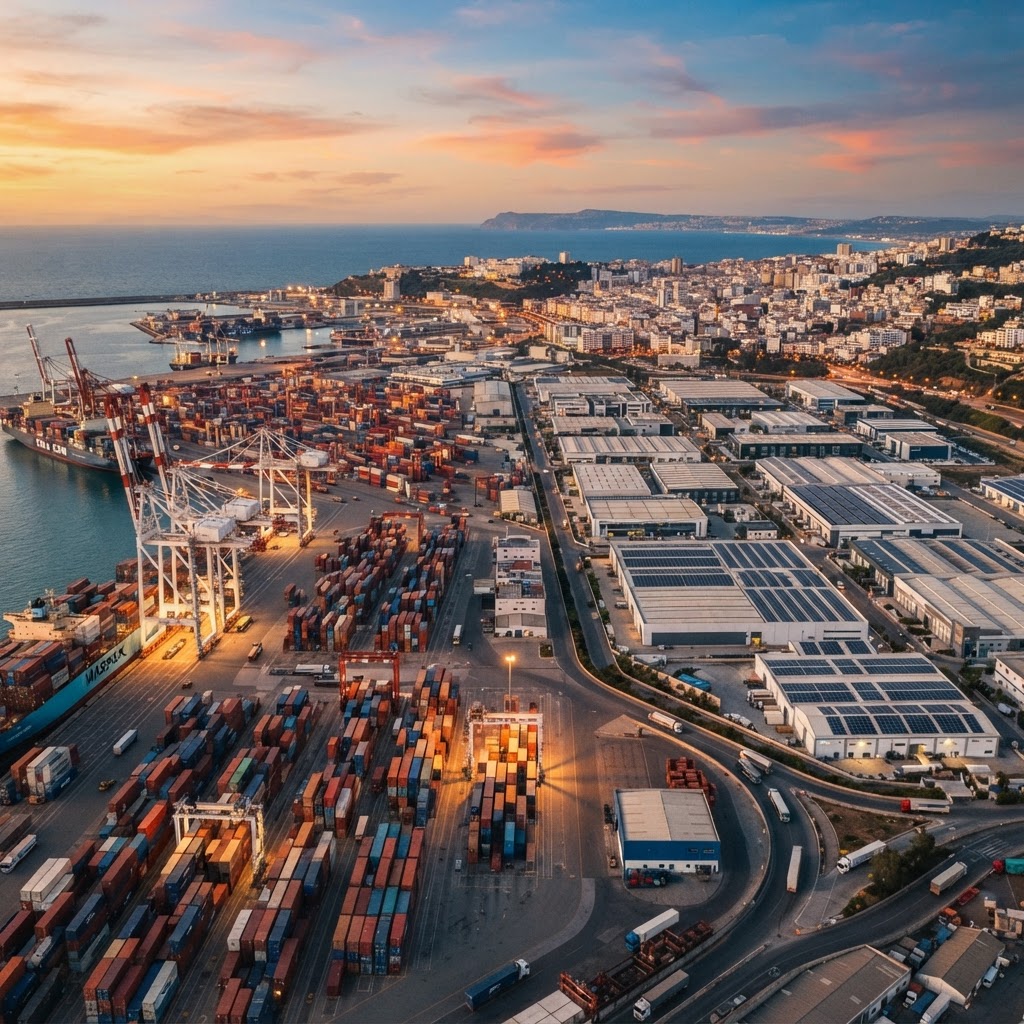
- Reduce Logistics Costs: Improved rail connectivity to major ports like Tangier Med and Casablanca lowers the cost of moving goods, enhancing the competitiveness of Moroccan exports.
- Support Industrial Zones: Reliable rail links are essential for the success of industrial acceleration zones, ensuring that raw materials and finished products move efficiently.
- Foster Regional Development: By connecting 43 cities, the strategy opens up new markets and labor pools outside of the traditional economic hubs.
Opportunities
The scale of the 2040 plan creates a diverse ecosystem of opportunities for foreign firms, including:
- Engineering and Construction: Large-scale civil engineering projects for track expansion and station modernization.
- Technology and Signaling: Modernization of equipment with cutting-edge technology to improve safety and operational efficiency.
- Rolling Stock Maintenance: Opportunities for suppliers to provide and maintain electric and diesel locomotives.
- Industrial Localization: The government is actively seeking to develop a domestic rail industry to reduce import dependence, offering potential for joint ventures and local manufacturing.
Locations and Infrastructure
The strategy prioritizes the North-South corridor, linking the industrial heartlands of Tangier and Casablanca with the tourism and economic center of Marrakech. Key focus areas include:
- Casablanca-Rabat Corridor: High-density conventional line upgrades.
- Kenitra-Marrakech: The primary focus for high-speed rail extension.
- Port Connectivity: Direct rail access to Jorf Lasfar, Nador, and other strategic maritime gateways.
Workforce and Ecosystem
The rail expansion is expected to create approximately 300,000 jobs across various sectors, including engineering, manufacturing, and transport operations. The government is emphasizing workforce upskilling to ensure that the local labor market can meet the technical demands of a modern, high-speed rail network. Investors are encouraged to explore partnerships with local technical institutes and engineering firms to leverage this growing talent pool.
Incentives and Regulations
Morocco offers a favorable environment for foreign investment through the Investment Charter, which provides various fiscal and non-fiscal incentives for projects that contribute to national development goals. Investors should consult with the Moroccan Agency for Investment and Export Development (AMDIE) to understand specific regional incentives and sector-specific support programs. Regulatory compliance is managed through the Ministry of Transport and Logistics and ONCF, and all projects must adhere to national standards for safety and environmental sustainability.
Risks and Challenges
While the outlook is positive, investors should be aware of potential challenges:
- Schedule Risk: Large-scale infrastructure projects are subject to complex logistical and environmental variables that can impact timelines.
- Financing Complexity: While international funding is available, projects often require a mix of public and private capital, necessitating thorough financial modeling.
- Regulatory Evolution: As the sector modernizes, regulations regarding procurement and local content requirements may evolve, requiring ongoing monitoring.
Investor Considerations
Before committing to a project, investors should conduct a detailed feasibility study and engage with local stakeholders. Understanding the specific requirements of the ONCF procurement process is essential. For those seeking guidance on navigating the Moroccan market, our enquiry page provides resources to help evaluate and plan your investment project effectively.
Sources
- Office National des Chemins de Fer (ONCF)
- Moroccan Agency for Investment and Export Development (AMDIE)
- African Development Bank (AfDB)
- European Investment Bank (EIB)
- OECD - Africa's Development Dynamics 2025
- Ministry of Transport and Logistics, Kingdom of Morocco
Planning an Investment in Morocco?
InvestMorocco.ai supports investors, companies and project developers with market intelligence, feasibility, market entry, site selection, local partnerships, supplier sourcing and investment project support across Morocco.
Discuss your project: