Introduction
Morocco has strategically positioned itself as a premier maritime gateway, leveraging its unique geography at the crossroads of Europe, Africa, and the Atlantic. Over the past two decades, the Kingdom has transitioned from a traditional port system to a sophisticated, integrated network of world-class maritime infrastructure. This transformation is driven by a long-term vision to enhance national competitiveness, foster regional integration, and serve as a vital link in global supply chains.
Central to this evolution is the National Port Strategy 2030, a comprehensive roadmap designed to modernize existing facilities, develop new deepwater hubs, and integrate logistics value chains. For international investors, this infrastructure push represents a significant opportunity to tap into a stable, business-friendly environment that is increasingly connected to major global markets.
Quick Answer
Morocco's port strategy is a multi-billion dollar national initiative running through 2030 that aims to modernize the country's 27 ports, increase total capacity to approximately 450 million tons, and establish new deepwater hubs like Nador West Med and Dakhla Atlantic. The strategy focuses on enhancing economic competitiveness, supporting industrial zones, and positioning Morocco as a global logistics and energy transit leader.
Market Overview
The National Port Strategy 2030 is built upon six core pillars, including the consolidation of port management, the integration of maritime and logistics value chains, and the alignment of infrastructure with international standards. According to government officials, the strategy involves an investment of approximately USD 8 billion to expand capacity and develop specialized facilities, including shipyards for construction and repair.
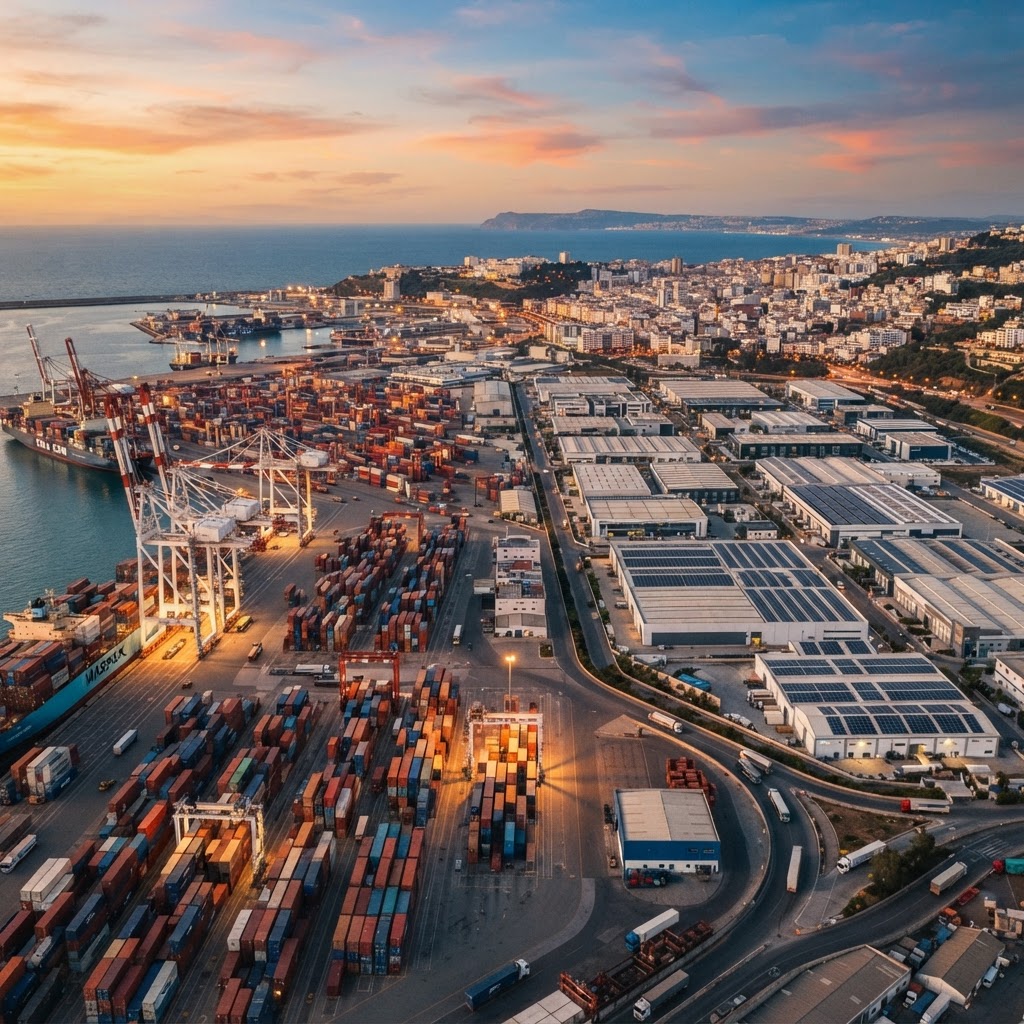
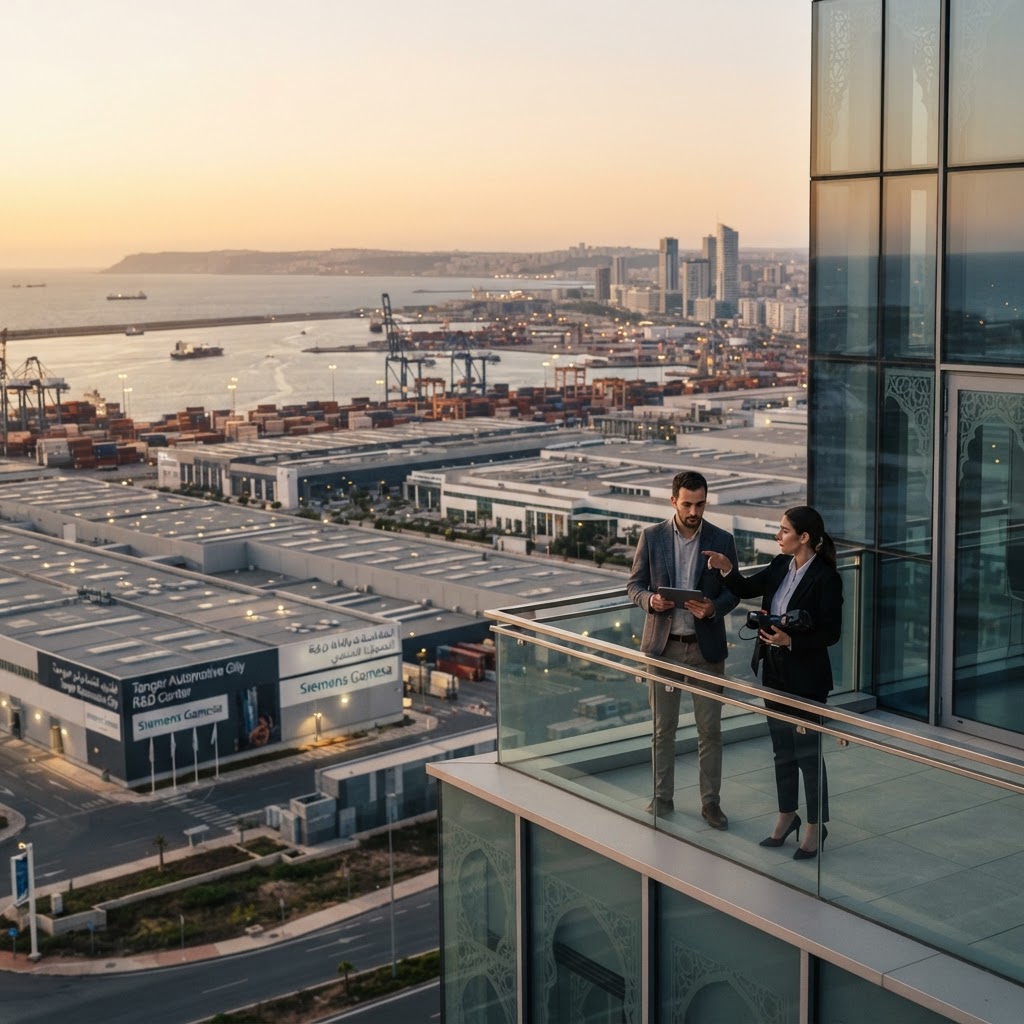
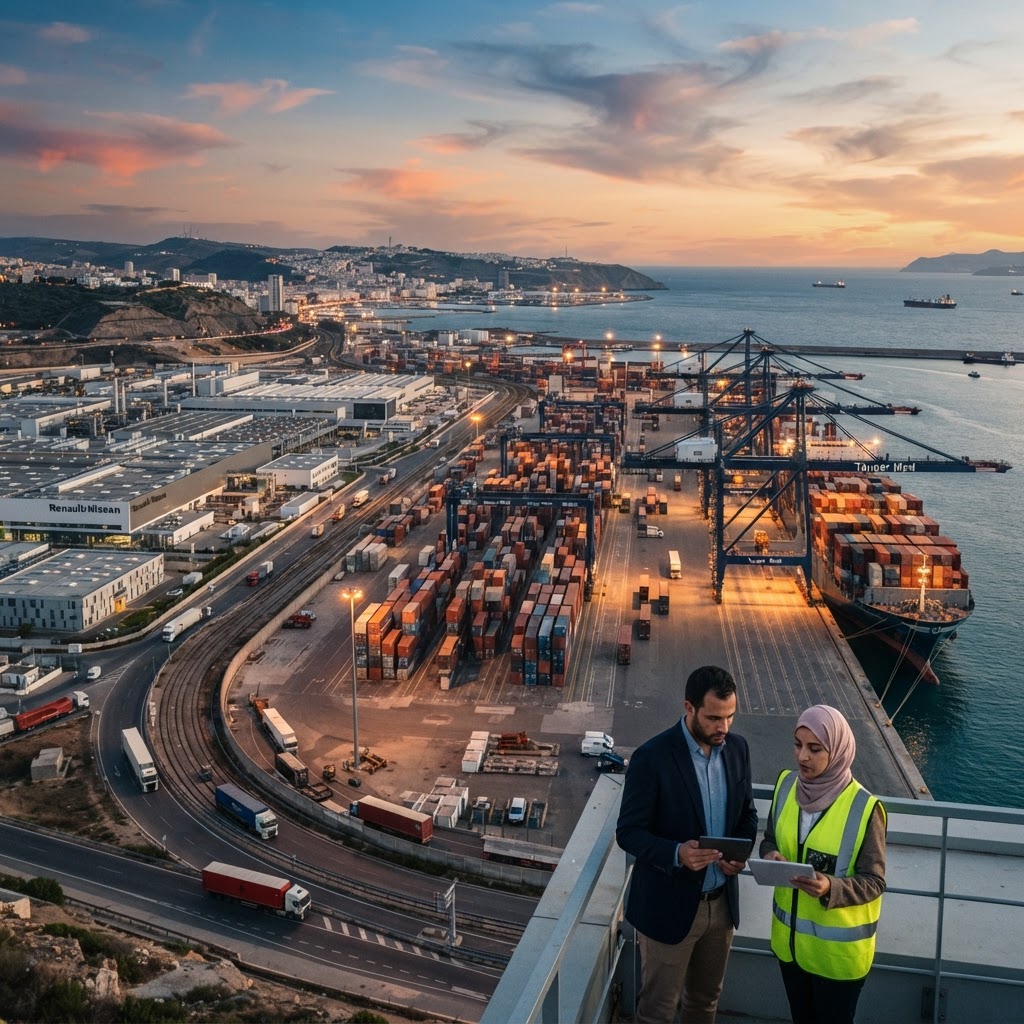
The success of this strategy is anchored by the Tanger-Med complex, which has become the leading container hub in the Mediterranean and Africa, handling over 11 million TEUs in 2025. This success serves as the blueprint for upcoming projects, ensuring that new ports are not merely transit points but integrated industrial ecosystems.
Why It Matters to Investors
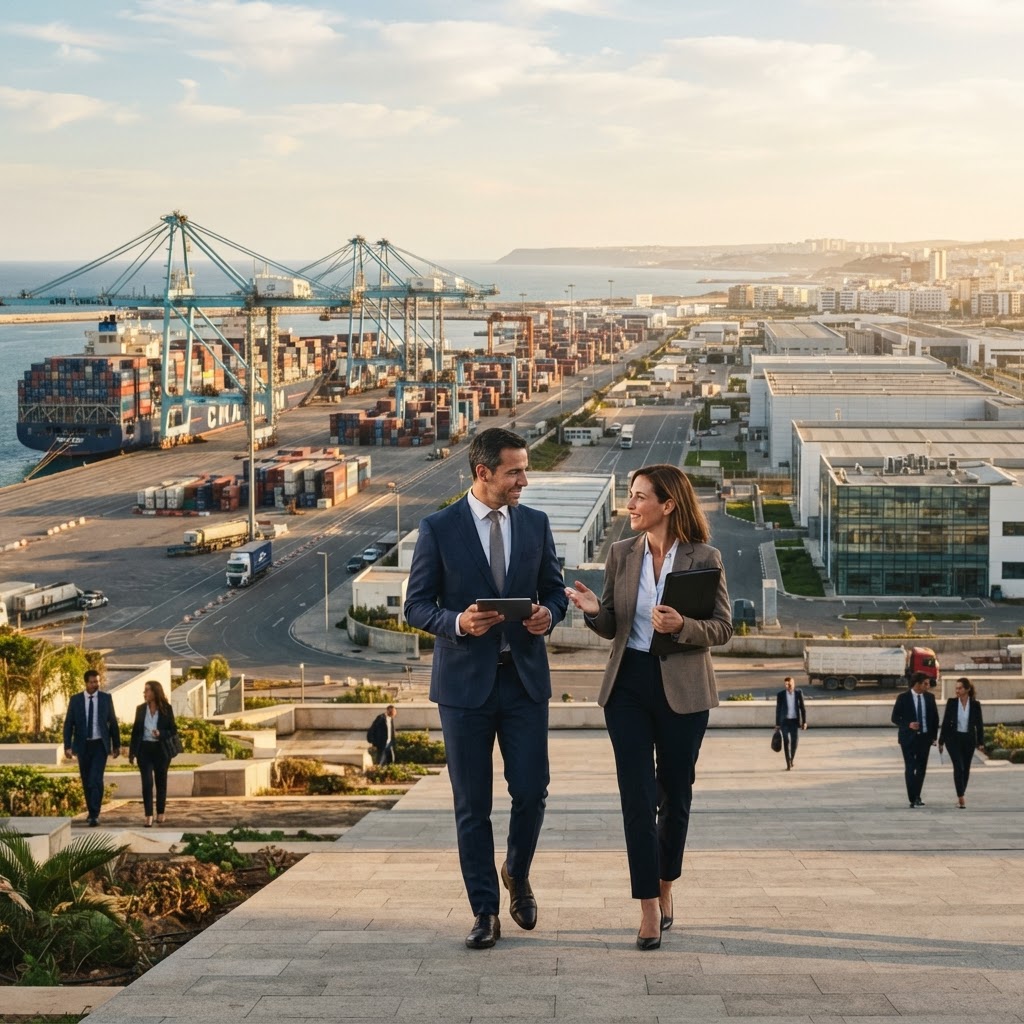
For investors, Morocco’s port strategy is a signal of long-term economic stability and connectivity. The development of these ports directly supports the growth of industrial zones, providing businesses with efficient access to global markets. Whether in manufacturing, agribusiness, or renewable energy, the proximity to these high-capacity ports reduces logistics costs and improves supply chain resilience.
Key Strategic Locations
- Tanger-Med: The crown jewel of the network, serving as a global transshipment hub and hosting over 1,100 companies.
- Nador West Med: A major upcoming deepwater port on the Mediterranean, designed to feature industrial zones expandable up to 5,000 hectares and Morocco’s first LNG terminal.
- Dakhla Atlantic Port: A strategic project in the southern provinces, designed with a 23-meter depth to facilitate the processing of raw materials and support agricultural and industrial development.
Infrastructure and Ecosystem
The strategy goes beyond simple berths and cranes. It emphasizes the creation of an integrated ecosystem that includes:
- Industrial Zones: Dedicated areas adjacent to ports that offer tax incentives and streamlined administrative processes.
- Logistics Corridors: Enhanced road and rail connectivity linking ports to major inland cities and industrial hubs.
- Energy Infrastructure: Integration of LNG terminals and renewable energy facilities to support green industrialization.
Incentives and Regulations
Investors can benefit from the framework provided by the New Investment Charter, which offers various incentives for projects that contribute to regional development and job creation. While specific tax rates and subsidies vary based on the sector and location, the government provides a structured environment for foreign direct investment. Regulations are managed by the National Ports Agency (ANP) and the Ministry of Equipment and Water, ensuring that port operations meet international safety and efficiency standards.
Risks and Challenges
As with any large-scale infrastructure development, investors should conduct thorough due diligence. Potential challenges include navigating complex administrative procedures, managing supply chain dependencies, and staying updated on evolving environmental regulations. It is recommended to engage with local experts to assess project-specific risks and ensure compliance with national standards.
Investor Considerations
When evaluating opportunities, investors should focus on the synergy between their specific industry and the port’s specialization. For instance, companies in the energy sector may find the Nador West Med project particularly attractive due to its LNG capabilities, while those in manufacturing may benefit from the established industrial zones around Tanger-Med. For personalized guidance on your investment project, you can submit an enquiry to our team.
Sources
- Ministry of Equipment and Water
- National Ports Agency (ANP)
- Tanger Med Special Agency (TMSA)
- Morocco Now
- World Bank
- OECD
Planning an Investment in Morocco?
InvestMorocco.ai supports investors, companies and project developers with market intelligence, feasibility, market entry, site selection, local partnerships, supplier sourcing and investment project support across Morocco.
Discuss your project: