
Introduction
Morocco has strategically positioned itself as a premier gateway between Europe, Africa, and the Americas. By leveraging its unique geographical location at the crossroads of major maritime routes, the Kingdom has implemented a comprehensive logistics strategy designed to transform the nation into a global trade and industrial hub. This vision is supported by massive infrastructure investments, legislative reforms, and a commitment to sustainable, digital-first supply chain management.
For foreign investors, understanding this strategy is essential for navigating the Moroccan market. Whether you are looking to establish manufacturing operations, distribution centers, or tech-enabled logistics services, the current national roadmap offers a structured environment for long-term growth.
Quick Answer
Morocco’s logistics strategy is a multi-faceted national roadmap aimed at positioning the country as a global trade hub by 2030. It focuses on integrating world-class port infrastructure, such as Tangier Med, with expanded rail and road networks, while incentivizing private sector investment to create a smart, sustainable, and efficient supply chain ecosystem.
Market Overview
The Moroccan logistics sector is currently undergoing a period of rapid expansion. Estimates suggest the market value ranges between $13.8 billion and $23.9 billion as of 2026, reflecting the country's growing role in international trade. The government’s approach is holistic, combining the development of specialized logistics zones with the modernization of transport modes. This strategy is not merely about moving goods; it is about creating an integrated ecosystem that supports the Kingdom's broader industrial ambitions, including the automotive, aerospace, and renewable energy sectors.
Why It Matters to Investors
For international businesses, Morocco offers a stable and competitive platform to access a consumer market of over 1 billion people through its extensive network of free trade agreements. The logistics strategy provides the physical and regulatory backbone for these operations. By aligning with national priorities, investors can benefit from reduced transit times, improved supply chain resilience, and proximity to the European market, which is increasingly viewing Morocco as a strategic nearshoring partner.
Opportunities
The current investment climate is characterized by several high-growth areas:
- Warehouse and Distribution: With major players like BLS committing hundreds of millions of dollars to expand storage capacity, there is significant demand for modern, automated warehousing facilities.
- Digital Logistics: The integration of AI and data-driven platforms is a priority under the 2030 digital transformation agenda.
- Cold Chain Logistics: As Morocco expands its agricultural exports, the need for sophisticated cold chain infrastructure continues to rise.
- Renewable Energy Integration: Logistics facilities that utilize green energy are increasingly favored, aligning with the national goal of generating 52% of electricity from renewables by 2030.
Locations and Infrastructure
Morocco’s logistics strategy is anchored by several key hubs:
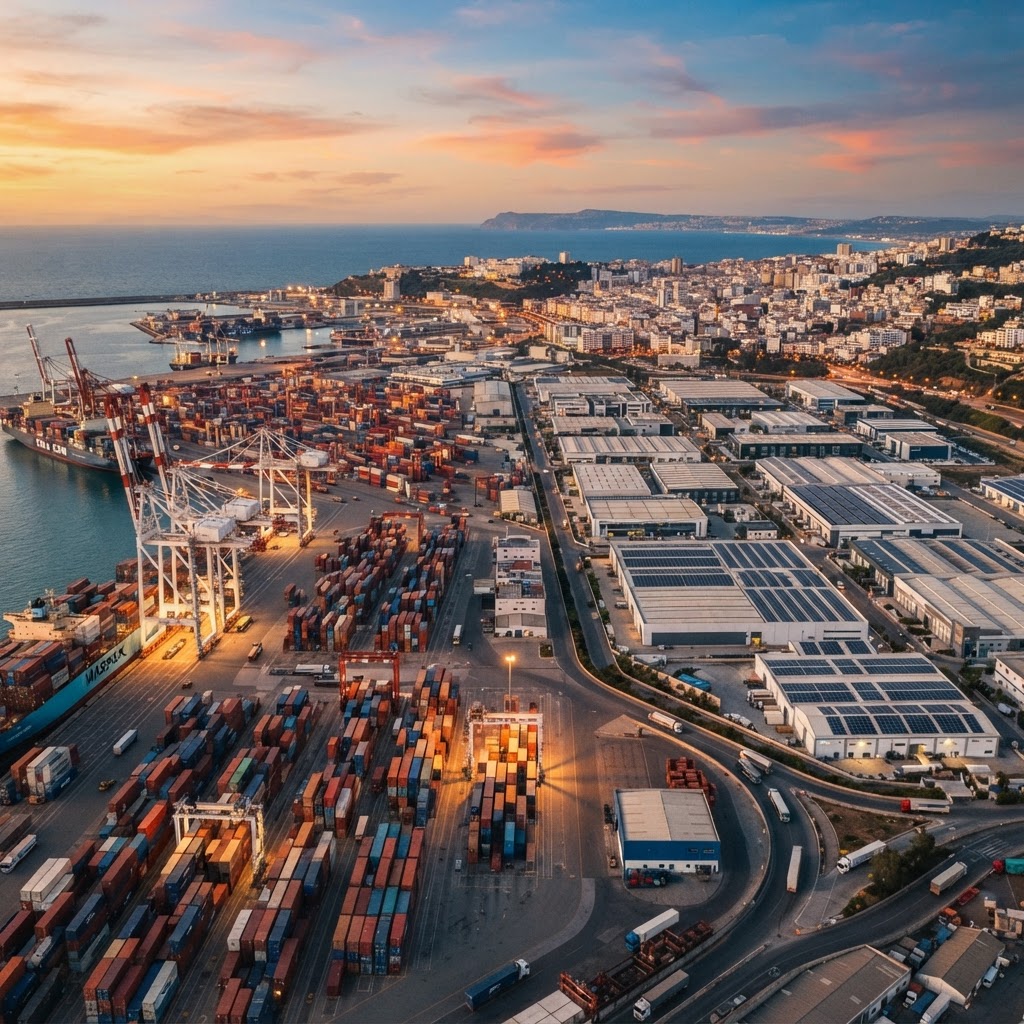
- Tangier Med: A world-class port complex that serves as the primary engine for maritime trade.
- Casablanca-Nouaceur: A critical node for industrial and data center development, with significant land allocation for logistics platforms.
- Southern Ports: Ongoing developments in Laayoune and Dakhla are expanding the reach of the logistics network toward sub-Saharan Africa.
The government has earmarked over $100 billion for infrastructure projects between 2025 and 2030, covering road, rail, and port expansions to ensure seamless connectivity across these regions.
Incentives and Regulations
Investors can leverage the Investment Charter, which provides a framework for state support, including potential tax incentives, land subsidies, and customs facilitation for projects that contribute to national development goals. Regional investment centers (CRIs) act as primary points of contact for navigating these incentives. Regulations are continuously evolving to improve the ease of doing business, with a focus on transparency and the digitalization of administrative procedures.
Risks and Challenges
While the outlook is positive, investors should conduct thorough due diligence. Challenges may include navigating complex local administrative processes, managing the transition to a more skilled workforce, and ensuring compliance with evolving environmental standards. It is recommended to engage with local experts to assess specific project risks.
Investor Considerations
Before committing capital, investors should evaluate their supply chain requirements against the current capacity of Moroccan logistics zones. Understanding the specific regional incentives and the availability of local suppliers is crucial. For personalized guidance on your market entry, you can submit an enquiry to our team of experts.
Sources
- AMDIE (Moroccan Agency for Investment and Export Development)
- Morocco Now
- World Bank
- Ministry of Logistics and Transport
- IFC (International Finance Corporation)
Planning an Investment in Morocco?
InvestMorocco.ai supports investors, companies and project developers with market intelligence, feasibility, market entry, site selection, local partnerships, supplier sourcing and investment project support across Morocco.
Discuss your project: