Understanding Morocco's Industrial Strategy
Morocco has spent the last two decades transforming its economic landscape through a series of ambitious, state-led industrial strategies. By shifting from a traditional agricultural base to a diversified, high-value-added manufacturing hub, the Kingdom has positioned itself as a critical link in global supply chains. Central to this evolution is the Industrial Acceleration Plan (PAI), which serves as the blueprint for integrating Morocco into the global economy while fostering local industrial ecosystems.
For foreign investors, understanding this strategy is essential. It is not merely a policy document but a roadmap that dictates where infrastructure is built, which sectors receive government support, and how the regulatory environment is evolving to meet international standards.
Quick Answer
Morocco's industrial strategy is a state-led initiative designed to transform the country into a high-value-added manufacturing and export hub. It focuses on developing integrated industrial ecosystems, particularly in sectors like automotive, aerospace, textiles, and renewable energy, supported by significant infrastructure investment and the 2026 Investment Charter.
Market and Topic Overview
The core of Morocco’s industrial policy is the Industrial Acceleration Plan (PAI), which emphasizes the creation of "industrial ecosystems." Unlike traditional industrialization models that focus solely on assembly, the PAI encourages the development of deep supply chains where large multinational "anchor" firms collaborate with local SMEs to foster technology transfer and local value creation. According to the Ministry of Industry and Trade, this approach aims to reduce trade deficits, boost employment, and increase the complexity of Moroccan exports.
The strategy is further supported by the New Development Model (2021), which aligns industrial growth with sustainability goals, particularly in the green energy sector. As of 2025, the government continues to prioritize the expansion of Industrial Acceleration Zones (IAZs) to provide plug-and-play infrastructure for international investors.
Why It Matters to Investors
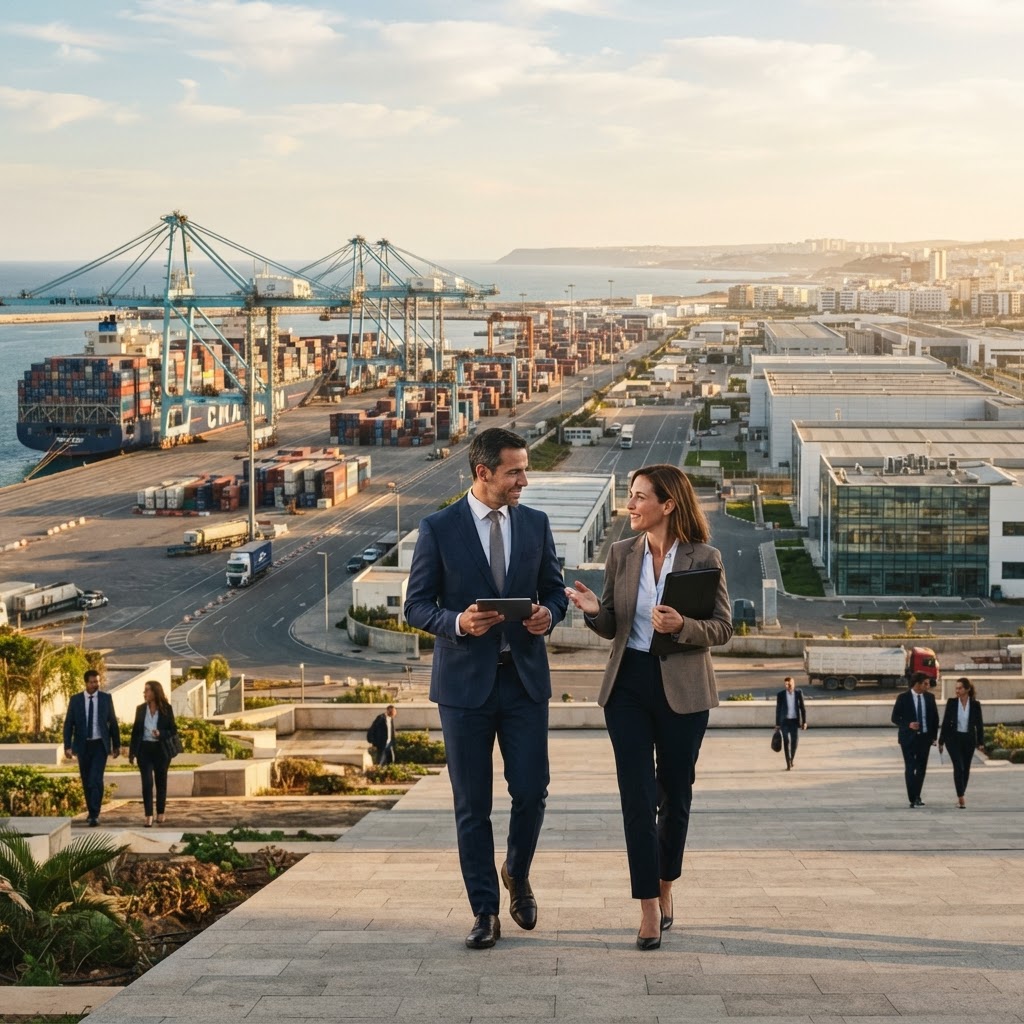
For those looking to invest Morocco, the industrial strategy provides a predictable framework for market entry. The government’s commitment to trade liberalization and structural reform means that investors benefit from a business-friendly environment that actively seeks to integrate foreign capital into local value chains. By aligning your project with these strategic sectors, you may gain access to streamlined administrative processes and targeted financial support.
Opportunities and Key Sectors
Morocco’s strategy identifies several high-growth sectors that are currently receiving significant state attention:
- Automotive: Morocco has become a leading automotive manufacturing hub in Africa, with a focus on both internal combustion and electric vehicle (EV) components.
- Aerospace: A rapidly maturing sector with a strong presence of global OEMs and tier-one suppliers.
- Renewable Energy: Leveraging the country’s solar and wind potential, the strategy aims for 52% of installed capacity to be renewable by 2030.
- Agro-food and Pharmaceuticals: High-value processing and manufacturing aimed at both domestic and export markets.
Locations and Industrial Zones
Industrial activity is concentrated in specialized zones designed to facilitate logistics and export. Key locations include:
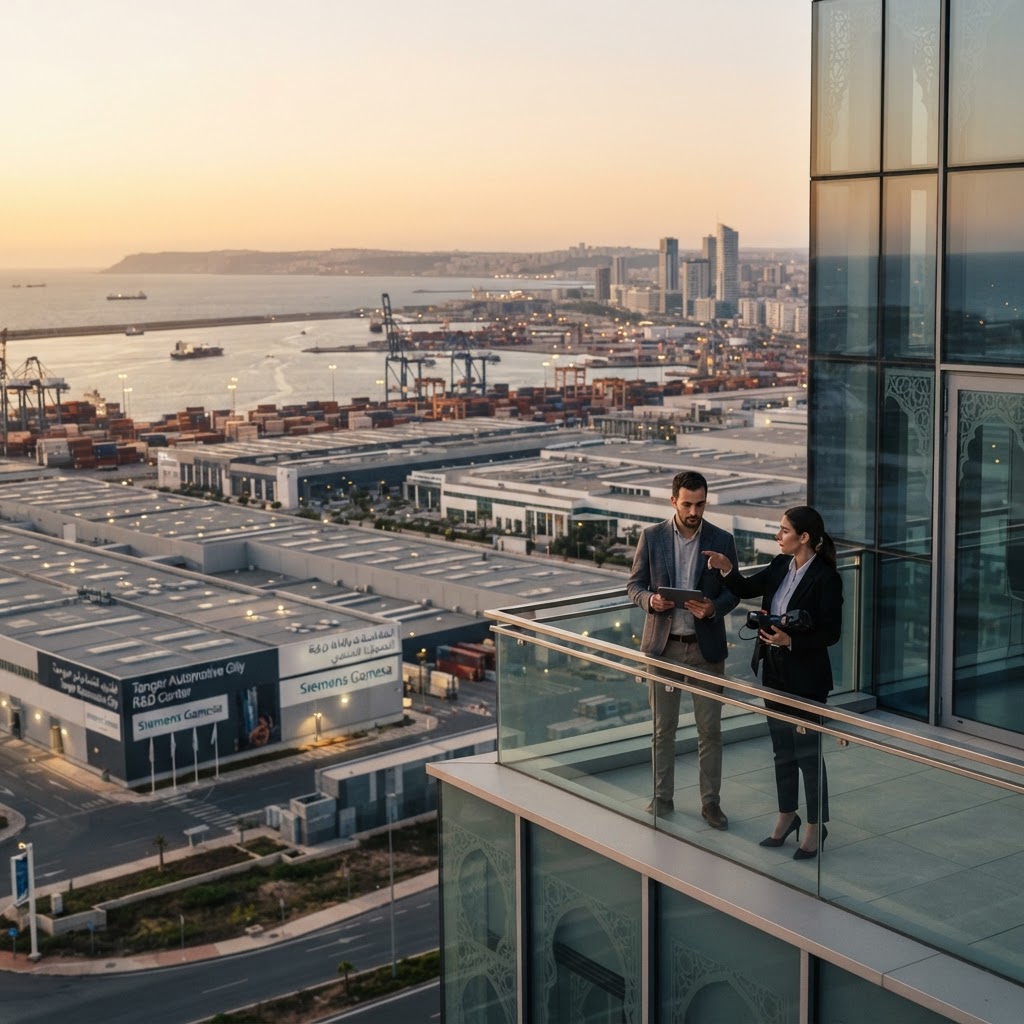
- Tangier and Kenitra: The primary hubs for automotive and high-tech manufacturing, benefiting from proximity to European markets and expanded Industrial Acceleration Zones.
- Casablanca: The commercial heart of the country, hosting significant aerospace and offshoring clusters.
- Fes and Agadir: Emerging regions focusing on agro-industry and regional manufacturing integration.
Infrastructure and Ecosystem
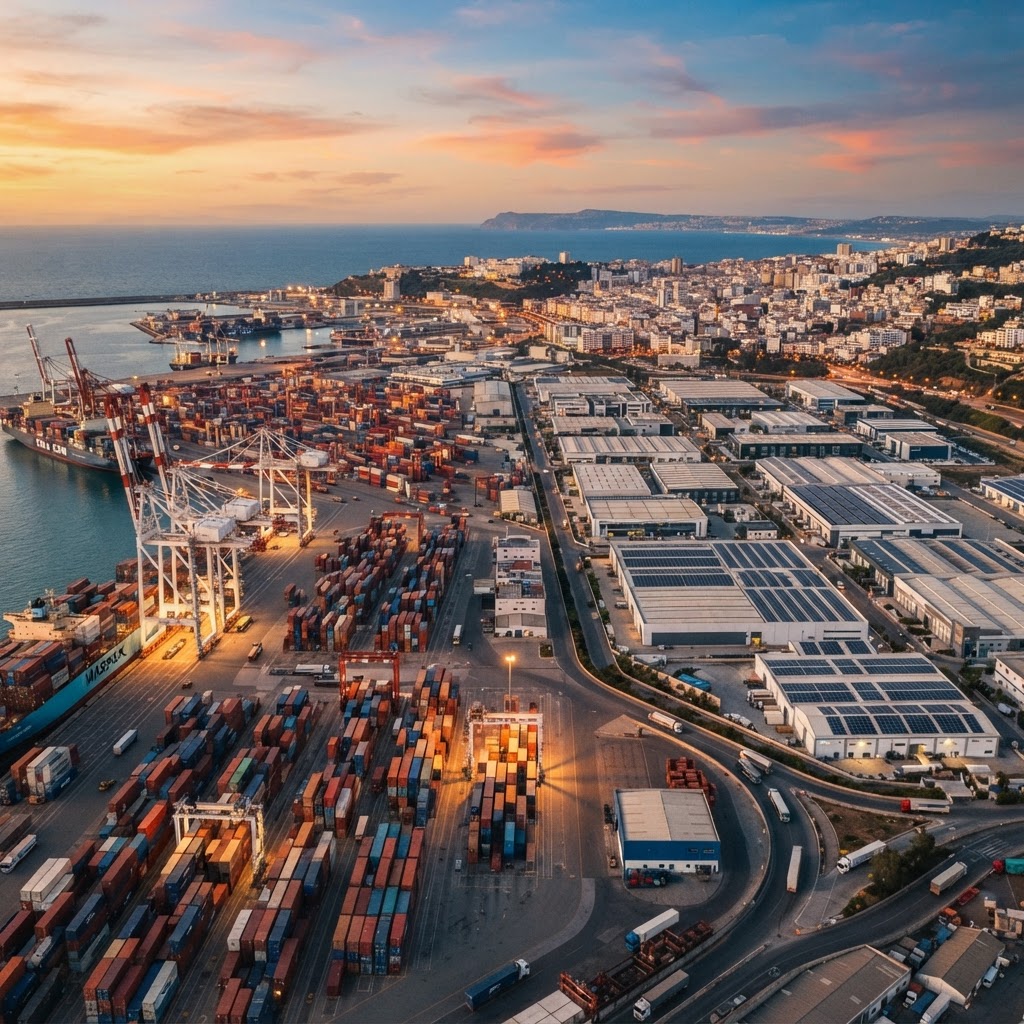
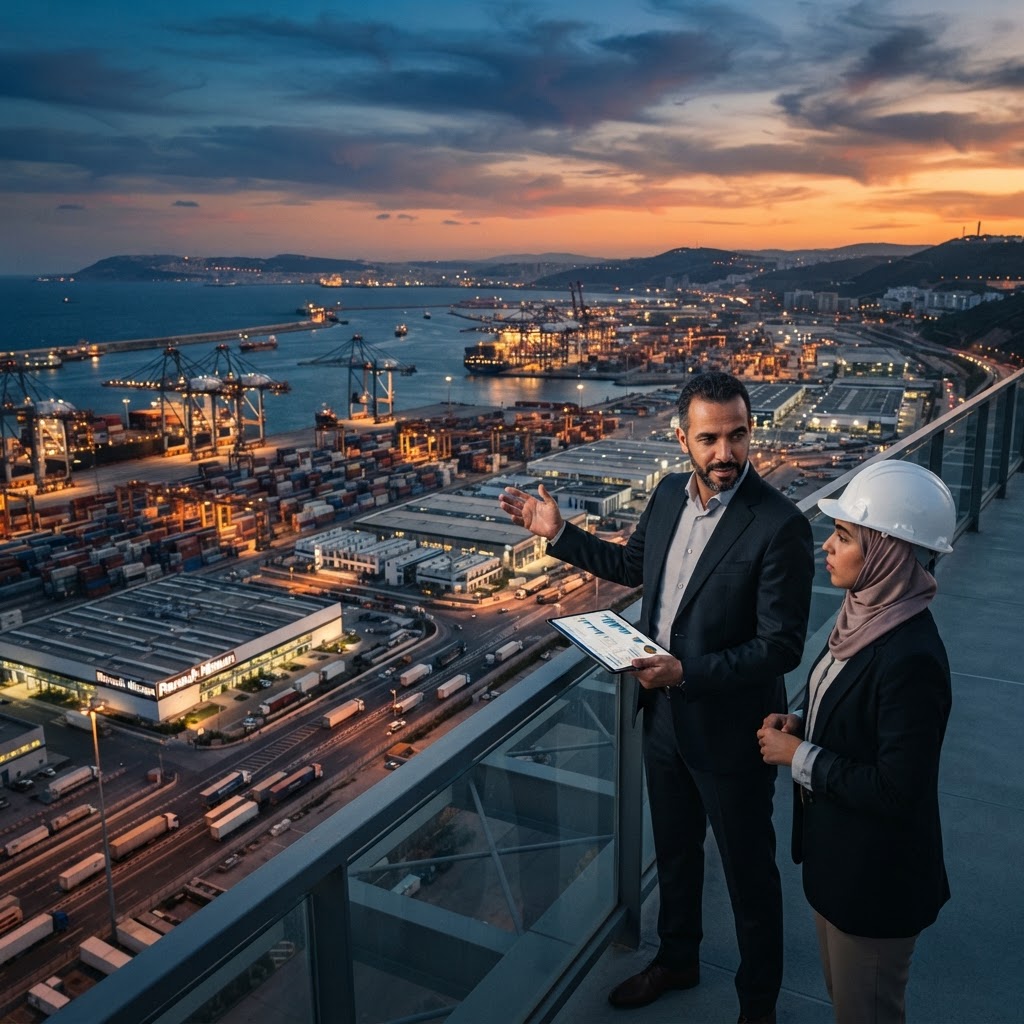
Morocco’s infrastructure is a cornerstone of its industrial strategy. The country boasts world-class logistics, including the Tanger Med port, which connects Morocco to over 180 global ports. The ecosystem is supported by vocational training centers tailored to the needs of specific industries, ensuring that the workforce is prepared for the technical demands of modern manufacturing.
Incentives and Regulations
The 2026 Investment Charter (Law 03-22) is the primary vehicle for incentivizing new projects. Investors may be eligible for grants covering up to 30% of the total investment amount, depending on the project's impact on job creation, regional development, and technological innovation. Regulations are subject to periodic updates, and investors are encouraged to conduct a thorough review of current tax exemptions and customs benefits available within the Industrial Acceleration Zones.
Risks and Challenges
While the investment climate is favorable, investors should remain aware of potential challenges. These include navigating complex administrative procedures, managing the transition to a green economy, and ensuring compliance with evolving labor and environmental regulations. Success in the Moroccan market often requires a long-term perspective and a commitment to local partnership.
Investor Considerations
Before committing capital, investors should evaluate how their project aligns with the national industrial priorities. Engaging with local stakeholders and understanding the specific requirements of the Industrial Acceleration Zones can significantly improve project outcomes. For personalized guidance on navigating these opportunities, you can request a consultation via our enquiry page.
Sources
- Ministry of Industry and Trade (PAI documentation)
- U.S. Department of State (2025 Investment Climate Statement)
- EBRD (Morocco Country Strategy 2024-2029)
- Maroc.ma (Governmental decrees on industrial zones)
- InvestMorocco.ai (Internal research and blog archives)
Planning an Investment in Morocco?
InvestMorocco.ai supports investors, companies and project developers with market intelligence, feasibility, market entry, site selection, local partnerships, supplier sourcing and investment project support across Morocco.
Discuss your project: