Introduction
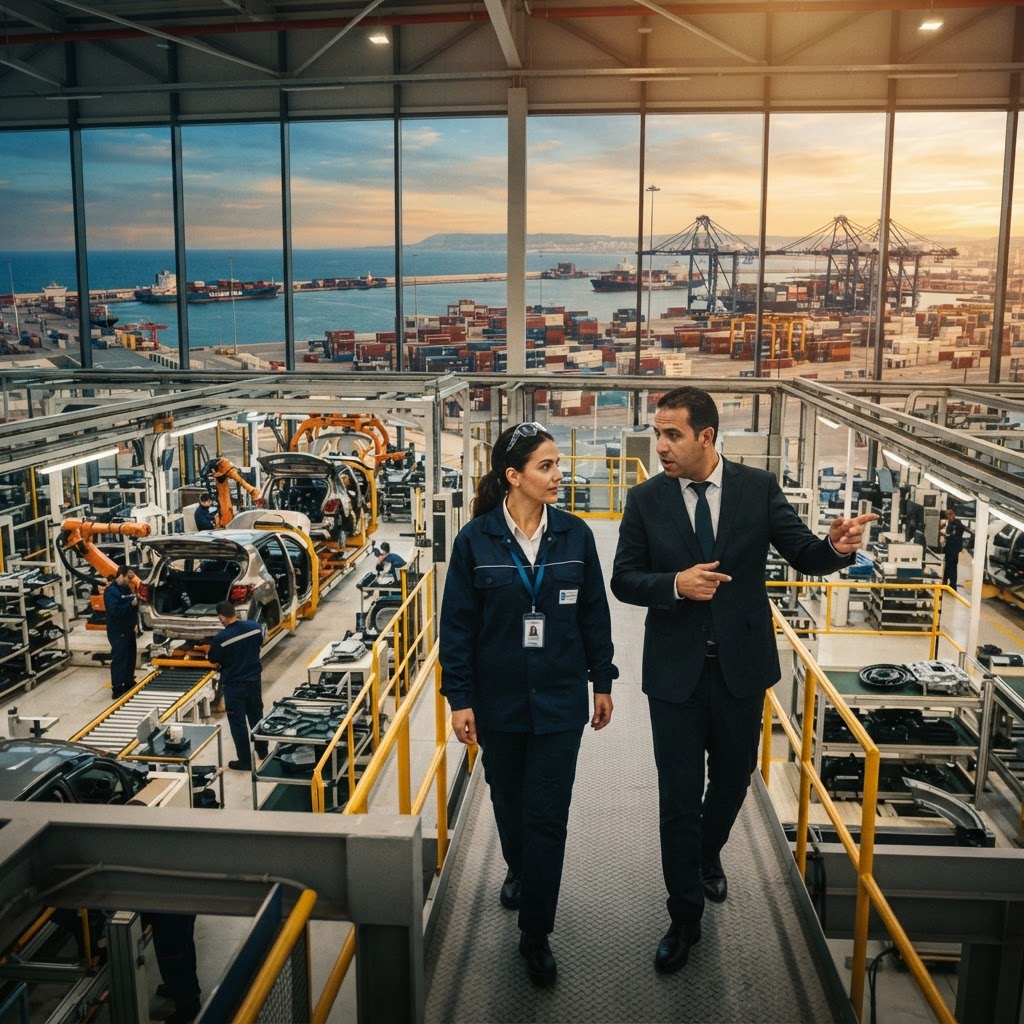
Morocco has strategically positioned itself as a premier industrial and logistics hub, bridging the gap between Europe, Africa, and the Middle East. By leveraging its geographic location, political stability, and a robust network of free trade agreements, the Kingdom has successfully transitioned from a traditional economy to a competitive, export-oriented industrial powerhouse. This transformation is supported by a clear national vision that prioritizes high-value-added sectors and the integration of global value chains.
The national export strategy is not merely about increasing trade volumes; it is a comprehensive framework designed to attract foreign direct investment (FDI), foster industrial ecosystems, and enhance the competitiveness of Moroccan products on the global stage. For international investors, understanding this strategy is essential for identifying high-growth opportunities and aligning business objectives with the country’s long-term economic roadmap.
Quick Answer
Morocco’s export strategy focuses on transforming the country into a global manufacturing and service hub by developing specialized industrial ecosystems, such as automotive, aeronautics, and renewable energy. It leverages aggressive investment incentives, world-class infrastructure, and extensive free trade agreements to attract foreign capital and boost high-value-added exports to international markets.
Market Overview
The Moroccan export landscape is defined by its shift toward sophisticated industrial sectors. Over the past two decades, the government has implemented structural reforms to move away from low-value commodity exports toward complex manufacturing. According to reports from the Moroccan Agency for Investment and Export Development (AMDIE), the country has successfully established over 50 industrial ecosystems across various clusters, which serve as the backbone of its export performance.
Key sectors driving this growth include:
- Automotive: Morocco has emerged as a leading African producer of passenger vehicles, with significant annual production capacity.
- Aeronautics: A world-class ecosystem that has attracted major global aerospace players.
- Renewable Energy: A cornerstone of the country’s decarbonization and export-led growth strategy.
- Offshoring and Digital Services: A rapidly growing sector that generated over 26 billion dirhams in service exports by the end of 2024.
- Agro-industry and Pharmaceuticals: High-potential sectors benefiting from increased investment in processing and quality standards.
Why It Matters to Investors
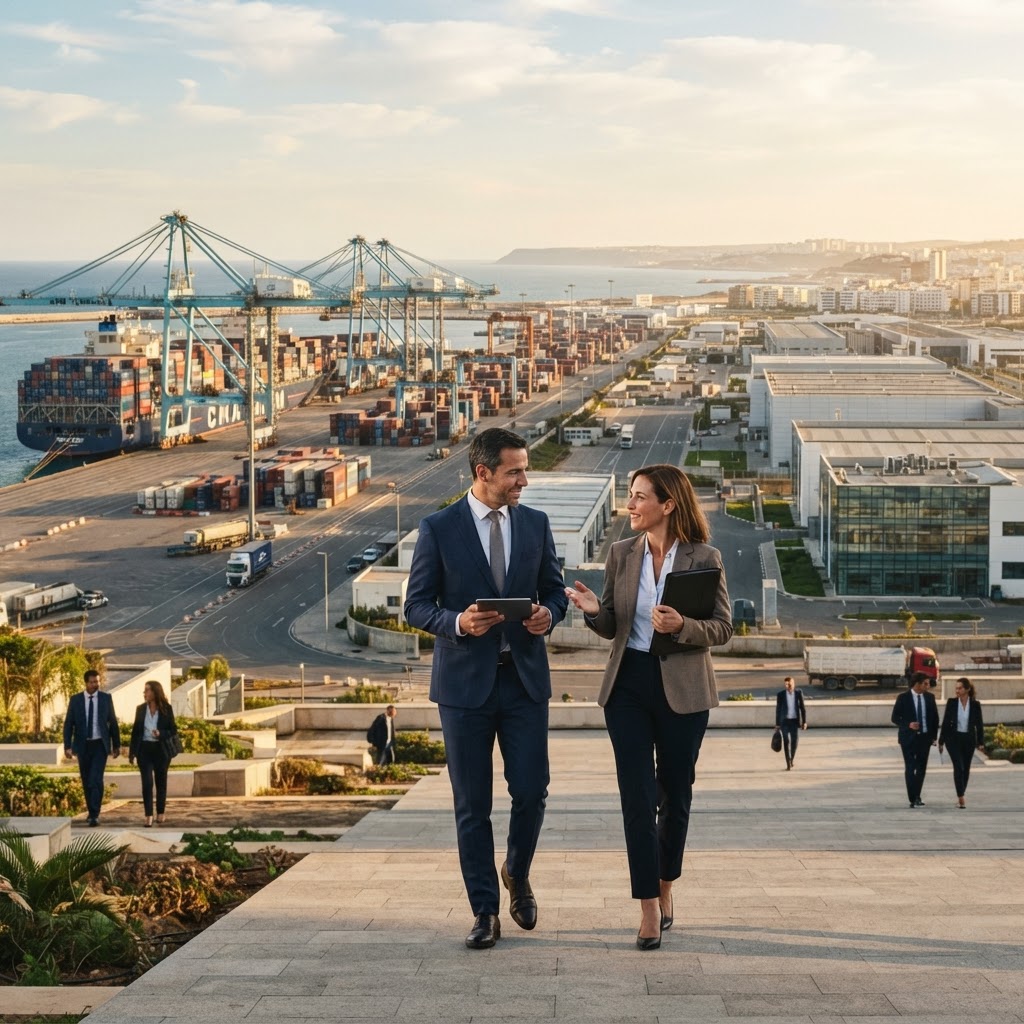
For investors, Morocco’s export strategy provides a stable and predictable environment for long-term capital deployment. The government’s commitment to trade liberalization and the expansion of the private sector creates a favorable climate for international companies looking to de-risk their supply chains. By aligning with these national priorities, investors can access significant fiscal incentives and benefit from the country’s role as a "Gateway to Africa."
Opportunities and Locations
Investment opportunities are concentrated in specialized industrial zones designed to facilitate export operations. Key locations include:
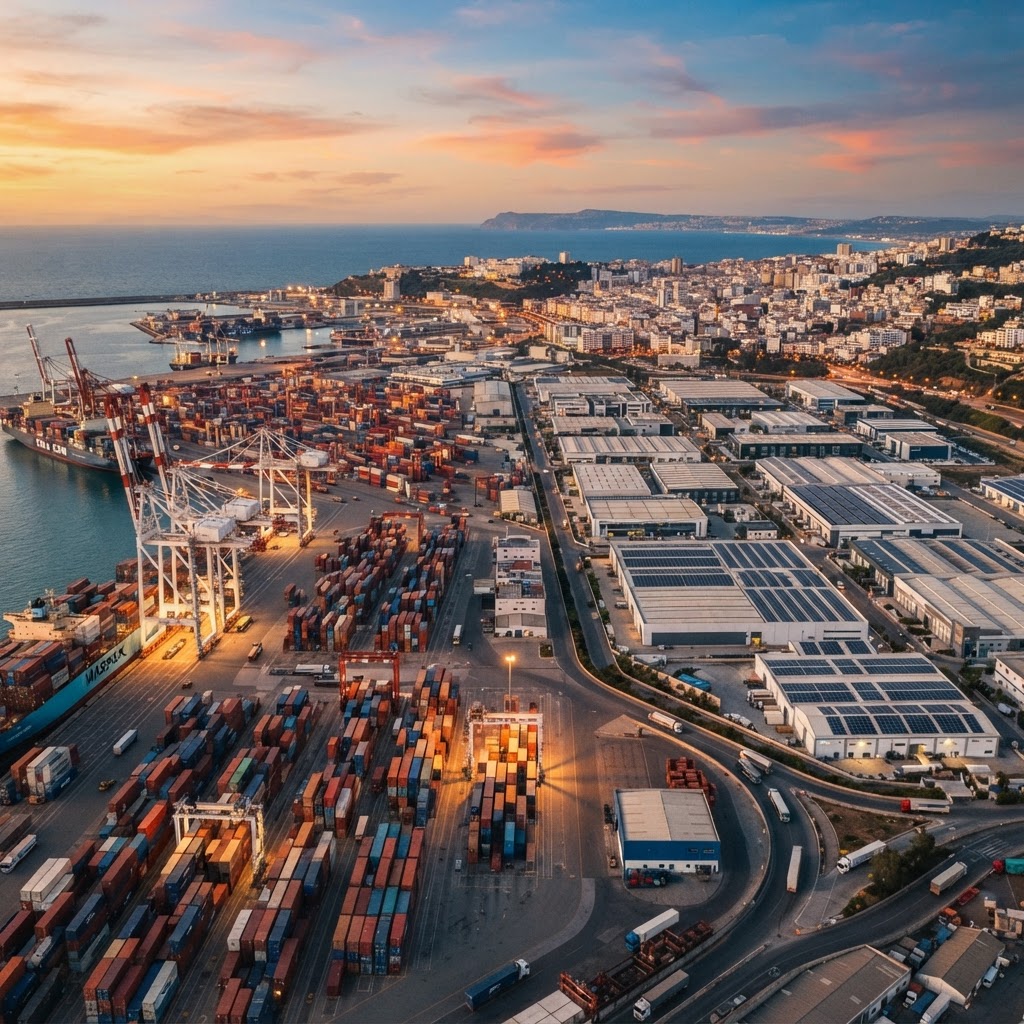
- Tangier Med: A world-class port and industrial complex that serves as the primary gateway for exports to Europe.
- Casablanca and Kenitra: Major hubs for automotive and industrial manufacturing.
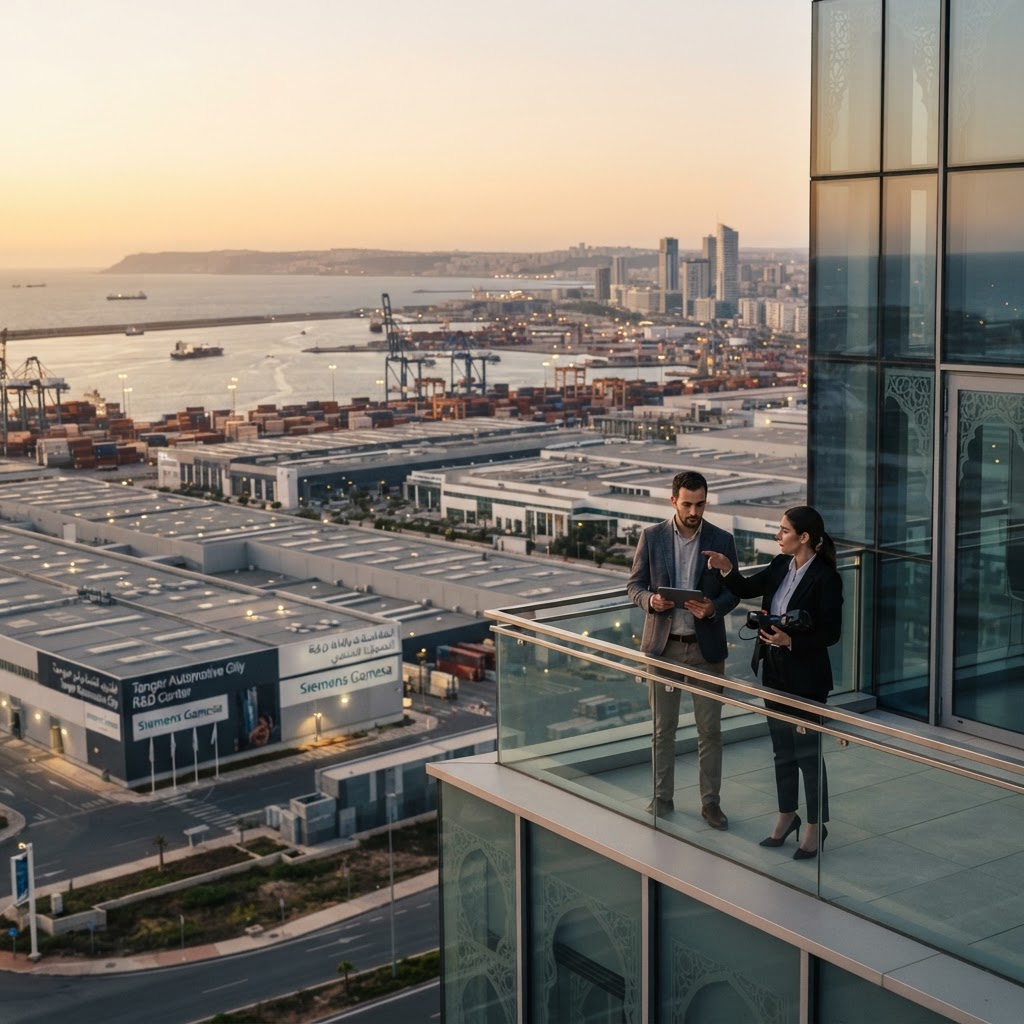
- Rabat and Technopolis: Key centers for offshoring, digital services, and R&D.
Investors are encouraged to explore these regions to leverage existing infrastructure and proximity to skilled labor pools. For personalized guidance on site selection, you may visit our enquiry page.
Incentives and Regulations
The 2022 Investment Charter serves as the cornerstone of Morocco’s current incentive framework. It provides a range of financial and non-financial support mechanisms, including subsidies for land acquisition, training, and infrastructure development. These incentives are particularly targeted at projects that contribute to job creation, regional development, and the adoption of sustainable technologies. Regulations are generally pro-business, with ongoing efforts to simplify administrative procedures and enhance the transparency of the investment process.
Risks and Challenges
While the investment climate is highly favorable, investors should remain cognizant of certain challenges. The state maintains a significant presence in specific sectors like utilities and transport, which may impact market entry for private players. Additionally, while industrial ecosystems are growing, there is a continuous effort to improve the integration of local SMEs into global value chains. Investors should conduct thorough due diligence and consider the evolving regulatory landscape regarding decarbonization and environmental standards.
Investor Considerations
Successful investment in Morocco requires a strategic approach that balances local market integration with global export goals. Investors should prioritize projects that align with the government’s focus on sustainability, digital transformation, and high-value manufacturing. Engaging with local partners and utilizing the support services provided by agencies like AMDIE can significantly streamline the establishment process.
Sources
- Moroccan Agency for Investment and Export Development (AMDIE)
- U.S. Department of State - 2025 Investment Climate Statement
- European Bank for Reconstruction and Development (EBRD) - Morocco Country Strategy 2024-2029
- Morocco Now - Investment and Export Promotion
- Office des Changes
Planning an Investment in Morocco?
InvestMorocco.ai supports investors, companies and project developers with market intelligence, feasibility, market entry, site selection, local partnerships, supplier sourcing and investment project support across Morocco.
Discuss your project: