
Introduction
Morocco has positioned itself as a global leader in the energy transition, transforming its national landscape from a heavy reliance on imported hydrocarbons to a hub for renewable energy production. Since the inception of its National Energy Strategy in 2009, the Kingdom has implemented a series of legislative and institutional reforms designed to secure energy independence, reduce carbon emissions, and foster a sustainable, green economy. For foreign investors, this shift represents a significant opportunity to participate in one of the most stable and ambitious energy markets in the MENA region.
The strategy is not merely an environmental commitment but a core pillar of Morocco's economic development. By leveraging its unique geographical advantages—including high solar irradiation and consistent wind patterns—Morocco is actively creating an enabling environment for private sector participation, infrastructure development, and technological innovation.
Quick Answer
Morocco’s energy strategy is a comprehensive national roadmap aimed at achieving 52% of its installed electricity capacity from renewable sources by 2030. The strategy focuses on diversifying the energy mix, promoting energy efficiency, and liberalizing the power sector to attract private investment and reduce dependence on imported fossil fuels.
Market Overview
Historically, Morocco has been dependent on energy imports for approximately 90% of its needs. To mitigate this vulnerability, the government launched a strategic plan to overhaul its energy infrastructure. As of 2023, renewable energy capacity has reached over 40% of the total mix, with the government signaling that it may reach its 52% target ahead of the 2030 deadline. The market is governed by key institutions such as the Moroccan Agency for Sustainable Energy (MASEN) and the National Electricity Regulatory Authority (ANRE), which ensure regulatory clarity and market stability.
Why It Matters to Investors
The transition offers a predictable, long-term investment horizon supported by state-backed commitments. Investors benefit from a clear legal framework, including Law No. 13-09 on renewable energies and recent updates regarding self-generation. The government’s focus on green hydrogen, solar, and wind projects creates a robust pipeline for international capital, engineering, and technology firms looking to enter the Moroccan market.
Opportunities
- Solar and Wind Projects: Large-scale utility projects remain the backbone of the strategy.
- Green Hydrogen: Morocco is positioning itself as a future exporter of green hydrogen to Europe.
- Self-Generation: New regulations allow industrial players to produce their own electricity, reducing operational costs.
- Energy Efficiency: Technologies aimed at reducing consumption by 15% by 2030 are in high demand.
Locations
Key energy projects are strategically distributed across the Kingdom:
- Ouarzazate: Home to the world-renowned Noor Solar Power Station.
- Tarfaya and Laayoune: Major hubs for wind energy production due to favorable coastal conditions.
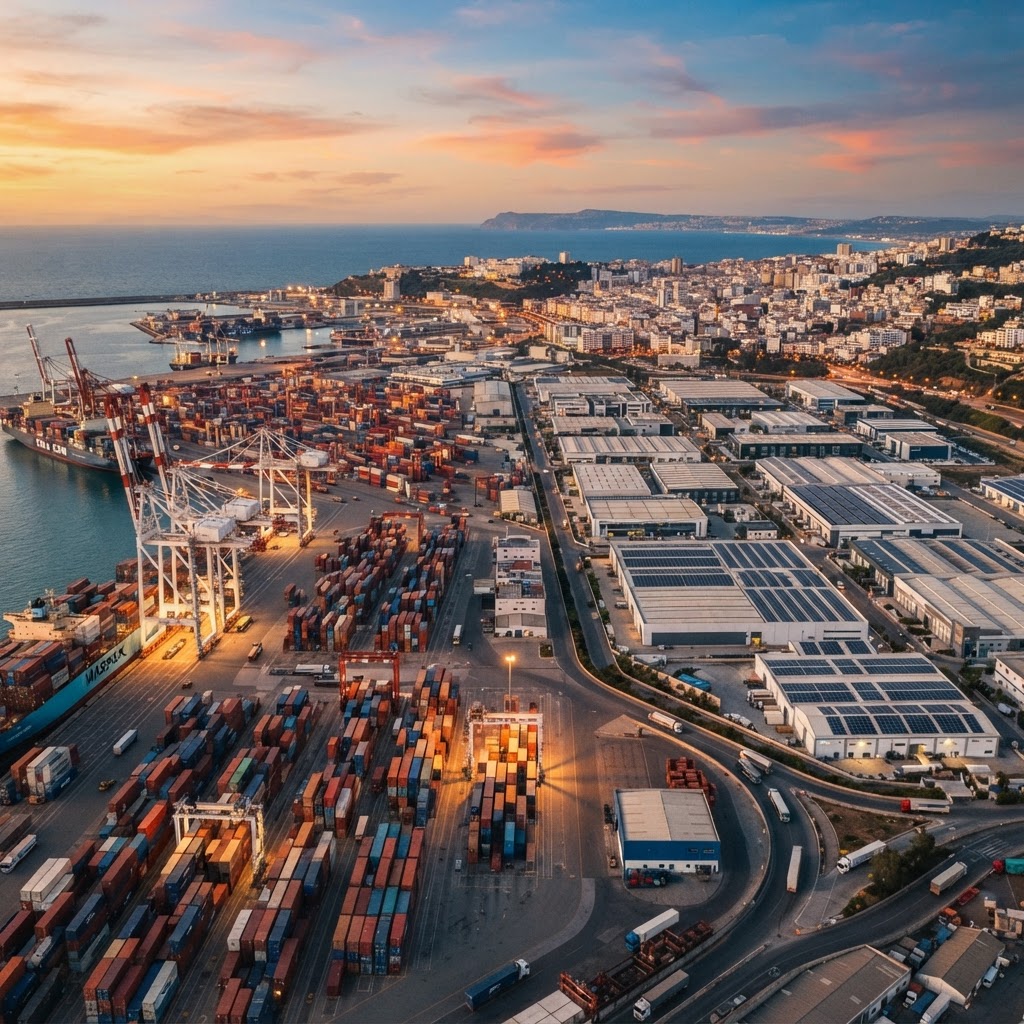
- Tangier-Med Industrial Zone: A critical location for energy-intensive manufacturing and green logistics.
- Jorf Lasfar: A primary industrial port supporting energy infrastructure and heavy industry.
Incentives and Regulations
The Moroccan Investment Charter provides a framework for incentives, including potential tax exemptions, customs duty relief, and land subsidies for strategic projects. Regulatory bodies like ANRE are actively working to streamline the permitting process for private developers. Investors are encouraged to review the specific provisions of Law No. 82-21, which governs electricity self-generation, to understand how they can optimize their energy costs. For personalized guidance on navigating these regulations, visit our enquiry page.
Risks and Challenges
While the market is pro-business, investors should account for variables such as grid integration requirements, the complexity of large-scale land acquisition, and the need for local content compliance. Projects often require extensive environmental and social impact assessments to ensure alignment with community development goals, as seen in the MASEN-led social development plans.
Investor Considerations
Success in the Moroccan energy sector requires a long-term perspective and a strong local partnership strategy. Investors should prioritize projects that align with the national goal of local industrial integration. Understanding the interplay between the national grid operator (ONEE) and private developers is essential for project bankability.
Sources
This analysis is informed by data and reports from the Moroccan Agency for Sustainable Energy (MASEN), the National Electricity Regulatory Authority (ANRE), the Ministry of Energy Transition and Sustainable Development, the World Bank, and the International Renewable Energy Agency (IRENA).
Planning an Investment in Morocco?
InvestMorocco.ai supports investors, companies and project developers with market intelligence, feasibility, market entry, site selection, local partnerships, supplier sourcing and investment project support across Morocco.
Discuss your project: