Introduction
Morocco has steadily positioned itself as a premier investment destination in Africa, bridging the gap between Europe, the Middle East, and Sub-Saharan Africa. Through a combination of political stability, proactive economic reforms, and massive infrastructure development, the Kingdom has created a business-friendly environment that attracts global manufacturers, service providers, and energy investors. For foreign entities, understanding the specific drivers of this growth is essential for successful market entry.
The country’s strategic vision, guided by high-level policy frameworks, focuses on industrial transformation, digital integration, and sustainable development. As investors evaluate their options, Morocco offers a unique value proposition that balances competitive operational costs with access to sophisticated logistics and a growing, skilled workforce.
Quick Answer
Morocco's competitive advantage lies in its strategic geographic location as a gateway to Africa and Europe, combined with world-class infrastructure like the Tangier-Med port. Furthermore, the country offers a stable macroeconomic environment, a highly competitive labor cost structure, and a robust Investment Charter that provides significant fiscal and financial incentives for foreign investors.
Market Overview
Morocco has demonstrated significant economic resilience. According to the World Bank, the economy has shown positive trends despite global challenges, with non-agricultural growth reaching an estimated 3.8 percent in 2024. The government continues to prioritize reforms to improve the business climate, focusing on sectors such as automotive, aerospace, renewable energy, and outsourcing. The country’s commitment to trade liberalization and its extensive network of free trade agreements make it an ideal export platform for international companies.
Why It Matters to Investors
For investors, Morocco represents a low-risk, high-potential entry point into the African market. The stability of the currency and the political framework provides a predictable environment for long-term capital allocation. By leveraging Morocco’s industrial zones, companies can benefit from integrated supply chains and proximity to major European markets, reducing lead times and logistics costs significantly.
Opportunities
Key sectors currently driving investment include:
- Automotive and Aerospace: Established industrial ecosystems with high-value manufacturing capabilities.
- Renewable Energy: Ambitious targets to reach 52% of installed capacity by 2030, offering opportunities in solar, wind, and green hydrogen.
- Outsourcing and Digital Services: A growing pool of multilingual talent makes Morocco a hub for nearshoring.
- Agro-industry: Leveraging the country’s agricultural base for high-value processing and export.
Locations
Investment is concentrated in several key hubs:
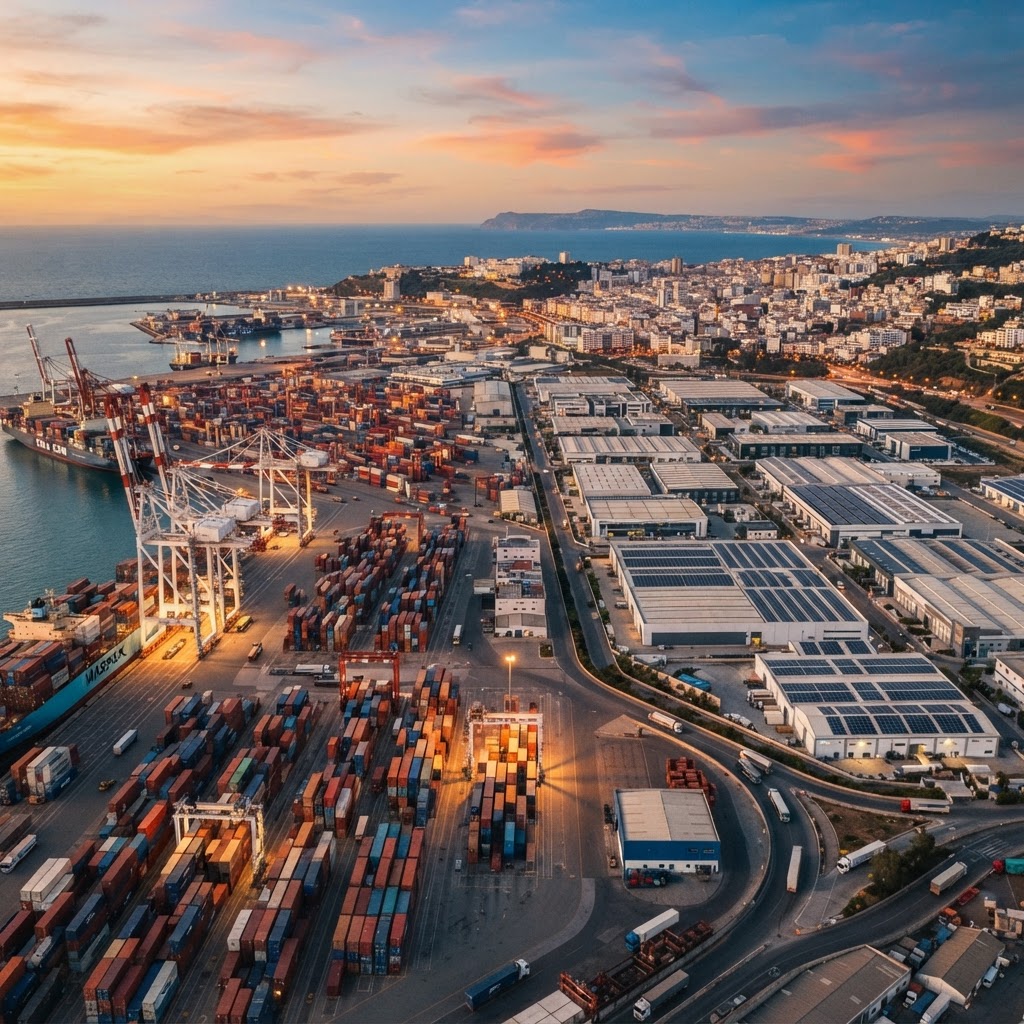
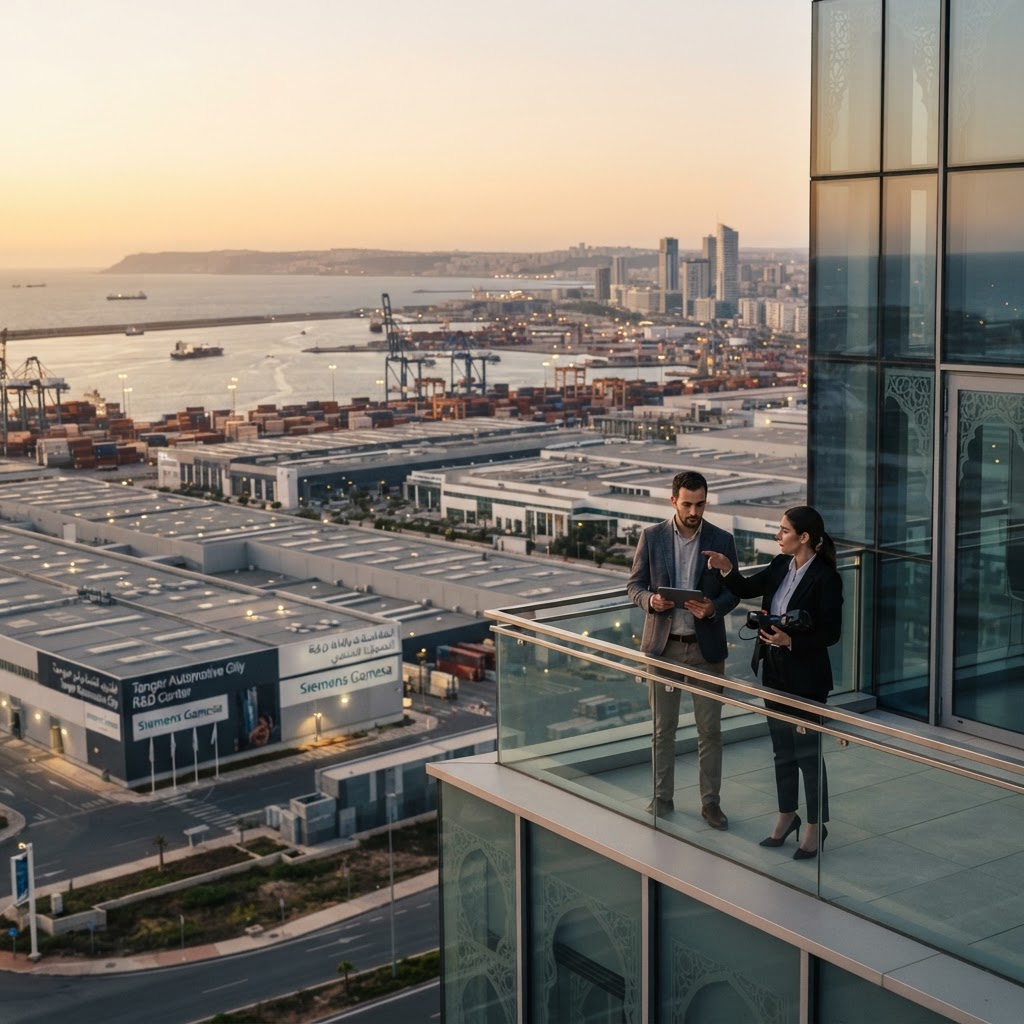
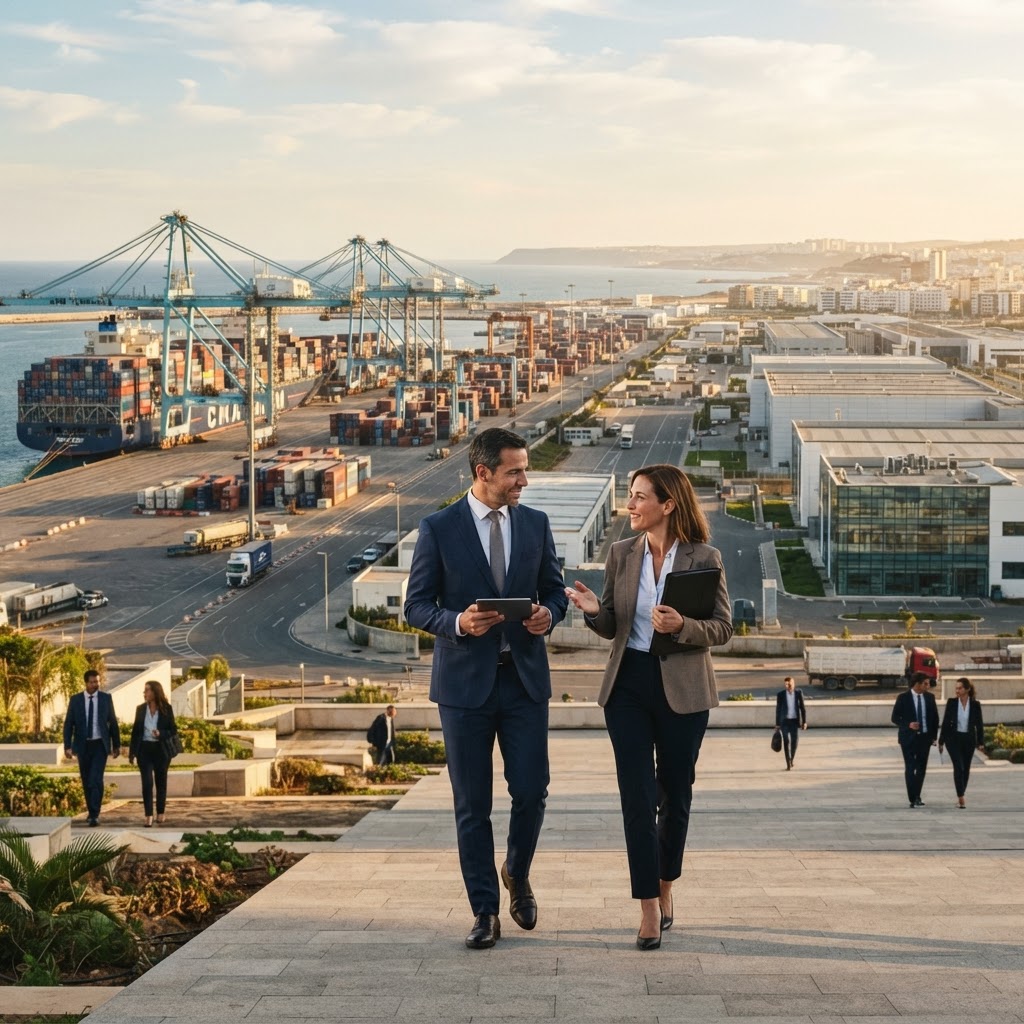
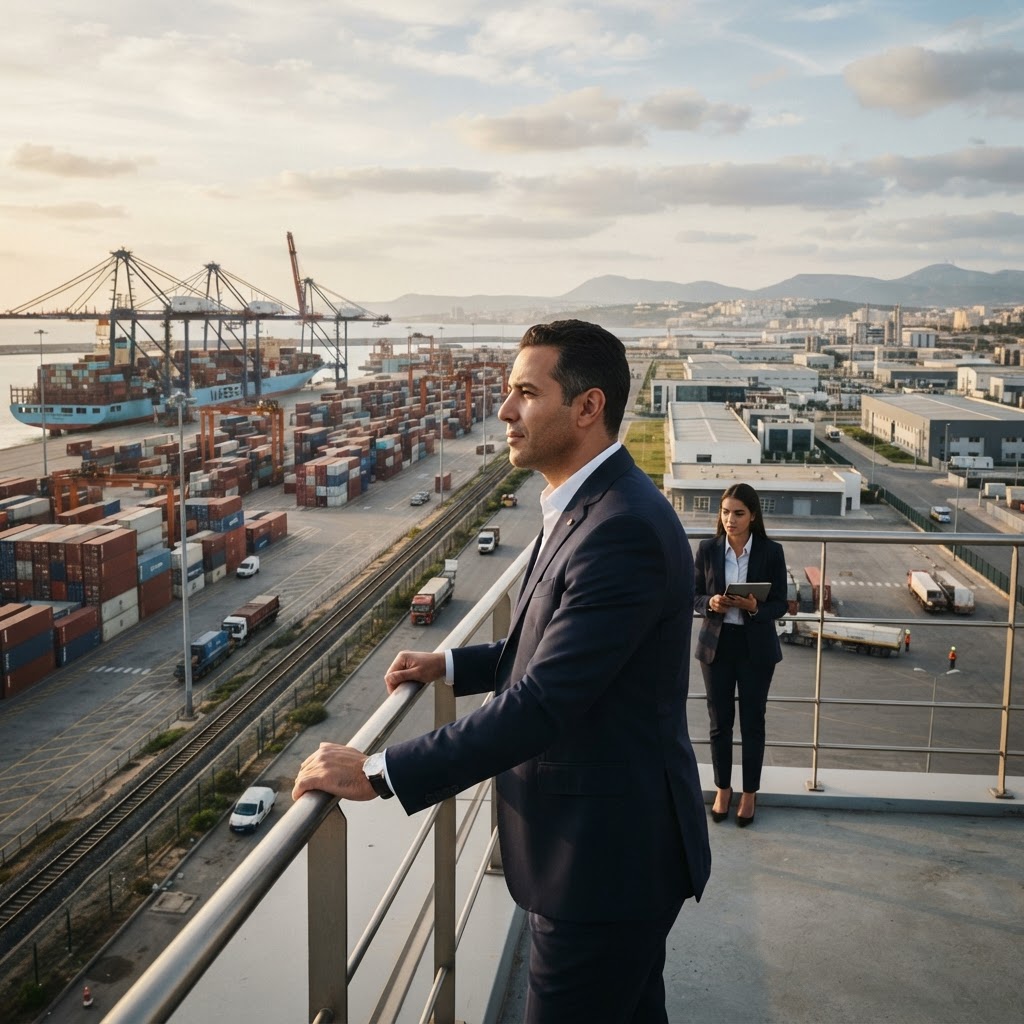
- Tangier: Home to the Tangier-Med port, a global transshipment hub, and extensive automotive industrial zones.
- Casablanca: The financial and commercial heart of the country, featuring the Casablanca Finance City (CFC) for regional service providers.
- Kenitra: A rapidly growing industrial zone focused on automotive and high-tech manufacturing.
Incentives
The 2022 Investment Charter is the cornerstone of Morocco’s current incentive strategy. It provides a standardized framework for both local and foreign investors, offering:
- Fiscal Incentives: Reductions in corporate tax and customs duties for qualifying projects.
- Financial Support: Direct subsidies for land acquisition, infrastructure development, and training programs.
- Regional Programs: Tailored support for projects located in less developed regions to promote inclusive growth.
Investors are encouraged to contact our team to discuss how these incentives may apply to specific project requirements.
Risks and Challenges
While the investment climate is favorable, investors should remain aware of potential challenges. These include regional disparities in infrastructure, a reliance on agricultural output which can be affected by climate conditions, and the need to navigate sector-specific regulatory requirements. Conducting thorough due diligence and engaging with local experts is recommended to mitigate these risks.
Sources
- World Bank, Morocco Economic Monitor (2025)
- U.S. Department of State, Investment Climate Statements (2024-2025)
- UNCTAD, World Investment Report (2024)
- Kingdom of Morocco, Official Portal (Maroc.ma)
- Bank Al-Maghrib, Economic Reports
Planning an Investment in Morocco?
InvestMorocco.ai supports investors, companies and project developers with market intelligence, feasibility, market entry, site selection, local partnerships, supplier sourcing and investment project support across Morocco.
Discuss your project: