
Introduction
Morocco has strategically positioned itself as a premier gateway for international trade, leveraging its geographic location at the crossroads of Europe, Africa, and the Middle East. For foreign investors, understanding the country's extensive network of Free Trade Agreements (FTAs) is essential for evaluating market access, supply chain optimization, and export potential. By actively pursuing trade liberalization, Morocco has created a business-friendly environment that facilitates the movement of goods, services, and capital across borders.
The Kingdom’s commitment to economic integration is reflected in its diverse portfolio of bilateral and multilateral agreements. These frameworks not only reduce tariff barriers but also provide a stable legal foundation for cross-border operations, making it a compelling destination for companies looking to scale their international footprint.
Quick Answer
Morocco maintains a robust network of over 50 free trade agreements, most notably with the European Union, the United States, and various African nations through the African Continental Free Trade Area (AfCFTA). These agreements provide preferential market access, reduce customs duties, and establish standardized regulatory frameworks for investors operating within the Kingdom.
Market Overview
Morocco’s trade policy is designed to integrate the national economy into global value chains. The EU-Morocco Association Agreement, which entered into force in 2000, remains a cornerstone of the country's trade strategy, covering industrial goods and providing a framework for deep economic cooperation. Similarly, the United States-Morocco Free Trade Agreement, effective since 2006, has been instrumental in fostering bilateral investment and trade by eliminating barriers and enhancing transparency in sectors such as telecommunications, financial services, and agriculture.
Beyond these major partners, Morocco is a key player in the African Continental Free Trade Area (AfCFTA), which aims to create a single market for goods and services across the continent. This participation underscores Morocco's role as a bridge between African markets and the rest of the world.
Why It Matters to Investors
For businesses considering a morocco investment, these FTAs serve as a competitive advantage. They allow companies to manufacture or assemble products in Morocco and export them to major global markets with reduced or zero tariffs. Furthermore, the legal protections embedded in these agreements—such as intellectual property rights, dispute settlement mechanisms, and investment guarantees—provide a layer of security that is vital for long-term capital allocation.
Opportunities and Locations
Investors can leverage these trade benefits by establishing operations in specialized industrial zones. Key locations include:
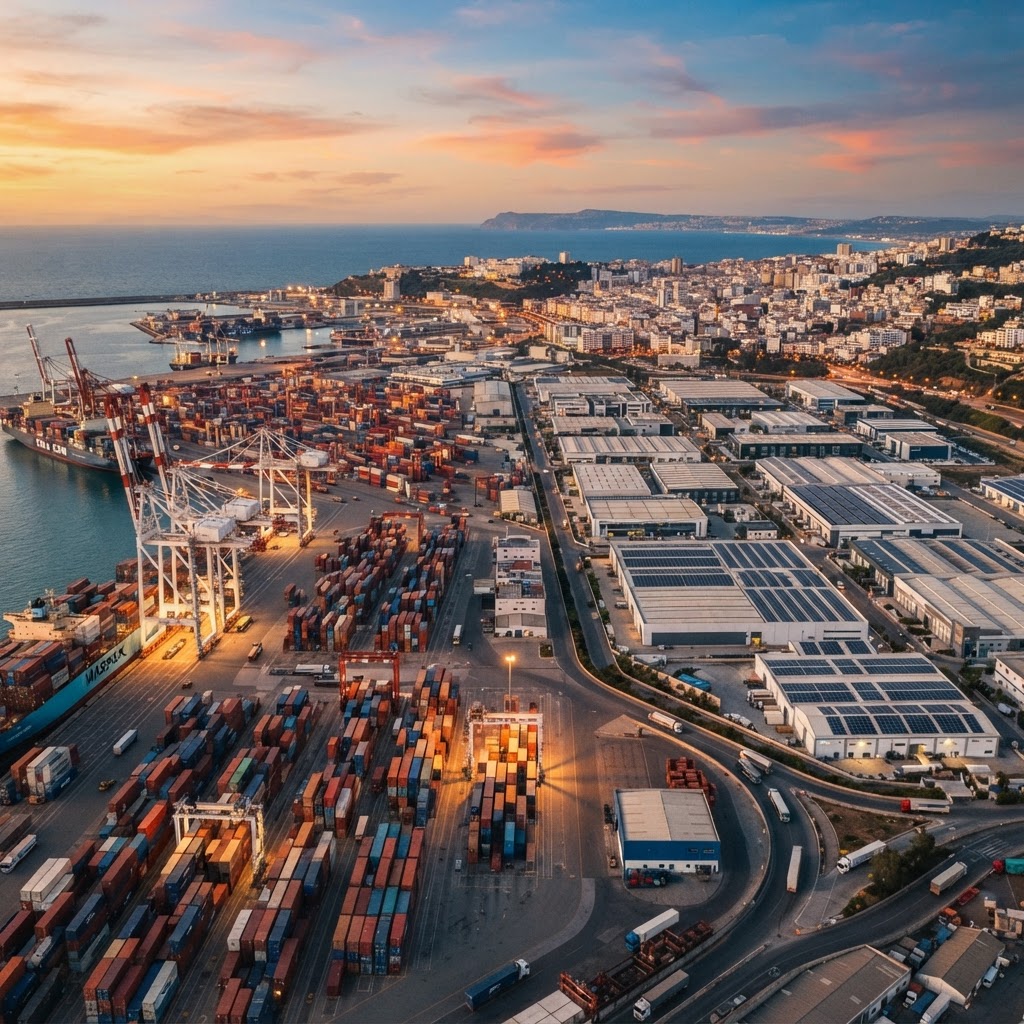
- Tangier Med Port and Industrial Platform: A world-class logistics hub ideal for automotive, aerospace, and textile manufacturing.
- Casablanca Finance City (CFC): A regional hub for financial services and corporate headquarters.
- Kenitra Atlantic Free Zone: A rapidly growing center for automotive supply chains.
These zones often offer additional incentives, including tax holidays and streamlined administrative procedures, which complement the benefits provided by national FTAs.
Infrastructure and Workforce
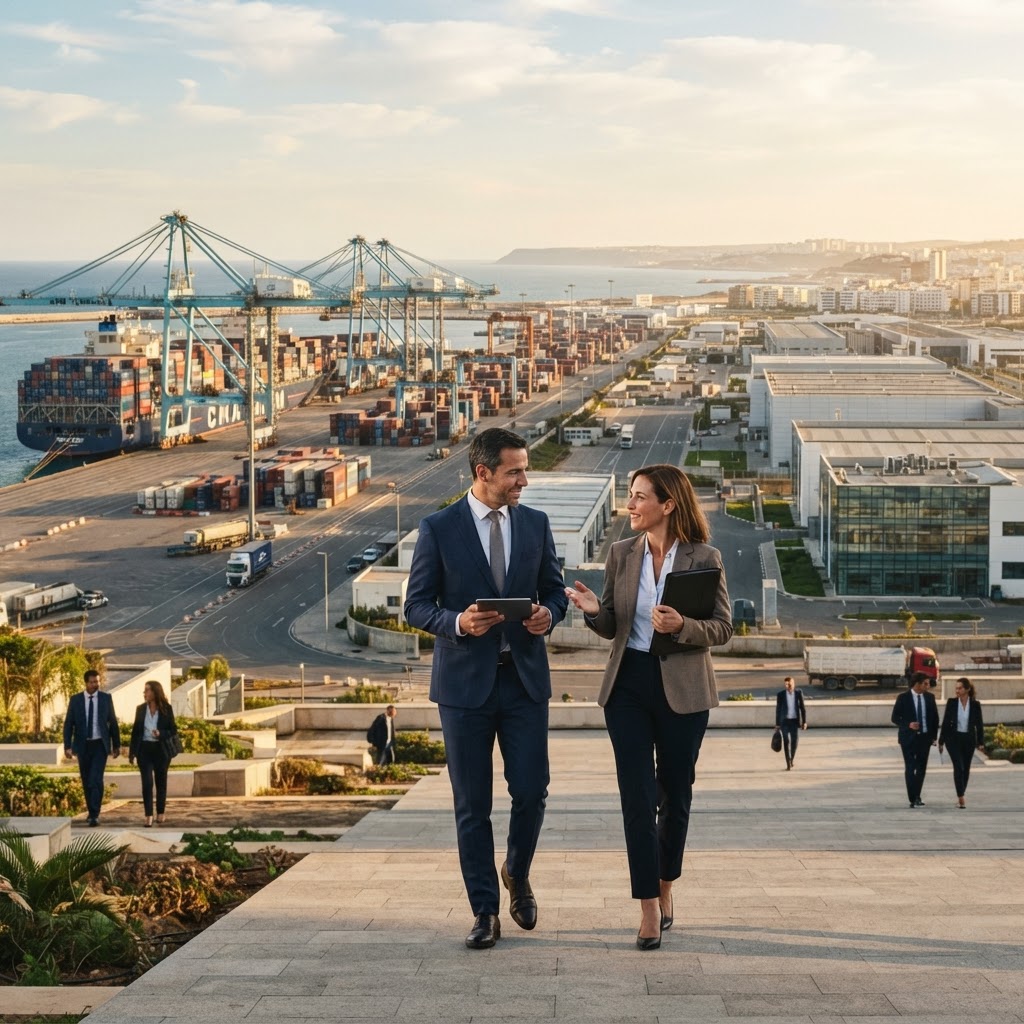
Morocco has invested heavily in its infrastructure to support its trade ambitions. The country boasts modern port facilities, an extensive highway network, and high-speed rail connectivity. According to recent reports, the government continues to prioritize infrastructure development to bridge investment gaps and support the 2030 FIFA World Cup preparations. The workforce is increasingly skilled, particularly in technical fields like engineering, automotive assembly, and renewable energy, supported by national vocational training programs.
Incentives and Regulations
The Moroccan Investment Charter provides a comprehensive framework for supporting both domestic and foreign projects. Investors may benefit from regional incentives, subsidies for job creation, and support for sustainable development projects. Regulations are subject to periodic updates, and investors are encouraged to consult with local authorities or professional advisors to ensure compliance with the latest requirements. For specific guidance on your project, you can submit an enquiry to our team.
Risks and Challenges
While the trade environment is favorable, investors should remain mindful of potential challenges. These include navigating complex customs procedures, staying updated on evolving regulatory requirements, and managing currency fluctuations. Conducting thorough due diligence and engaging with local legal and financial experts is a standard practice for mitigating these risks.
Sources
- International Trade Administration (ITA) - Morocco Trade Agreements
- Office of the United States Trade Representative (USTR)
- World Trade Organization (WTO) - Trade Policy Review
- International Trade Administration (ITA) - Infrastructure
Planning an Investment in Morocco?
InvestMorocco.ai supports investors, companies and project developers with market intelligence, feasibility, market entry, site selection, local partnerships, supplier sourcing and investment project support across Morocco.
Discuss your project: