
Understanding the Political Risk Landscape in Morocco
For international investors, Morocco represents a compelling intersection of strategic geography, institutional stability, and proactive industrial policy. As the nation positions itself as a primary manufacturing and logistics hub connecting Europe, Sub-Saharan Africa, and the Middle East, understanding the nuances of its political environment is essential for long-term capital allocation. While the country is widely recognized for its stability, investors must evaluate how structural socio-economic factors and regional dynamics influence the business climate.
Quick Answer
Morocco is characterized by high levels of institutional stability anchored by the monarchy, which provides a consistent long-term vision for economic development. While the country faces manageable political risks related to social inequality, youth unemployment, and external economic dependencies, it remains one of the most stable and business-friendly environments in the North African region.
Market Overview and Institutional Stability
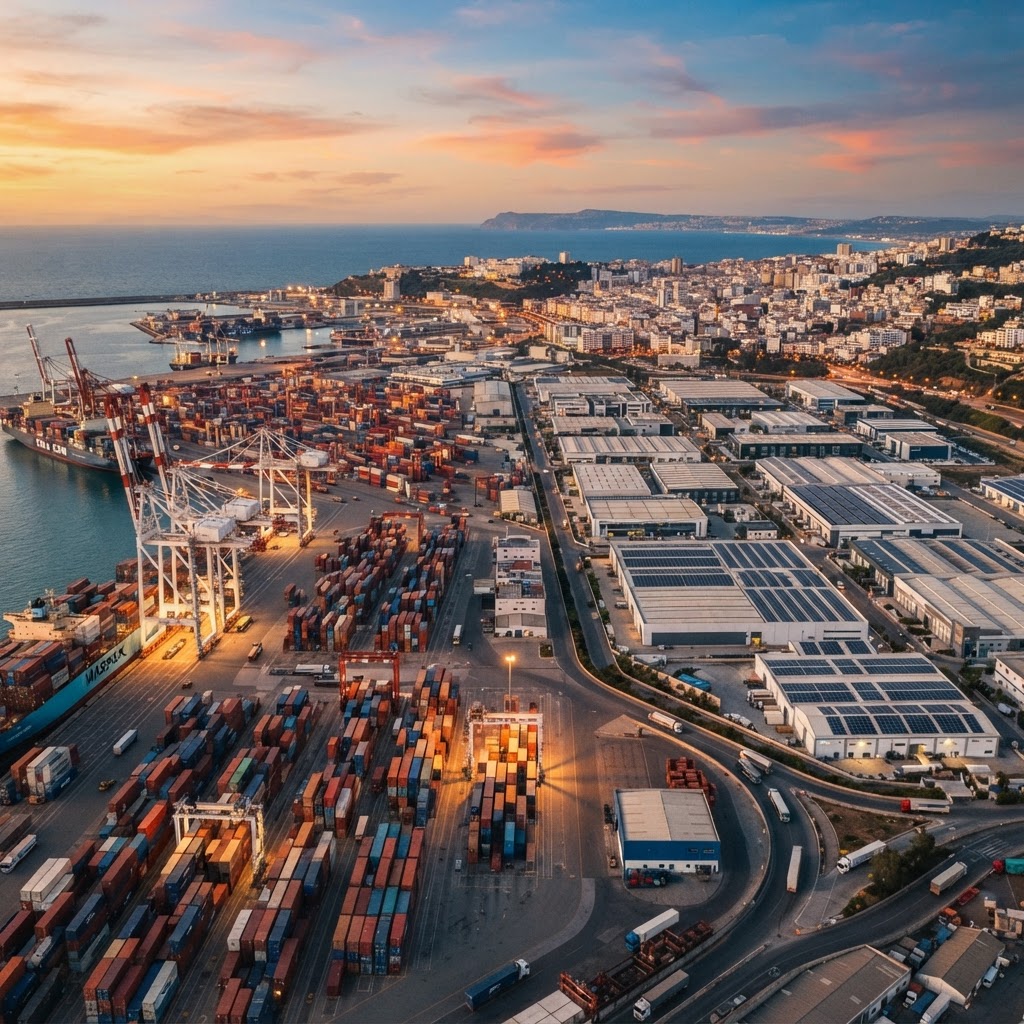
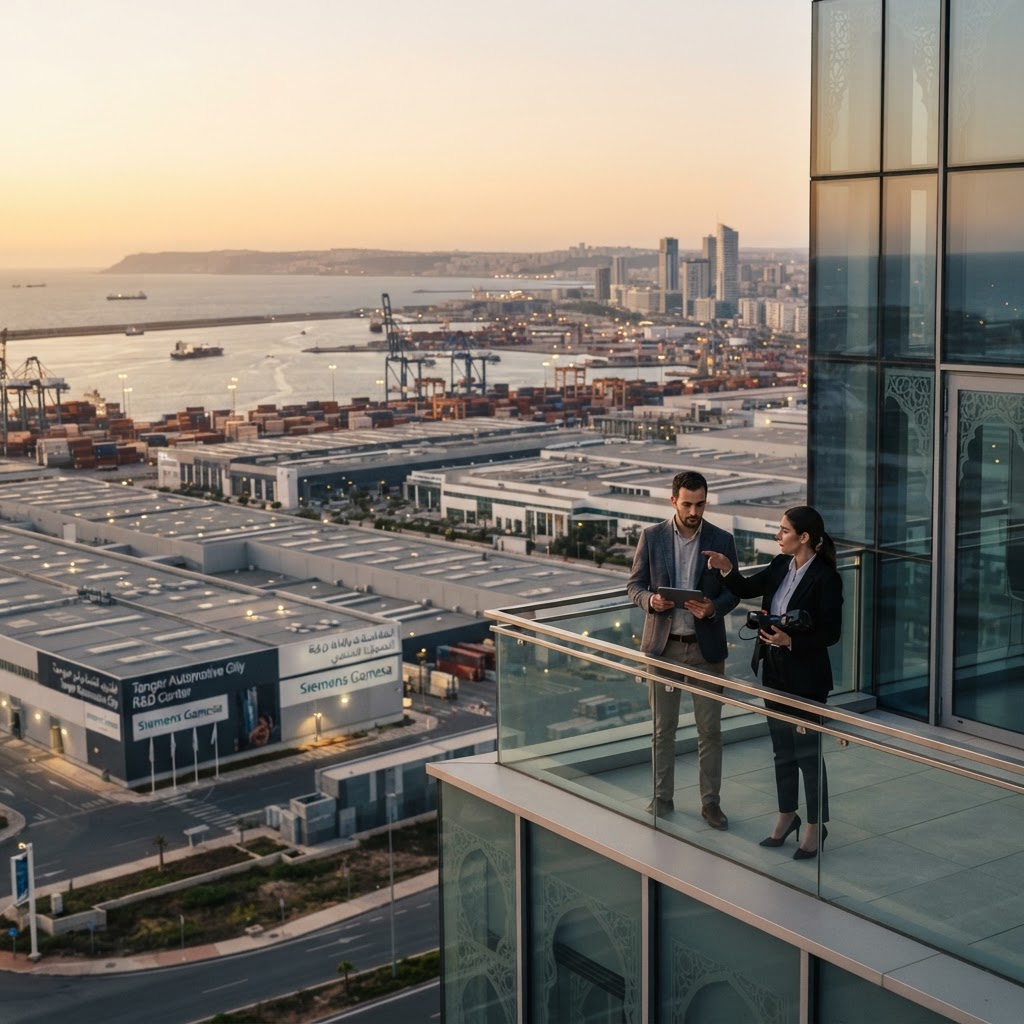
Morocco’s political framework is defined by a system of engineered stability. The central role of the monarchy ensures continuity in national strategy, which has been instrumental in the successful development of world-class infrastructure projects like the Tanger Med port complex. According to the 2024 OECD Investment Policy Review, Morocco has achieved significant progress in improving its business climate, making it a preferred destination for high-productivity sectors such as automotive, aerospace, and renewable energy.
Why Political Risk Matters to Investors
Political risk in Morocco is not typically associated with regime instability, but rather with the execution of long-term development goals and the management of social pressures. Investors should monitor:
- Economic Dependency: The economy remains sensitive to rainfall patterns affecting the agricultural sector and demand fluctuations from European trading partners.
- Social Cohesion: With youth unemployment rates hovering around 21.9% as of 2026, the government faces pressure to generate high-quality jobs, which influences labor policies and social spending.
- Regional Geopolitics: Morocco’s active role in regional security and its strategic alliances require businesses to stay informed on shifting diplomatic landscapes that may impact trade corridors.
Opportunities and Strategic Locations
The government’s commitment to industrialization is evident in the development of specialized industrial zones. Key locations include:
- Tanger Med and Northern Zones: The primary hub for automotive and logistics, benefiting from proximity to European markets.
- Casablanca-Settat Region: The financial and industrial heart of the country, hosting a diverse range of services and manufacturing firms.
- Dakhla Atlantic Port: A strategic focus for future development, aimed at enhancing trade connectivity with Sub-Saharan Africa.
For those evaluating specific entry points, our enquiry page provides tailored guidance on regional incentives.
Incentives and Regulatory Framework
Morocco has modernized its legal framework to attract foreign direct investment (FDI). The current Investment Charter offers a robust suite of incentives, including tax exemptions, land subsidies, and support for job creation. These programs are designed to de-risk large-scale projects and encourage sustainable development. Regulations are generally transparent, though investors should anticipate that administrative processes may vary by sector and region.
Risks and Challenges
While the investment climate is favorable, potential risks include:
- Climate Vulnerability: Recurring droughts pose a risk to agricultural output and water-intensive industries, necessitating investment in desalination and water management infrastructure.
- Execution Delays: Large-scale infrastructure projects, while ambitious, are occasionally subject to timeline adjustments due to complex procurement or financing requirements.
- ESG Scrutiny: As global standards evolve, investors must ensure compliance with international environmental and social governance (ESG) requirements to maintain access to European and North American markets.
Investor Considerations
To mitigate risks, investors should prioritize local partnerships, conduct thorough due diligence on regulatory requirements, and align projects with national development priorities. Engaging with local stakeholders and utilizing the support services provided by agencies like AMDIE can significantly streamline the market entry process. By focusing on sectors that align with Morocco’s industrial strategy—such as green hydrogen, automotive, and digital services—investors can leverage the country’s stability to achieve sustainable growth.
Sources
This analysis is informed by data and reports from the OECD Investment Policy Reviews (2024), the U.S. Department of State Investment Climate Statements (2025), UNCTAD World Investment Reports, and the Official Portal of the Kingdom of Morocco.
Planning an Investment in Morocco?
InvestMorocco.ai supports investors, companies and project developers with market intelligence, feasibility, market entry, site selection, local partnerships, supplier sourcing and investment project support across Morocco.
Discuss your project: