
Introduction
Morocco has successfully positioned itself as a premier industrial and logistics hub at the crossroads of Europe, Africa, and the Middle East. By leveraging political stability, significant infrastructure development, and a robust network of free trade agreements, the Kingdom has become a magnet for foreign direct investment (FDI). As global supply chains undergo reconfiguration, Morocco offers a strategic alternative for companies seeking proximity to European markets and a gateway to the burgeoning African Continental Free Trade Area.
For international investors, navigating the Moroccan landscape requires a clear understanding of both the high-growth sectors and the regulatory framework that governs them. Whether focusing on manufacturing, renewable energy, or services, the country provides a structured environment supported by the national Investment Charter, which aims to incentivize high-value projects and regional development.
Quick Answer
The best sectors to invest in Morocco currently include automotive manufacturing, aerospace, renewable energy (specifically green hydrogen and solar), agro-food processing, and outsourcing services. These sectors benefit from strong government support, established industrial ecosystems, and Morocco's strategic export-oriented trade policies.
Market Overview and Strategic Importance
Morocco’s economic strategy is defined by its transition toward high-value-added industrialization. According to the 2024 OECD Investment Policy Reviews, the country has leveraged its 12 free trade agreements to provide market access to approximately 100 countries and 2.5 billion consumers. While traditional sectors like real estate and finance continue to attract significant capital, the government is actively prioritizing export-led manufacturing and green energy to drive sustainable growth.
Key Investment Sectors
1. Automotive and Aerospace
Morocco has established itself as a global leader in automotive manufacturing, hosting major international OEMs and a dense network of tier-one and tier-two suppliers. Similarly, the aerospace sector has seen rapid growth, supported by specialized industrial zones that offer high-tech infrastructure and a skilled workforce.
2. Renewable Energy and Green Hydrogen
With a goal to reach 52% of total installed capacity from renewable sources by 2030, Morocco is a pioneer in green energy. Investors are increasingly targeting opportunities in solar, wind, and the emerging green hydrogen value chain, which is supported by the country’s unique geographic advantages and commitment to decarbonization.
3. Agro-Food Industry
The agro-food sector remains a pillar of the Moroccan economy. There is significant potential for investment in value-added processing, cold chain logistics, and sustainable agricultural technologies that cater to both domestic demand and export markets in Europe and beyond.
4. Outsourcing and Digital Services
Morocco’s nearshoring capabilities in IT, business process outsourcing (BPO), and customer experience management have made it a preferred destination for European firms. The availability of a multilingual, tech-savvy workforce provides a competitive edge in this sector.
Locations and Industrial Ecosystems
Investment is concentrated in specific regions that offer specialized infrastructure:
- Casablanca-Settat: The primary economic engine, hosting major financial and industrial hubs.
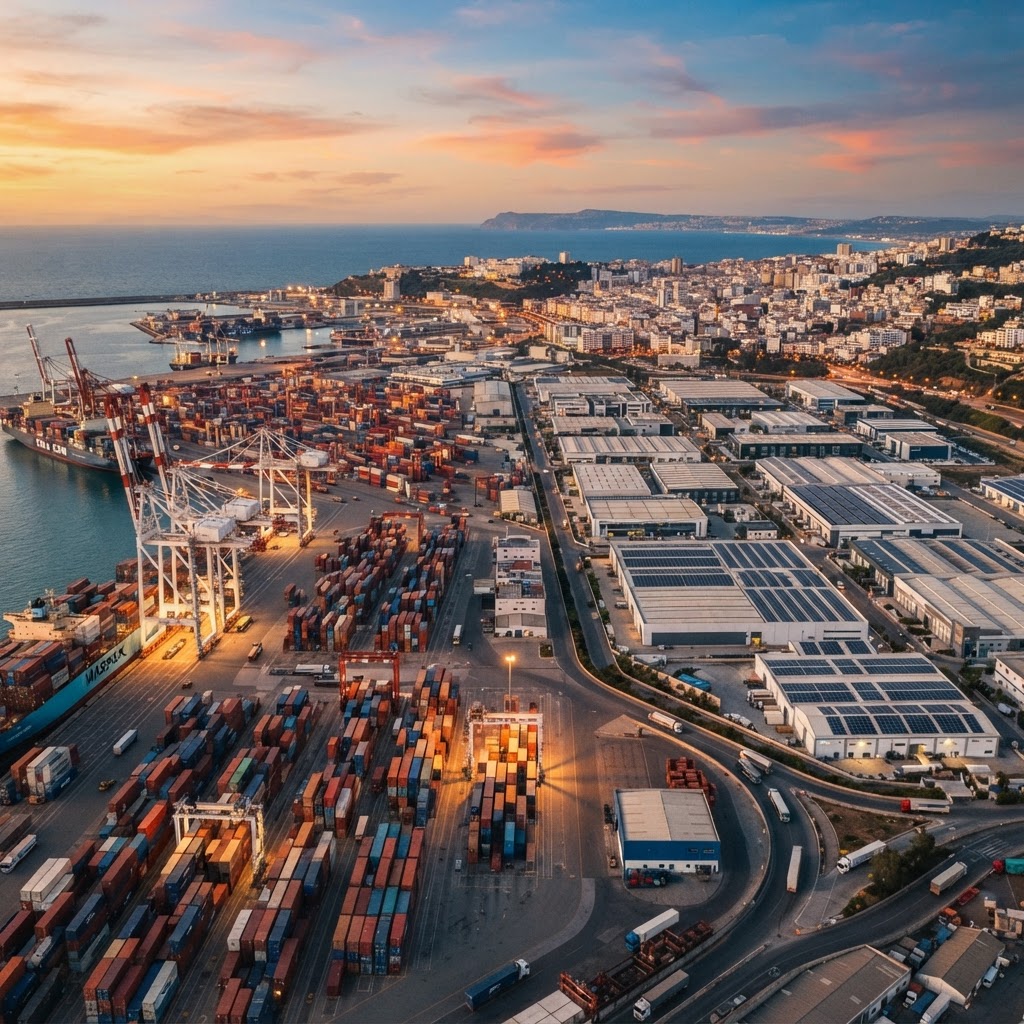
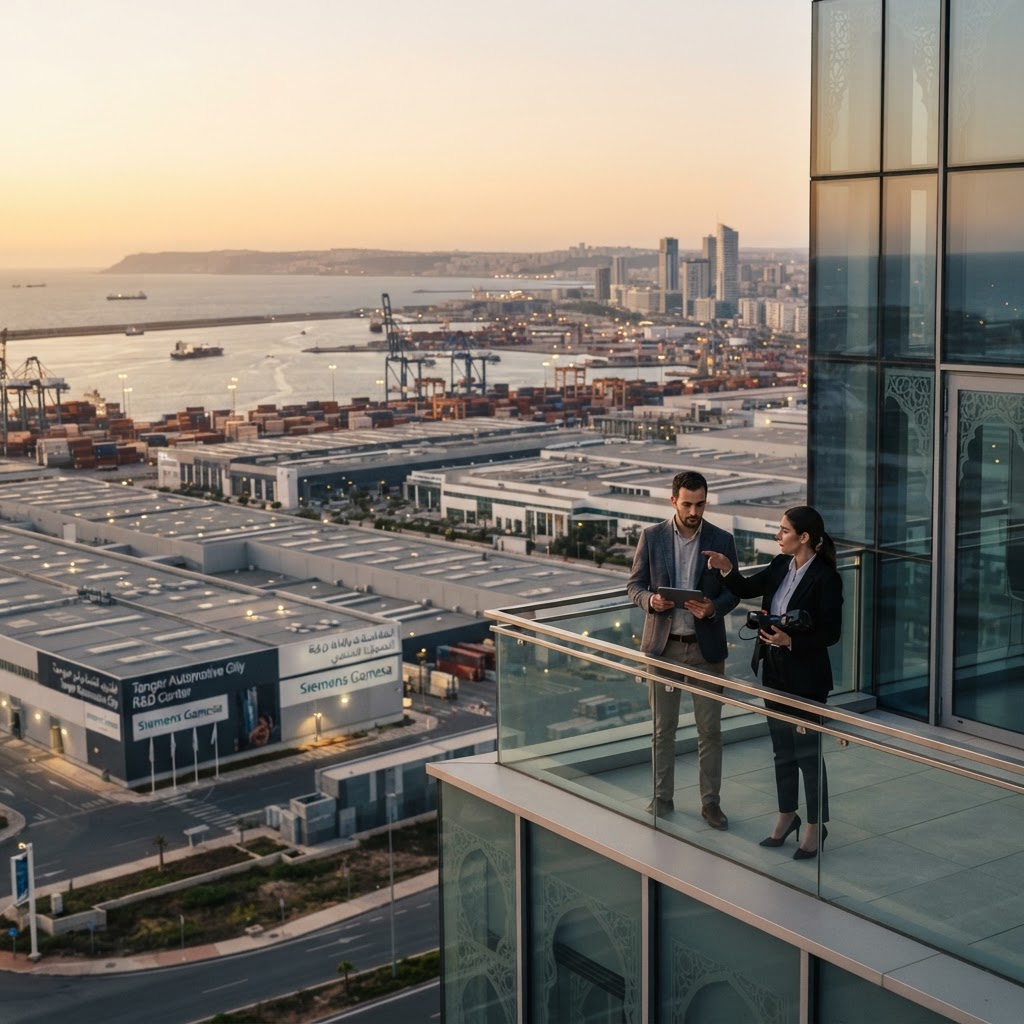
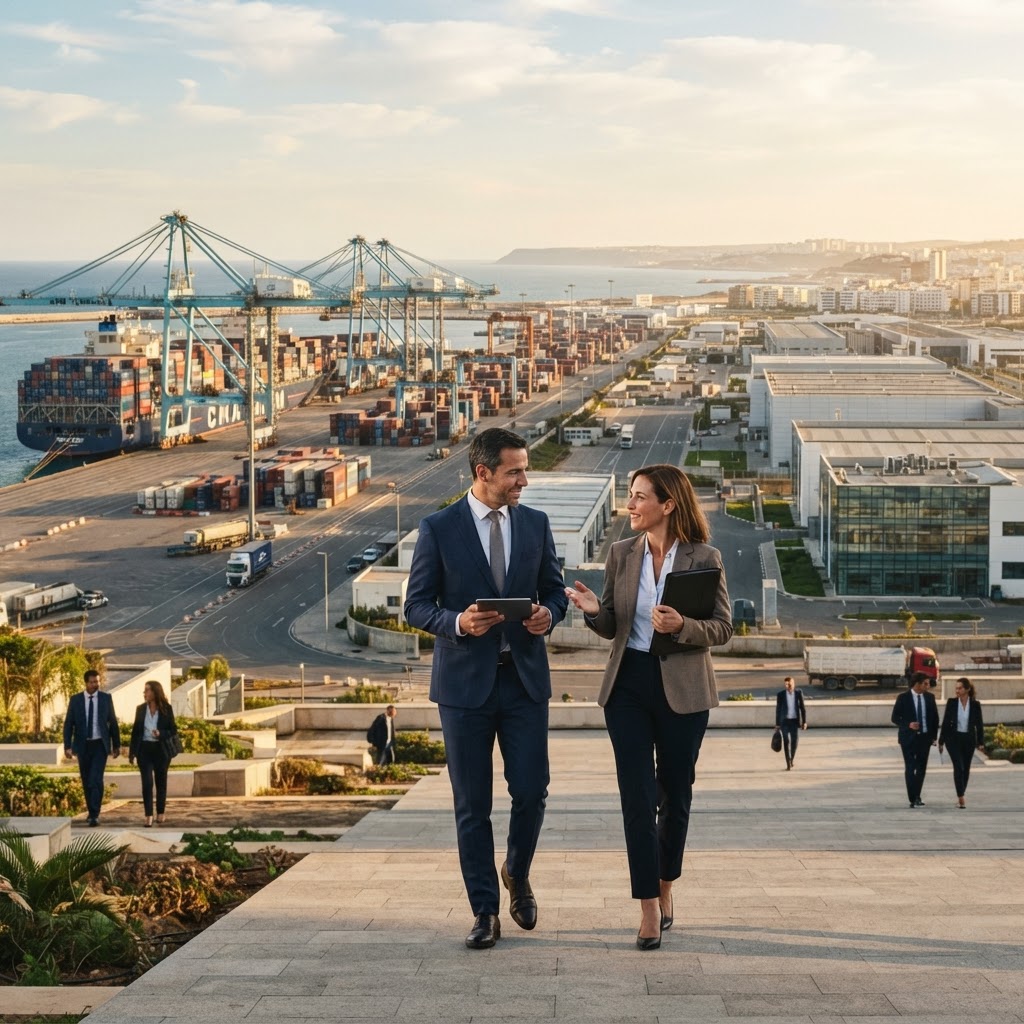
- Tanger-Tetouan-Al Hoceima: Home to the Tanger Med port complex, a world-class logistics and industrial platform critical for automotive and manufacturing exports.
- Rabat-Salé-Kénitra: A growing hub for high-tech industries and automotive manufacturing.
- Souss-Massa: A key region for agro-food and renewable energy projects.
Incentives and Regulatory Framework
The Moroccan government provides a comprehensive suite of incentives under the national Investment Charter. These may include subsidies for land acquisition, training grants, and tax exemptions for projects that meet specific criteria regarding job creation, regional development, and technological transfer. Investors are encouraged to consult with local authorities to determine eligibility for these programs, as they are subject to project-specific evaluations.
Risks and Considerations
While the investment climate is generally favorable, investors should be aware of potential challenges. These include regional disparities in infrastructure, the need for continued improvements in administrative efficiency, and the necessity of navigating complex local labor regulations. As noted by international observers, while Morocco is a stable hub, operational and structural hurdles remain, requiring thorough due diligence and local expertise.
Sources
- OECD Investment Policy Reviews: Morocco 2024
- UNCTAD World Investment Report 2024
- U.S. Department of State: 2025 Morocco Investment Climate Statement
- Morocco Now (Official Investment Promotion Platform)
- Bank Al-Maghrib (Central Bank of Morocco)
Planning an Investment in Morocco?
InvestMorocco.ai supports investors, companies and project developers with market intelligence, feasibility, market entry, site selection, local partnerships, supplier sourcing and investment project support across Morocco.
Discuss your project: