Understanding Morocco's Supply Chain Landscape
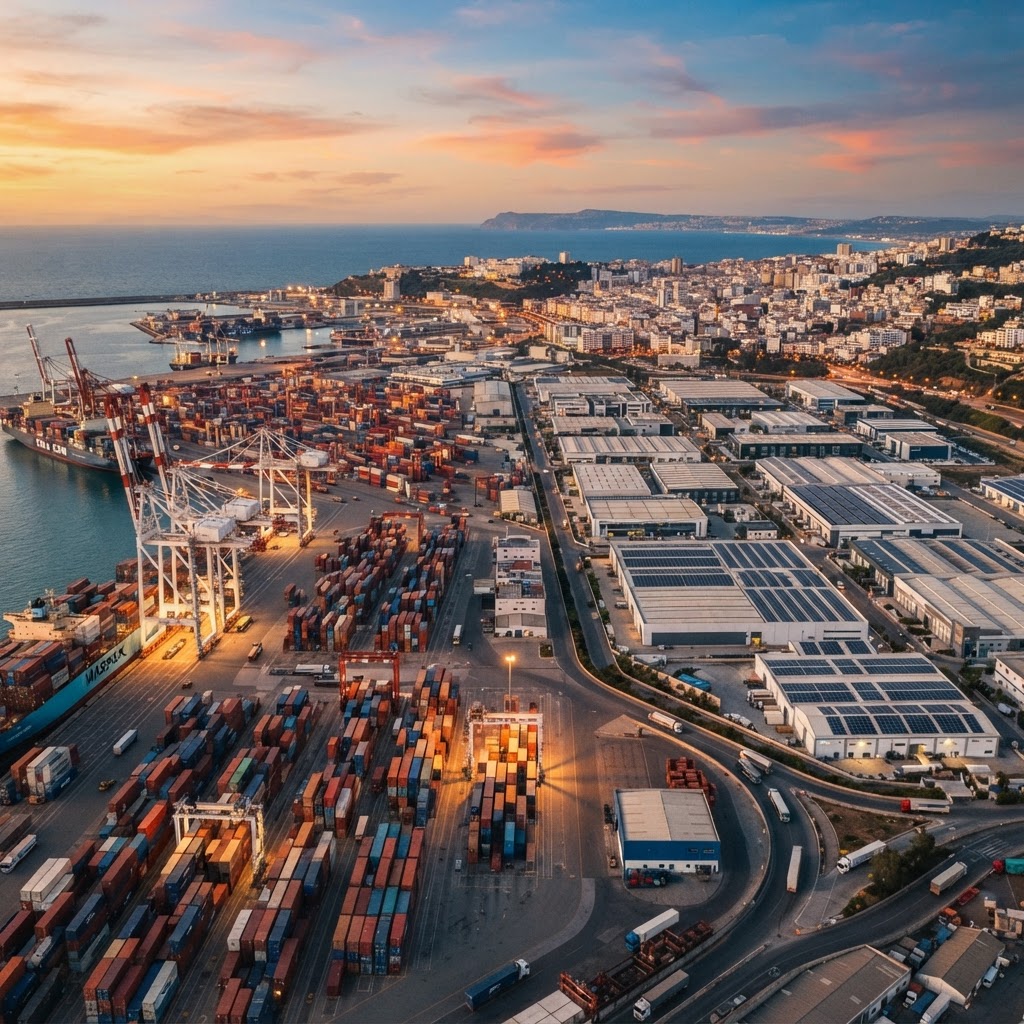
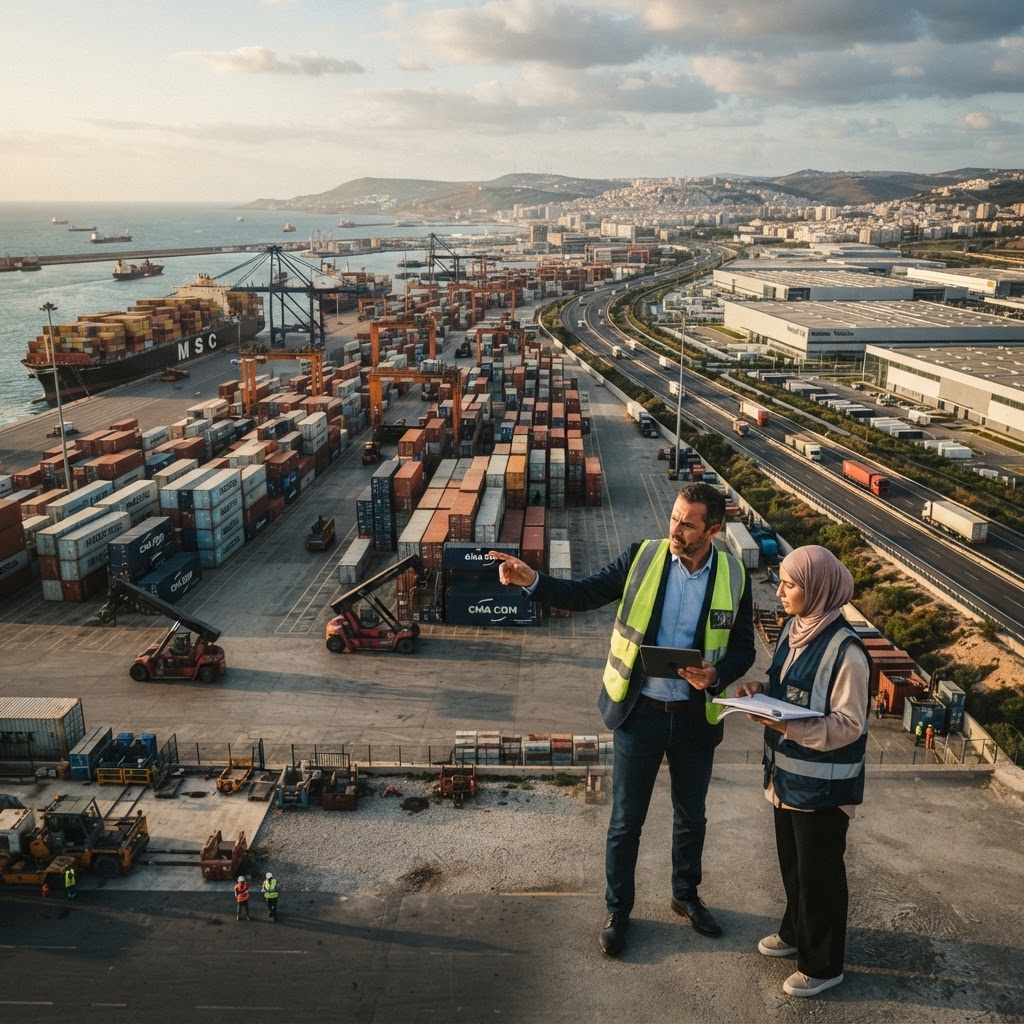
Morocco has rapidly positioned itself as a premier industrial hub at the crossroads of Europe, Africa, and the Americas. By leveraging its strategic location, world-class infrastructure like Tanger Med, and proactive government policies, the Kingdom has attracted significant foreign direct investment (FDI) in sectors ranging from automotive and aerospace to agribusiness and renewable energy. However, as the country integrates deeper into global value chains, investors must navigate specific supply chain gaps that can impact operational efficiency and long-term scalability.
For international investors, understanding these nuances is critical. While the macro-environment is stable and business-friendly, the transition from a regional manufacturing base to a high-value global supply chain node requires addressing structural bottlenecks, liquidity constraints, and the integration of local SMEs into international standards.
Quick Answer: What Are Morocco's Main Supply Chain Gaps?
Morocco's primary supply chain gaps include a reliance on transactional rather than long-term planning in certain sectors, limited liquidity for SMEs, and a need for deeper integration of local suppliers into global quality standards. Additionally, while major infrastructure is world-class, the "last-mile" logistics and the digitalization of smaller-scale transport networks remain areas requiring further development to match the efficiency of the country's major industrial zones.
Market Overview and Investor Context
Morocco’s economy is characterized by a well-diversified industrial base. According to the IFC, Morocco is a leading African economy that has significantly improved its ease of doing business rankings through sustained reforms. However, the private sector diagnostic highlights that while public investment in infrastructure has been robust, private investment faces challenges related to market size and the integration of local value chains.
The supply chain environment is currently undergoing a transformation. As European firms look to "nearshore" their operations to comply with the EU’s Corporate Sustainability Due Diligence Directive (CSDDD), Morocco is a top-tier destination. Yet, the gap between the high-tech requirements of multinational corporations and the operational capacity of smaller local suppliers remains a focal point for development.
Why It Matters to Investors
Supply chain gaps directly influence the cost of production and the reliability of delivery schedules. In sectors like agribusiness, where supply can be volatile, or in manufacturing, where just-in-time delivery is essential, these gaps can lead to inventory shortages or increased logistics costs. Investors who proactively identify these gaps and build resilient, localized supply networks often gain a competitive advantage in the Moroccan market.
Key Challenges and Risks
- Transactional Planning: Some traditional sectors, such as fisheries and certain agricultural segments, still rely on transactional, short-term procurement models rather than long-term strategic planning, which can lead to supply volatility.
- SME Liquidity: Small and medium-sized enterprises (SMEs) often face difficulties accessing affordable supply chain finance, which can limit their ability to scale production to meet the needs of large foreign investors.
- Logistics Fragmentation: While major ports and highways are excellent, the secondary logistics network—specifically cold chain storage and rural transport—requires further modernization to reduce waste and improve efficiency.
- Regulatory Compliance: Aligning local production with stringent EU environmental and human rights standards (as per the CSDDD) requires ongoing investment in training and certification for local partners.
Opportunities for Strategic Investment
The gaps identified above represent significant opportunities for investors. There is a growing demand for:
- Supply Chain Finance (SCF) Solutions: Financial institutions and fintech firms can bridge the liquidity gap for local SMEs, ensuring they have the working capital to support larger industrial projects.
- Cold Chain Infrastructure: With Morocco’s focus on high-value agricultural exports, there is a massive need for modern, energy-efficient cold storage facilities.
- Digital Logistics Platforms: Tech-enabled solutions that optimize freight transport and provide real-time tracking are in high demand to improve the efficiency of the national logistics network.
- Local Content Development: Investors who partner with local suppliers to upgrade their technical capabilities and quality certifications can build more resilient and cost-effective supply chains.
Locations and Industrial Ecosystems
Morocco’s industrial zones are designed to mitigate many of these supply chain risks by providing "plug-and-play" infrastructure. Key locations include:
- Tanger Med Port & Industrial Zones: The heart of Morocco’s export-oriented manufacturing, offering seamless connectivity to global markets.
- Casablanca/Mohammedia: The commercial and financial hub, ideal for services, logistics, and light manufacturing.
- Kenitra (Atlantic Free Zone): A major hub for the automotive industry, benefiting from proximity to both the capital and the port of Tangier.
- Agadir: The primary center for the agribusiness and fisheries value chain, where investments in processing and cold chain are highly strategic.
Incentives and Support
The Moroccan government, through the Investment Charter and various regional programs, offers significant support to investors who contribute to the development of local value chains. Incentives may include:
- Financial Grants: Support for capital expenditure and infrastructure development.
- Tax Exemptions: Favorable corporate tax regimes for companies operating in industrial acceleration zones.
- Training Subsidies: Programs to upskill the local workforce to meet international industrial standards.
Investors are encouraged to conduct a thorough enquiry regarding specific regional incentives and sector-specific support packages.
Investor Considerations
When evaluating a project in Morocco, investors should prioritize:
- Due Diligence: Assess the maturity of local suppliers and their ability to meet international quality and sustainability standards.
- Logistics Planning: Factor in the cost and availability of specialized logistics, particularly if your operations require cold chain or hazardous material handling.
- Partnerships: Consider joint ventures or long-term supply agreements with established local players to mitigate supply volatility.
- Regulatory Alignment: Ensure that your supply chain strategy is fully compliant with both Moroccan law and the regulatory requirements of your target export markets (e.g., EU standards).
Sources
- International Finance Corporation (IFC), "Supply Chain Finance in Morocco: Preparing for the Future" (2020) and "Country Private Sector Diagnostic" (2026).
- Bank Al-Maghrib, Economic Reports and Financial Stability Reviews.
- Morocco Now, Investment and Export Promotion Data.
- World Bank, Logistics Performance Index and Doing Business Data.
- European Union, Corporate Sustainability Due Diligence Directive (CSDDD) Framework (2024).
Planning an Investment in Morocco?
InvestMorocco.ai supports investors, companies and project developers with market intelligence, feasibility, market entry, site selection, local partnerships, supplier sourcing and investment project support across Morocco.
Discuss your project: