
Introduction
Morocco has emerged as a premier destination for foreign direct investment (FDI) in North Africa, bolstered by its strategic location, institutional stability, and a proactive industrial strategy. As investors evaluate the kingdom's potential, understanding the risk landscape is essential for long-term success. While the country offers significant advantages, including a robust network of free trade agreements and a growing industrial base, it is not immune to macroeconomic, structural, and environmental challenges.
For those looking to invest Morocco, a balanced view of the business environment is critical. By aligning strategic goals with a clear understanding of potential headwinds, investors can better navigate the complexities of the local market and leverage the support mechanisms provided by the government.
Quick Answer
The main investment risks in Morocco include high vulnerability to climatic shocks affecting the agricultural sector, structural challenges such as youth unemployment, and exposure to external geopolitical and economic volatility. Additionally, investors should account for potential late payment issues in certain sectors and regional disparities that may impact operational logistics.
Market Overview and Why It Matters
Morocco’s economy has demonstrated resilience, with GDP growth projections remaining positive for 2026 and 2027. However, the economy remains sensitive to external shocks, particularly energy price fluctuations and the economic health of key European trading partners. For businesses, these factors influence supply chain stability, consumer demand, and the overall cost of doing business. Understanding these dynamics is vital for any morocco business strategy, as macroeconomic stability directly impacts profitability and risk management.
Opportunities and Strategic Locations
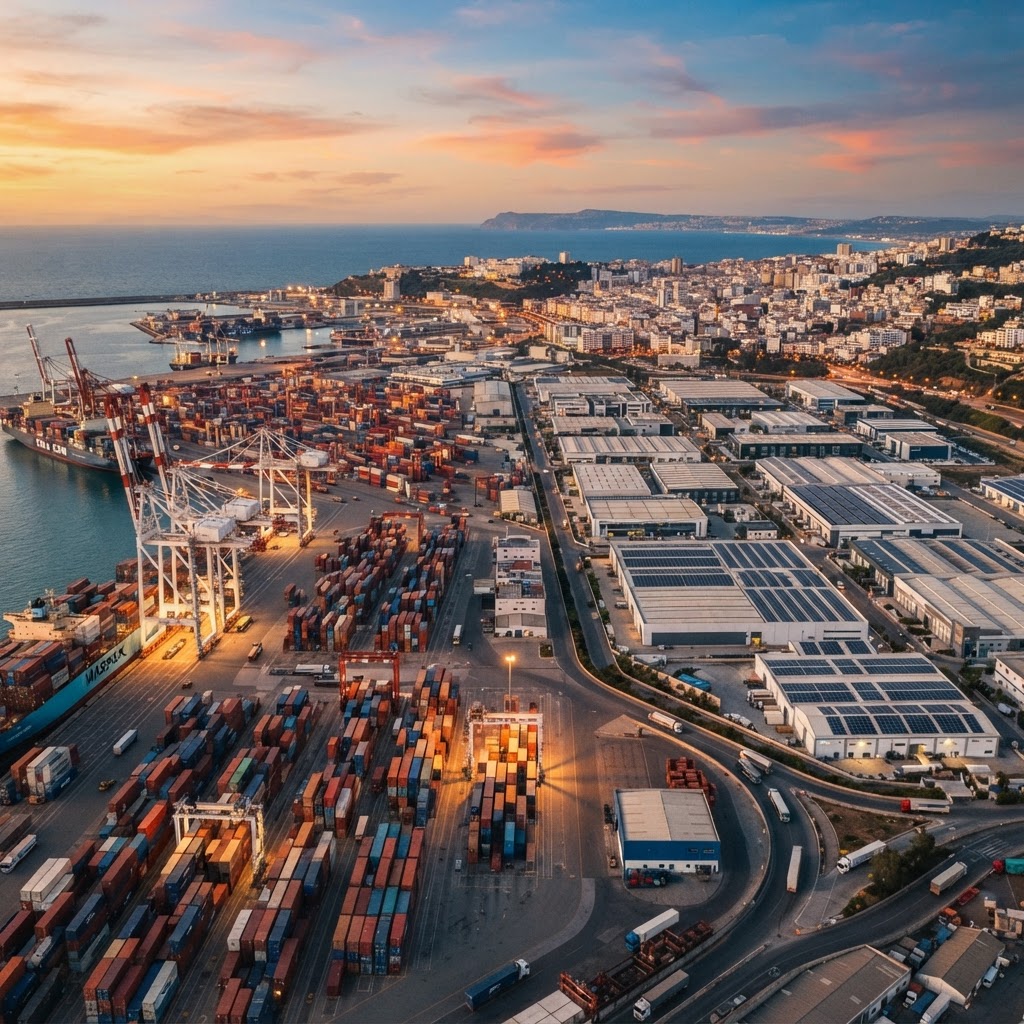
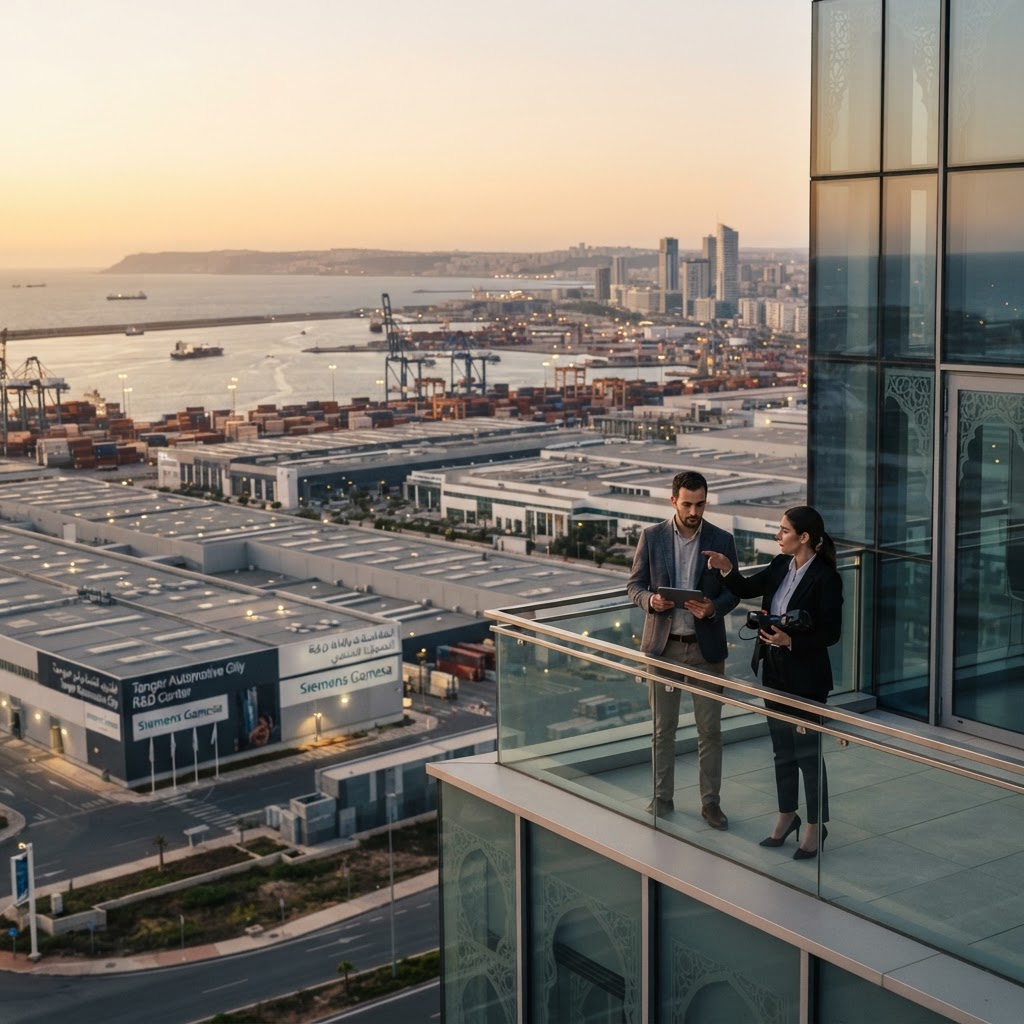
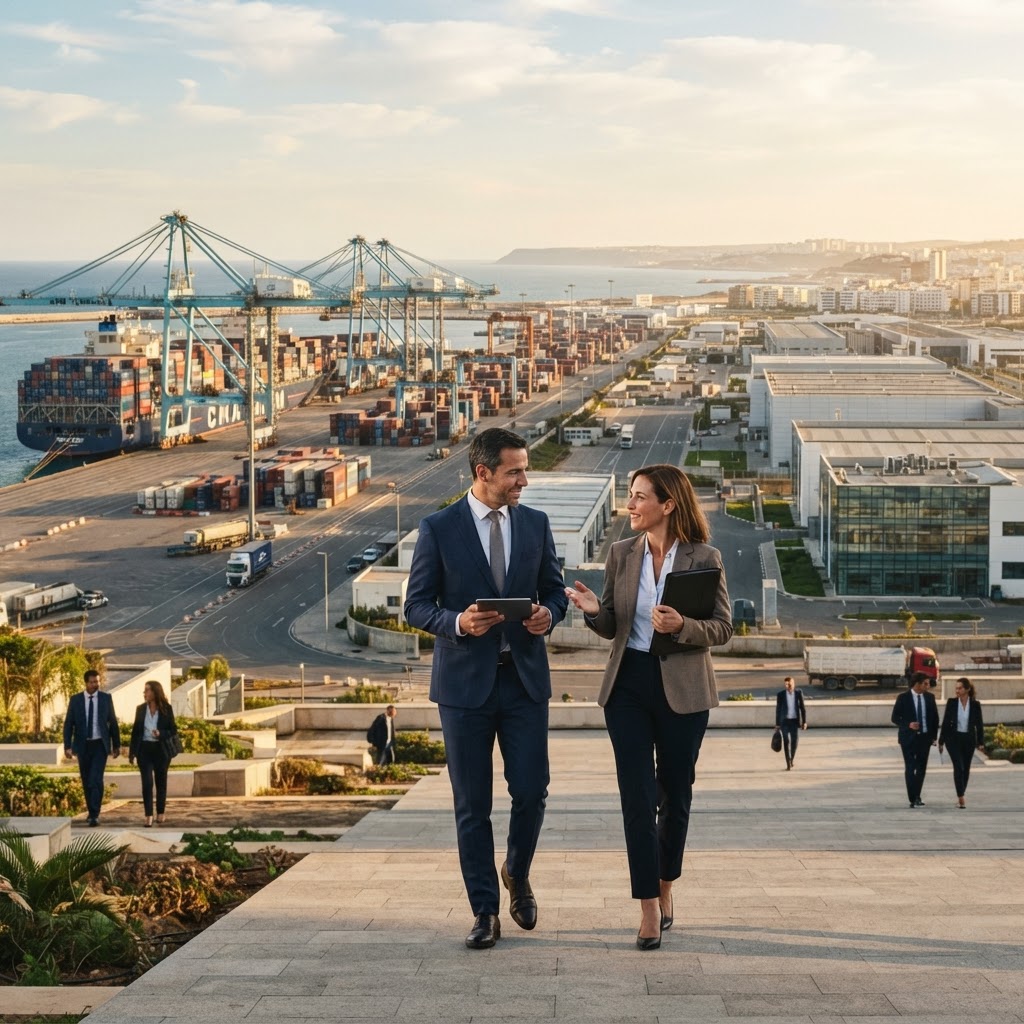
Despite identified risks, Morocco offers substantial opportunities in sectors such as automotive manufacturing, renewable energy, tourism, and aerospace. Industrial zones, particularly in the Casablanca-Settat and Tanger-Tetouan-Al Hoceima regions, provide world-class infrastructure and proximity to major ports like Tanger Med. These hubs are designed to facilitate export-oriented activities and integrate foreign firms into global value chains.
Infrastructure and Workforce
Morocco has invested heavily in infrastructure, including high-speed rail, modern port facilities, and renewable energy projects. While these assets enhance connectivity, investors should note that infrastructure quality can vary outside major urban centers. The workforce is young and increasingly skilled, though high youth unemployment rates (reported at approximately 35% in recent years) suggest a need for targeted training and recruitment strategies to secure top talent.
Incentives and Regulatory Framework
The Moroccan government has introduced a new Investment Charter to streamline the process for investors and provide tailored incentives. These include financial support for large-scale projects, tax exemptions, and simplified administrative procedures. Investors are encouraged to consult with local authorities to understand how these incentives apply to their specific sector and project scale.
Risks and Challenges
- Climatic Vulnerability: Agriculture remains a significant portion of GDP, making the economy susceptible to recurring droughts.
- External Economic Dependence: Strong ties to European markets mean that economic slowdowns in the EU can impact Moroccan exports and remittances.
- Business Environment: While improving, some sectors face challenges with late payments and administrative complexities.
- Geopolitical Tensions: Regional instability and global conflicts can disrupt supply chains and increase inflationary pressures.
Investor Considerations
Successful market entry requires thorough due diligence. Investors should assess their exposure to currency fluctuations, evaluate local supply chain reliability, and engage with local partners who understand the regulatory nuances. For personalized guidance on navigating these risks, you can submit an enquiry to our team.
Sources
This analysis is informed by data and reports from the AMDIE, Morocco Now, HCP, Bank Al-Maghrib, Office des Changes, World Bank, OECD, and Allianz Trade.
Planning an Investment in Morocco?
InvestMorocco.ai supports investors, companies and project developers with market intelligence, feasibility, market entry, site selection, local partnerships, supplier sourcing and investment project support across Morocco.
Discuss your project: