Introduction
Morocco has firmly established itself as a premier destination for foreign direct investment (FDI) in North Africa, driven by a long-term strategic vision to modernize its national infrastructure. By leveraging its unique geographic position as a gateway between Europe, Africa, and the Atlantic, the Kingdom has embarked on an ambitious development trajectory. This transformation is not merely about physical construction; it is a comprehensive effort to enhance productivity, foster economic diversification, and ensure long-term sustainability.
For international investors, understanding the current landscape of Moroccan infrastructure is essential. The country is currently in the midst of a massive investment cycle, with significant capital being deployed toward transport, energy, water security, and digital connectivity. These projects are designed to create a robust ecosystem that supports high-value industrial activities, from automotive manufacturing to artificial intelligence.
Quick Answer
Morocco’s key infrastructure projects are primarily focused on preparing for the 2030 FIFA World Cup, accelerating the energy transition, and ensuring water security. Major initiatives include the expansion of high-speed rail networks, the development of world-class port complexes like Tanger-Med, massive investments in renewable energy and desalination plants, and the creation of specialized industrial zones for high-tech sectors.
Market Overview
Morocco is currently scaling up public infrastructure spending significantly. According to IMF reports, the government is directing approximately 11.9% of its 2024 GDP toward connectivity and tourism infrastructure between 2024 and 2030. This spending is part of a broader strategy to maintain Morocco’s competitive edge as a regional industrial hub. The National Office of Electricity and Drinking Water (ONEE) alone has unveiled a MAD 248 billion investment plan for 2026-2030, highlighting the critical nature of energy and water infrastructure in the national agenda.
Why It Matters to Investors
Infrastructure is the backbone of the morocco business environment. Reliable logistics, stable energy, and modern digital connectivity are prerequisites for operational efficiency. The current wave of projects reduces the cost of doing business, improves supply chain resilience, and opens new markets for foreign firms. Investors who align their projects with these national priorities often find a more supportive regulatory environment and better access to essential services.
Key Infrastructure Sectors
- Transport and Logistics: Expansion of the high-speed rail network and modernization of international airports are central to the 2030 World Cup preparations.
- Energy Transition: Morocco aims to exceed 52% of installed electricity capacity from renewable sources by 2028, with massive investments in solar, wind, and green hydrogen.
- Water Security: Strategic projects, such as the Sebou-Oum Rabia water transfer pipeline and new desalination plants, are being fast-tracked to mitigate regional water stress.
- Digital Infrastructure: The rise of AI-ready data centers, such as the project in Nouaceur, signals Morocco’s ambition to become a regional digital hub.
Locations and Industrial Zones
Investment opportunities are geographically diverse, with specific regions offering tailored advantages:
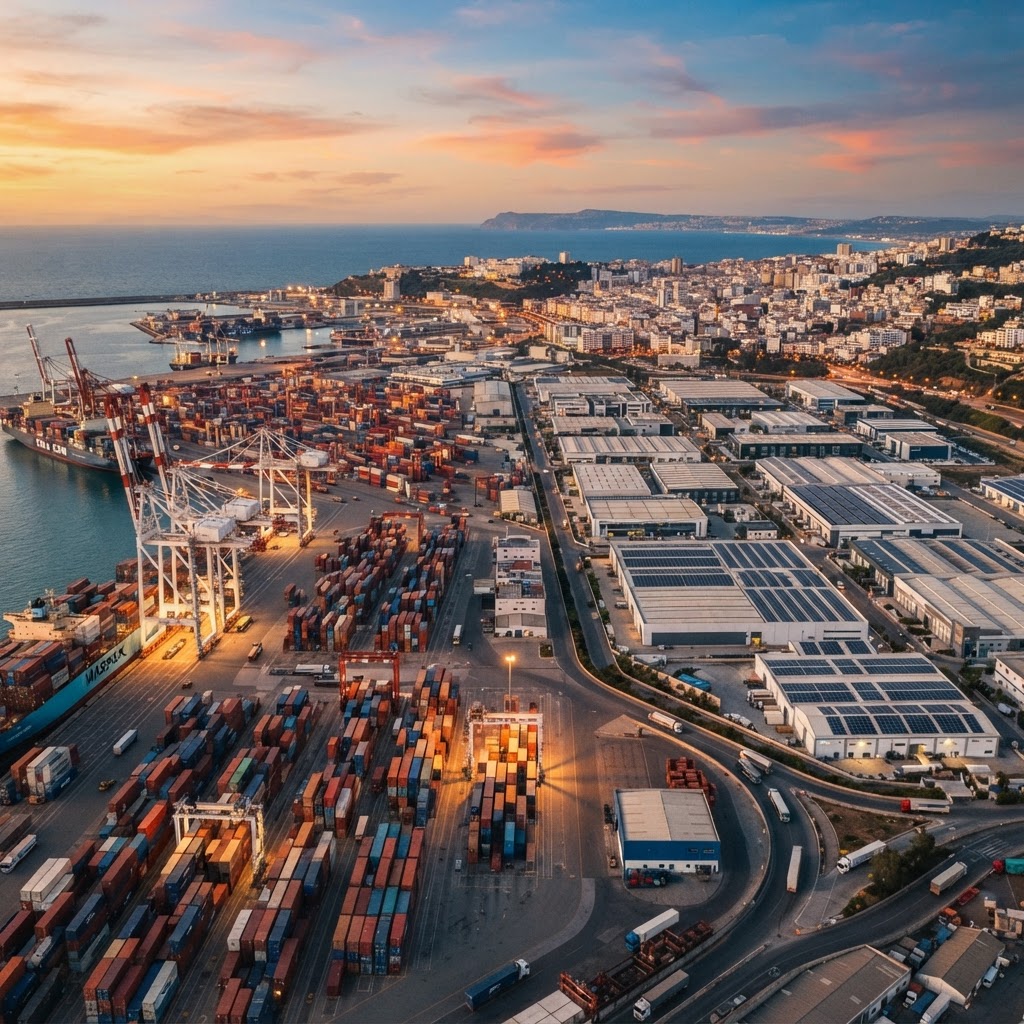
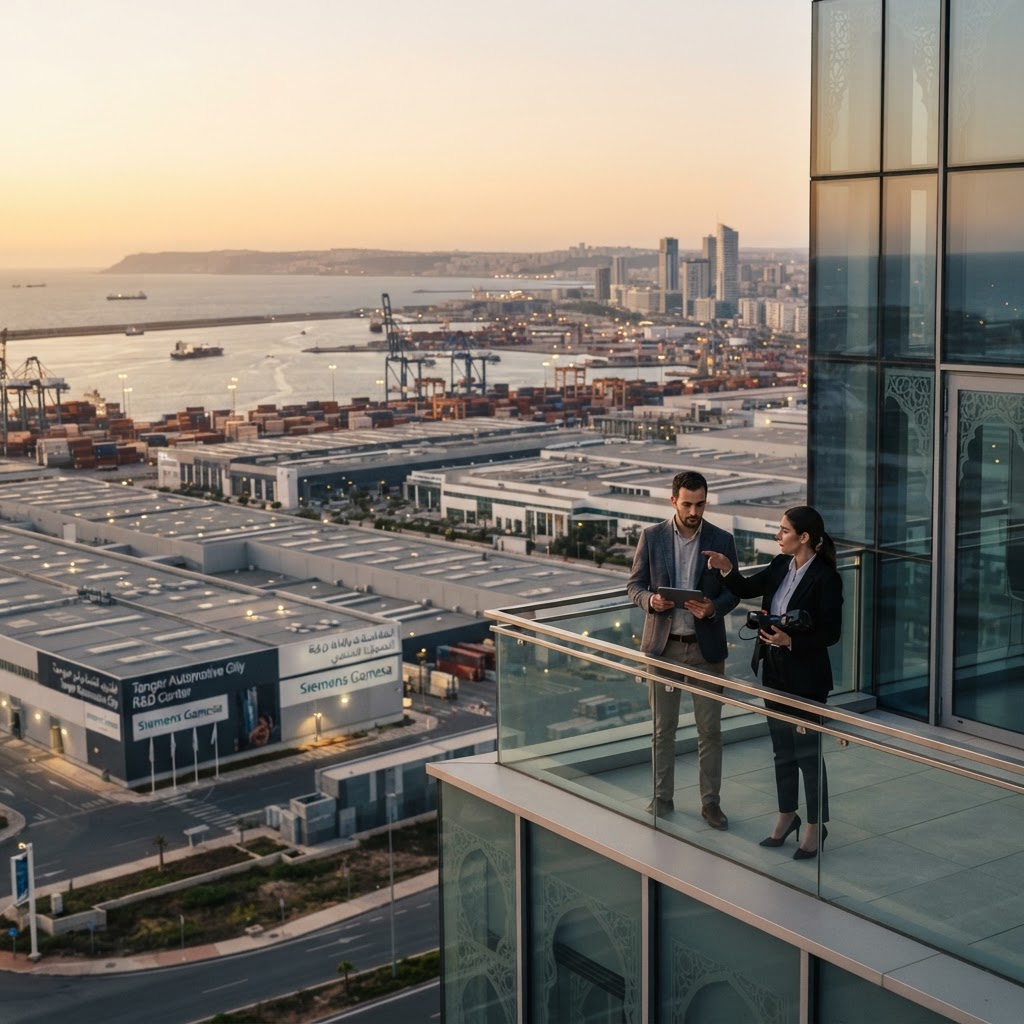
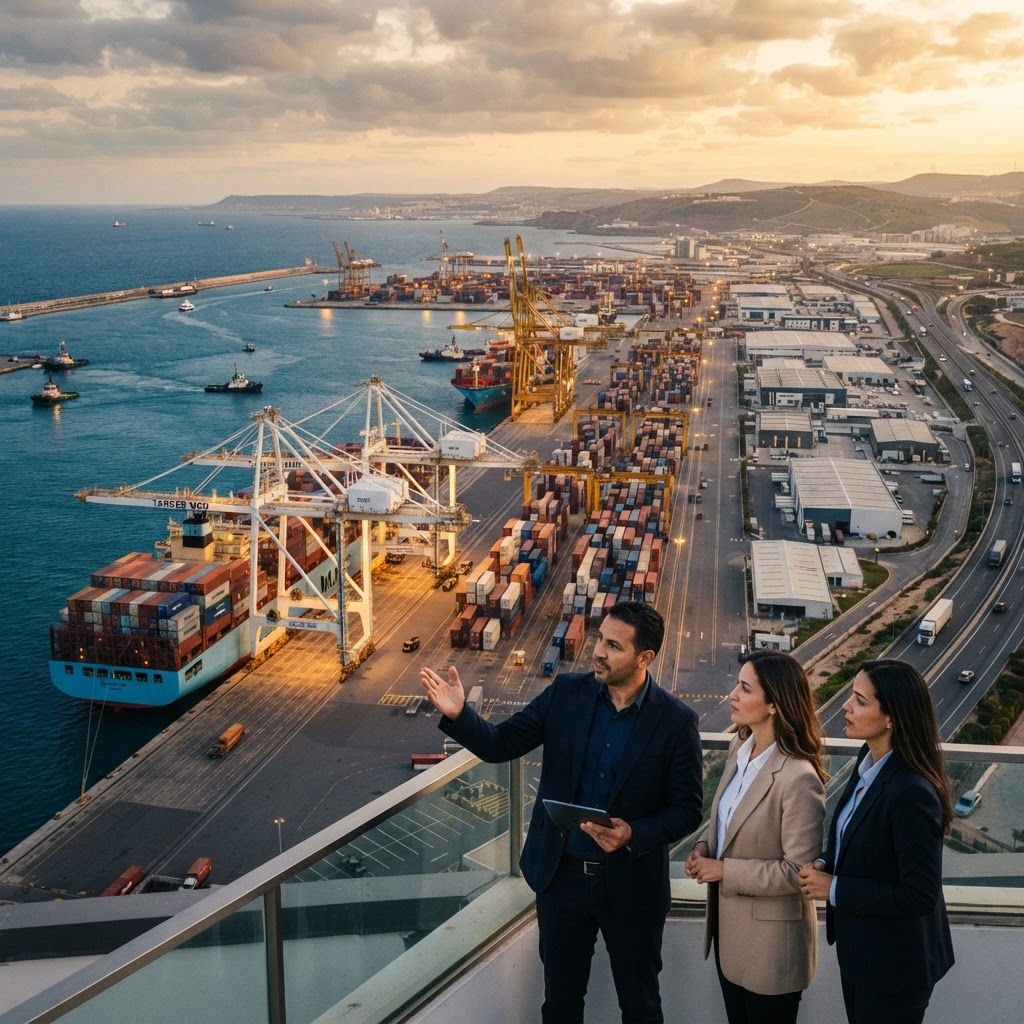
- Tangier-Tetouan-Al Hoceima: Home to the Tanger-Med port complex, this region is the heart of Morocco’s automotive and logistics sectors.
- Casablanca-Settat: The economic engine of the country, hosting major industrial zones and the Nouaceur technology hub.
- Agadir and the South: Increasingly important for renewable energy projects and sustainable industrial parks.
Incentives and Regulations
The Moroccan government provides a structured framework for investors through the Investment Charter, which offers various fiscal and non-fiscal incentives for projects that contribute to job creation and regional development. Investors are encouraged to consult with InvestMorocco.ai to evaluate how these incentives apply to specific sectors. Regulations are generally pro-business, though compliance with environmental standards and local content requirements is increasingly emphasized.
Risks and Challenges
While the investment climate is favorable, potential investors should be aware of challenges such as the global infrastructure investment gap, which the Global Infrastructure Hub estimates at $37 billion leading up to 2040. Additionally, project timelines may be subject to change due to the complexity of large-scale public-private partnerships (PPPs). Thorough due diligence and local partnerships are recommended to navigate these complexities effectively.
Sources
- IMF Country Report No. 26/73 (2026)
- ONEE 2026-2030 Investment Plan
- International Trade Administration (ITA) Morocco Commercial Guide
- Maroc.ma (Official Portal of the Kingdom of Morocco)
- AGBI Infrastructure Reports (2025)
Planning an Investment in Morocco?
InvestMorocco.ai supports investors, companies and project developers with market intelligence, feasibility, market entry, site selection, local partnerships, supplier sourcing and investment project support across Morocco.
Discuss your project: