Introduction
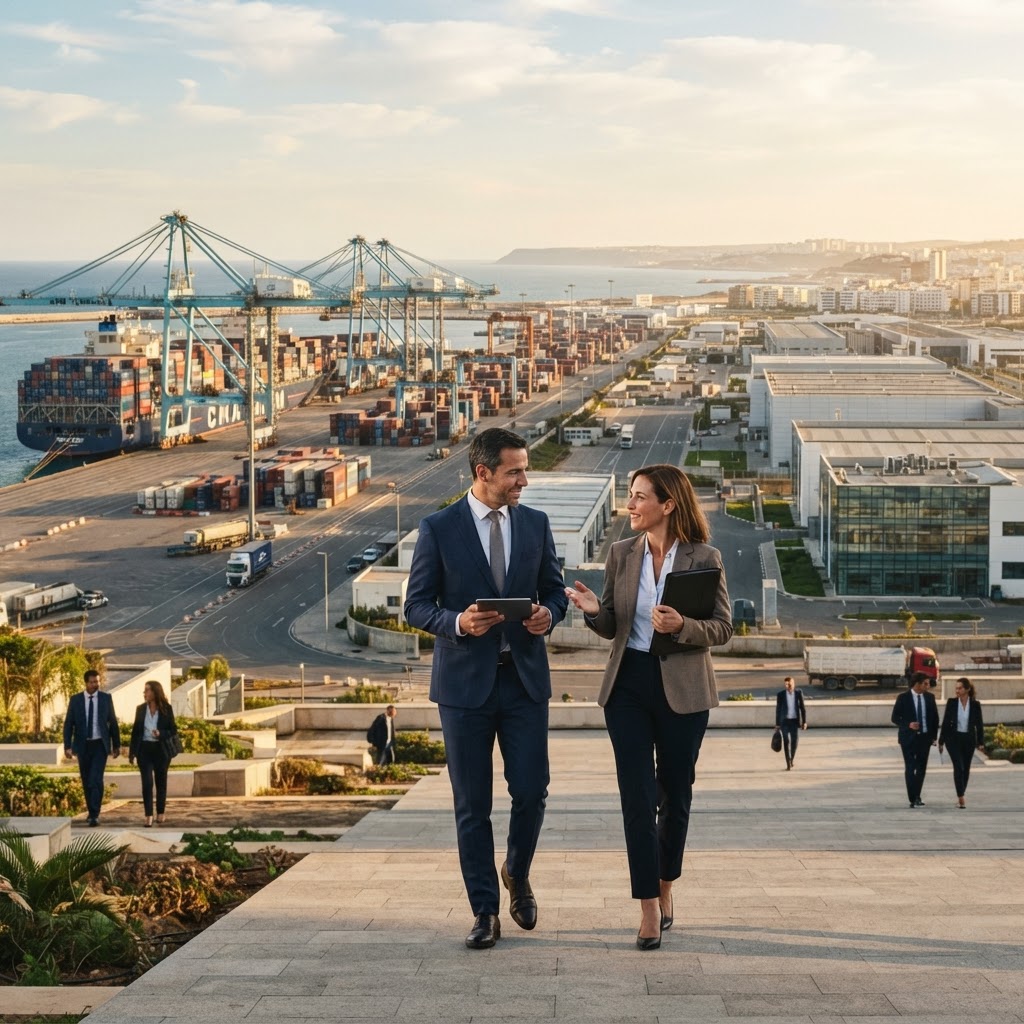
Morocco has emerged as a premier destination for foreign direct investment (FDI) in North Africa, characterized by a unique blend of political stability, strategic geographic positioning, and a proactive reform agenda. Over the past two decades, the Kingdom has prioritized the modernization of its economic framework to integrate more deeply into global value chains. For international investors, Morocco represents a gateway to both the African continent and European markets, supported by a robust infrastructure network and a government committed to fostering a business-friendly environment.
The country's commitment to economic modernization is anchored by the New Development Model and the landmark Investment Charter, which aim to catalyze private sector growth. As global supply chains shift, Morocco’s focus on high-value manufacturing, renewable energy, and industrial exports has positioned it as a resilient and attractive hub for long-term capital deployment.
Quick Answer
Morocco is considered a highly stable environment for foreign investment, backed by consistent macroeconomic policies, a stable political climate, and an investment-grade credit rating. The government actively facilitates foreign capital through the 2022 Investment Charter, which provides significant incentives for projects that contribute to job creation, regional development, and strategic sector growth.
Market Overview
Morocco’s economic landscape is defined by its resilience and strategic diversification. According to reports from the OECD and the U.S. Department of State, the Kingdom has successfully navigated global economic headwinds, including post-pandemic recovery and regional climate challenges, by maintaining a stable macroeconomic regime. As of 2026, international rating agencies like S&P Global have maintained Morocco’s investment-grade status, citing the strength of its fiscal policies and economic resilience.
The country has transitioned from a traditional agricultural base to a sophisticated industrial player, particularly in the automotive, aerospace, and textile sectors. This shift is supported by a network of free trade agreements and a commitment to trade liberalization, making it an ideal export base for international companies.
Why It Matters to Investors
For investors, stability is the bedrock of long-term planning. Morocco offers a predictable regulatory environment, protected by numerous bilateral investment treaties and double-taxation agreements. The government’s focus on "nearshoring"—positioning Morocco as a manufacturing alternative for European markets—provides a clear value proposition for companies looking to shorten supply chains and reduce logistics costs.
Opportunities and Strategic Sectors
The Moroccan government has identified several priority sectors for investment, often supported by specific incentives:
- Renewable Energy: With massive investments in solar and wind, and a new focus on green hydrogen, Morocco is a leader in the energy transition.
- Automotive and Aerospace: These sectors benefit from established industrial ecosystems and a skilled, specialized workforce.
- Agro-industry: Leveraging the country’s agricultural output for high-value processing and export.
- Infrastructure and Desalination: Critical projects aimed at water security and logistics connectivity.
Locations and Industrial Zones
Morocco’s industrial strategy is supported by world-class infrastructure, including:
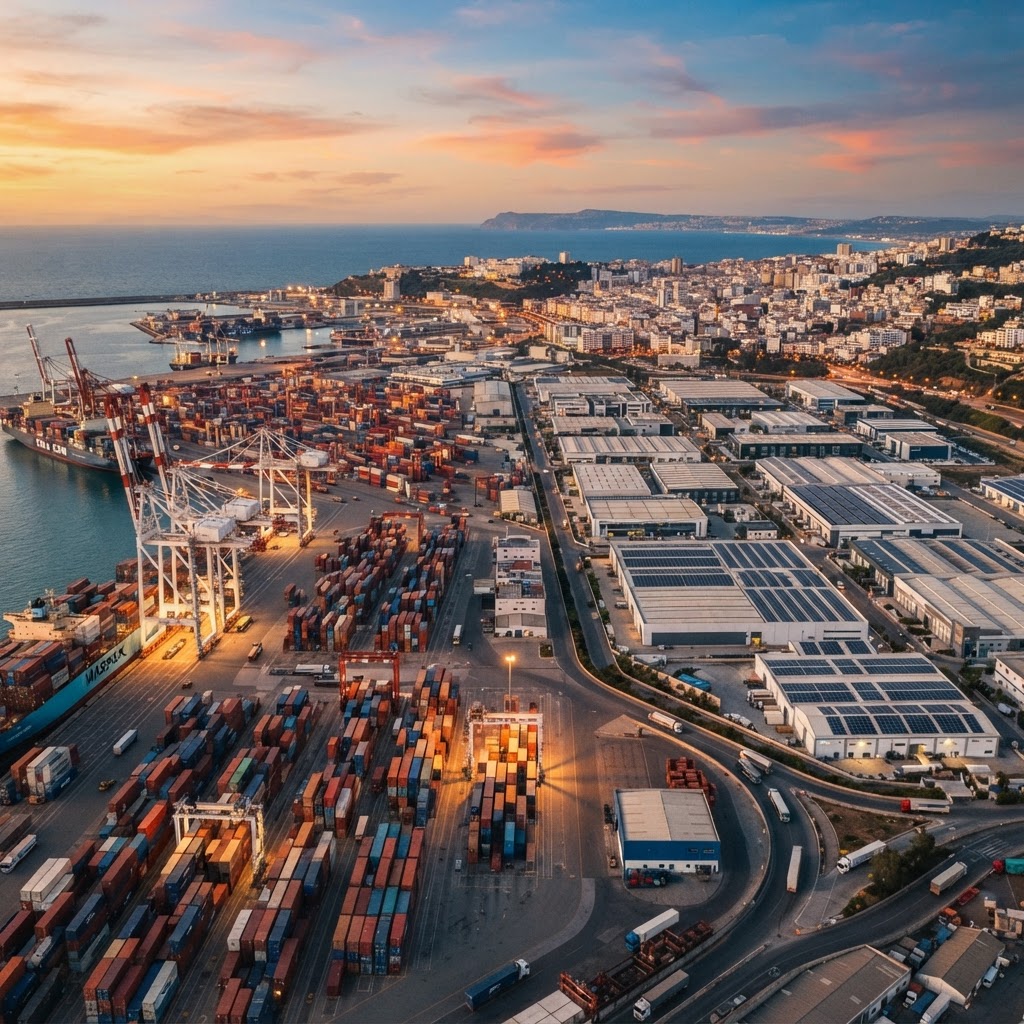
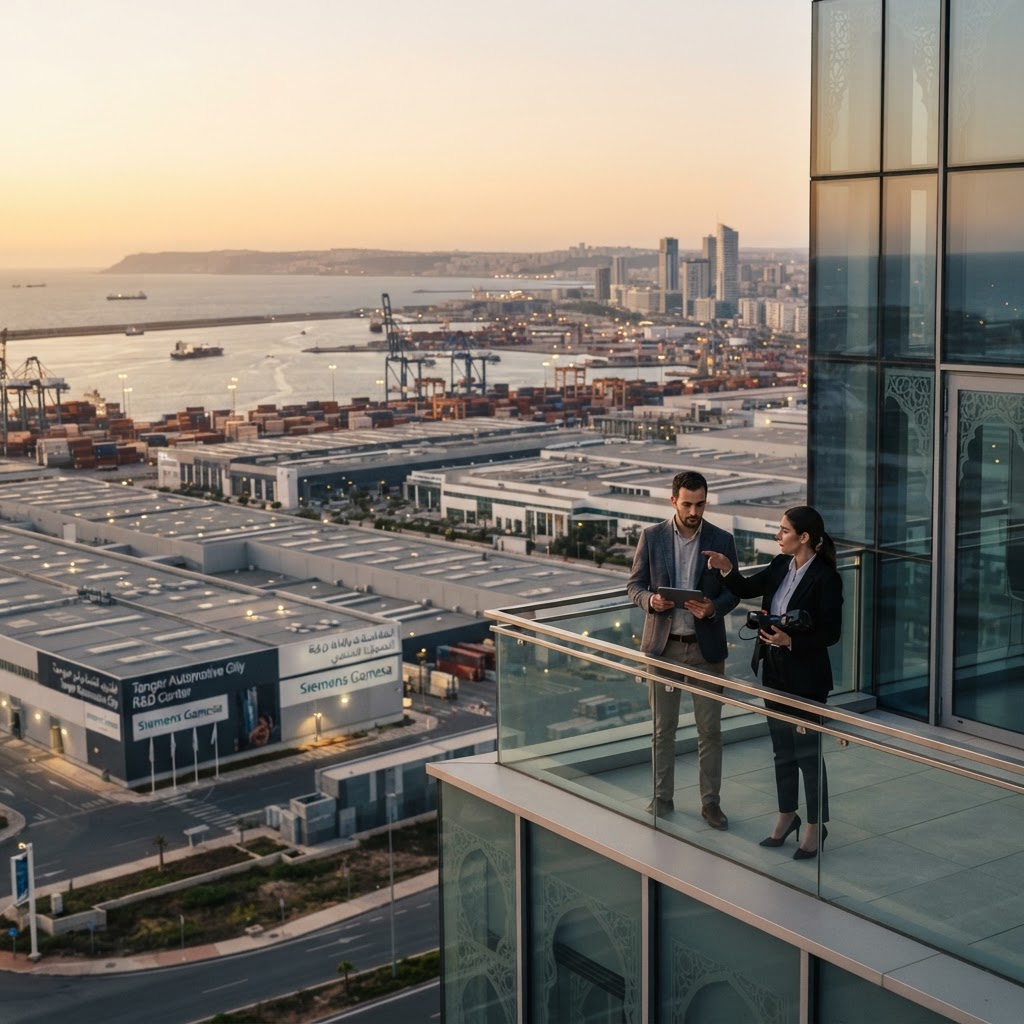
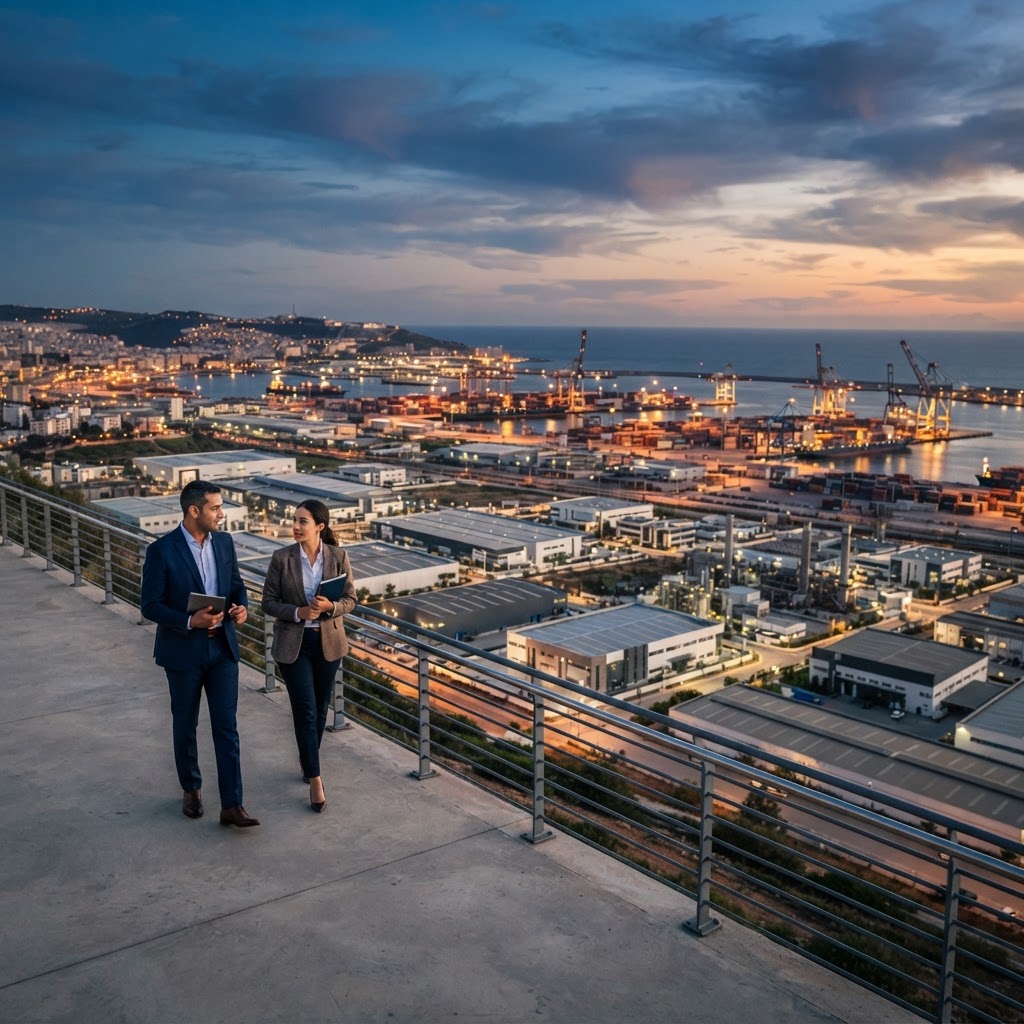
- Tanger Med: A global logistics hub and one of the largest ports in the Mediterranean, serving as a cornerstone for export-oriented industries.
- Casablanca Finance City (CFC): A premier financial hub designed to facilitate investment across the African continent.
- Industrial Acceleration Zones: Located in regions like Kenitra and Tangier, these zones offer streamlined administrative processes and tax advantages for manufacturers.
Incentives and the Investment Charter
The 2022 Investment Charter represents a paradigm shift in how Morocco supports investors. It introduces a tiered system of incentives that vary based on the project's impact. Key features include:
- Common Support Schemes: Tax and customs duty exemptions for qualifying investments.
- Strategic Project Incentives: Tailored packages for large-scale projects that meet specific criteria regarding job creation, technology transfer, or regional development.
- Regional Support: Additional benefits for investments in less-developed provinces to ensure balanced economic growth.
Investors are encouraged to review their specific project eligibility through our enquiry portal to understand how these incentives may apply to their business model.
Risks and Challenges
While the investment climate is favorable, investors should remain cognizant of certain variables:
- Water Scarcity: Periodic droughts can impact agricultural output and require careful planning for water-intensive industries.
- Bureaucratic Complexity: While the government is actively streamlining processes, navigating local administrative requirements still requires professional guidance.
- Regional Economic Fluctuations: As an export-oriented economy, Morocco is sensitive to demand shifts in its primary trading partners, particularly in the European Union.
Sources
- OECD Investment Policy Reviews: Morocco 2024
- U.S. Department of State: 2025 Investment Climate Statement
- S&P Global Ratings: Morocco Credit Outlook 2026
- Kingdom of Morocco: Ministry of Economy and Finance
- UNCTAD Investment Policy Hub
Planning an Investment in Morocco?
InvestMorocco.ai supports investors, companies and project developers with market intelligence, feasibility, market entry, site selection, local partnerships, supplier sourcing and investment project support across Morocco.
Discuss your project: