
Introduction
For international investors evaluating emerging markets, the choice between Morocco and Turkey often arises due to their strategic geographic positions and roles as industrial bridges between continents. While both nations offer compelling value propositions, they operate within distinct economic frameworks, regulatory environments, and regional contexts. Understanding how these two markets differ is essential for aligning capital allocation with long-term strategic objectives.
Morocco has increasingly positioned itself as a stable, pro-business gateway to Africa and Europe, supported by a robust Investment Charter and significant infrastructure development. Turkey, conversely, offers a larger, more mature domestic market with a deeply integrated industrial base. This article explores the nuances of these two destinations to help investors determine which environment best suits their specific business requirements.
Quick Answer
Morocco is generally preferred by investors seeking a stable, cost-competitive platform for nearshoring to Europe and expanding into the African market, supported by a clear, incentive-driven investment framework. Turkey offers a significantly larger domestic consumer base and a more advanced industrial ecosystem, though it presents a different risk-reward profile characterized by higher market volatility and a more complex macroeconomic landscape.
Market Overview
Morocco’s economy is characterized by its strategic focus on export-oriented sectors, including automotive, aerospace, and renewable energy. According to the 2025 U.S. Department of State Investment Climate Statement, the Kingdom is actively positioning itself as a regional industrial hub. In contrast, Turkey maintains a massive, diversified economy with a GDP significantly larger than Morocco’s, serving as a major manufacturing powerhouse for the European market.
Why It Matters to Investors
The decision between these two markets often hinges on the investor's primary goal: market penetration versus export efficiency. Morocco provides a highly predictable regulatory environment and a currency pegged to a basket of major currencies, which aids in long-term financial planning. Turkey offers scale and depth, but investors must account for higher inflation and currency fluctuations that may impact operational costs and profit repatriation.
Opportunities
Opportunities in Morocco are concentrated in high-growth sectors supported by government policy:
- Automotive and Aerospace: Morocco has developed world-class industrial clusters, particularly in the north.
- Renewable Energy: Significant investment in solar and wind projects makes Morocco a leader in green energy transition.
- Agro-industry: Leveraging the country’s agricultural output for high-value processing.
- Outsourcing: A growing hub for business process outsourcing (BPO) targeting European markets.
Locations and Infrastructure
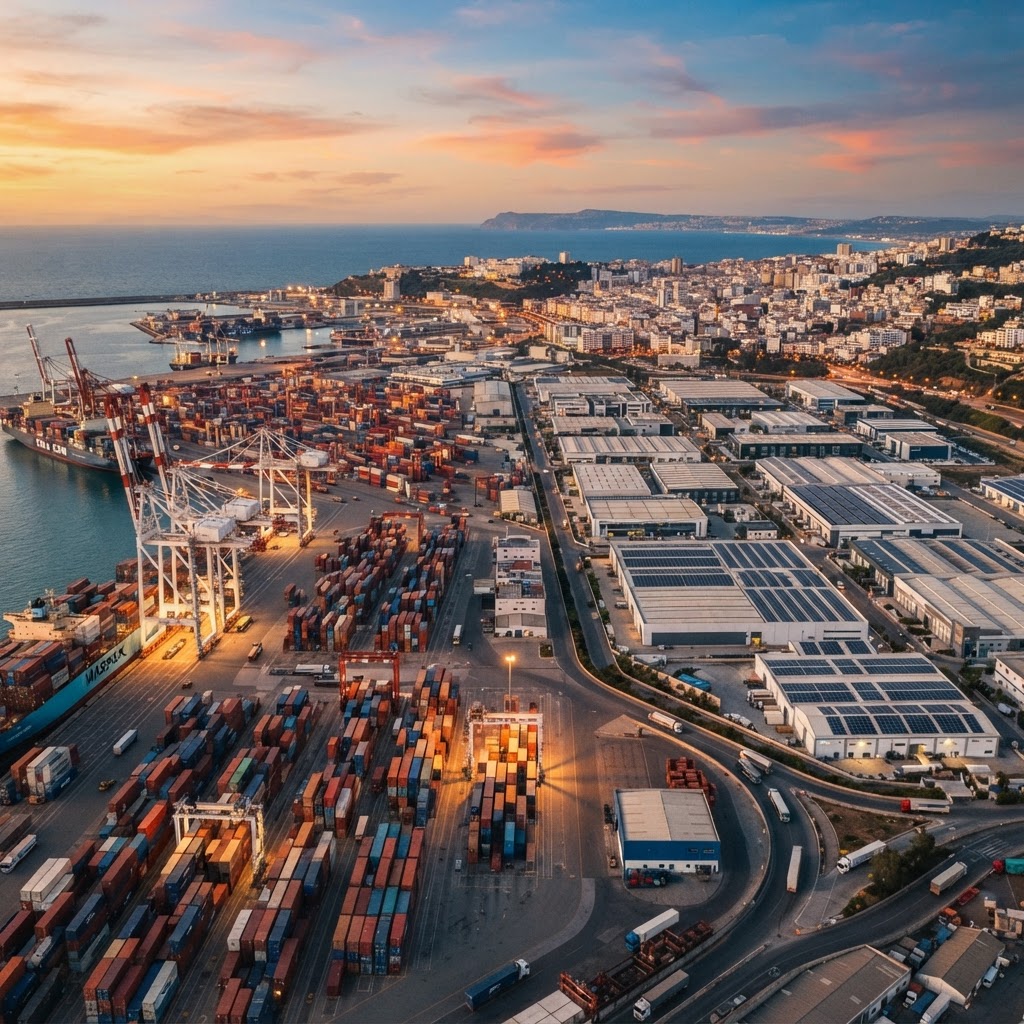
Morocco’s industrial development is anchored by specialized zones such as Tanger Med, one of the largest ports in the Mediterranean, and the Casablanca Finance City. These locations offer integrated logistics and tax incentives. Infrastructure in Morocco has seen massive investment, including high-speed rail and extensive highway networks, which facilitate efficient supply chain management compared to the more congested urban centers in Turkey.
Workforce and Costs
Morocco offers a competitive labor market with a focus on vocational training in technical fields. While Turkey has a larger pool of skilled labor, labor costs in Morocco are generally more competitive for manufacturing and service-based operations. Investors should note that costs vary by region and sector, and professional consultation is recommended to assess specific operational requirements.
Incentives and Regulations
The Moroccan Investment Charter provides a comprehensive framework for investors, offering fiscal and non-fiscal incentives for projects that meet specific criteria, such as job creation and regional development. Morocco’s regulatory environment is increasingly aligned with international standards, supported by numerous free trade agreements that provide access to over 100 countries, including the EU and the U.S.
Risks and Challenges
While Morocco offers stability, investors must be aware of regional disparities and the economy's sensitivity to agricultural cycles and global commodity prices. Turkey, while offering greater scale, presents challenges related to macroeconomic volatility and a more complex geopolitical environment. Investors are encouraged to conduct thorough due diligence and seek professional guidance via our enquiry page to mitigate risks.
Sources
- OECD Investment Policy Reviews: Morocco 2024
- 2025 U.S. Department of State Investment Climate Statement
- UNCTAD World Investment Report 2024
- EBRD Morocco Country Strategy 2024-2029
- Bank Al-Maghrib and Office des Changes data
Planning an Investment in Morocco?
InvestMorocco.ai supports investors, companies and project developers with market intelligence, feasibility, market entry, site selection, local partnerships, supplier sourcing and investment project support across Morocco.
Discuss your project: