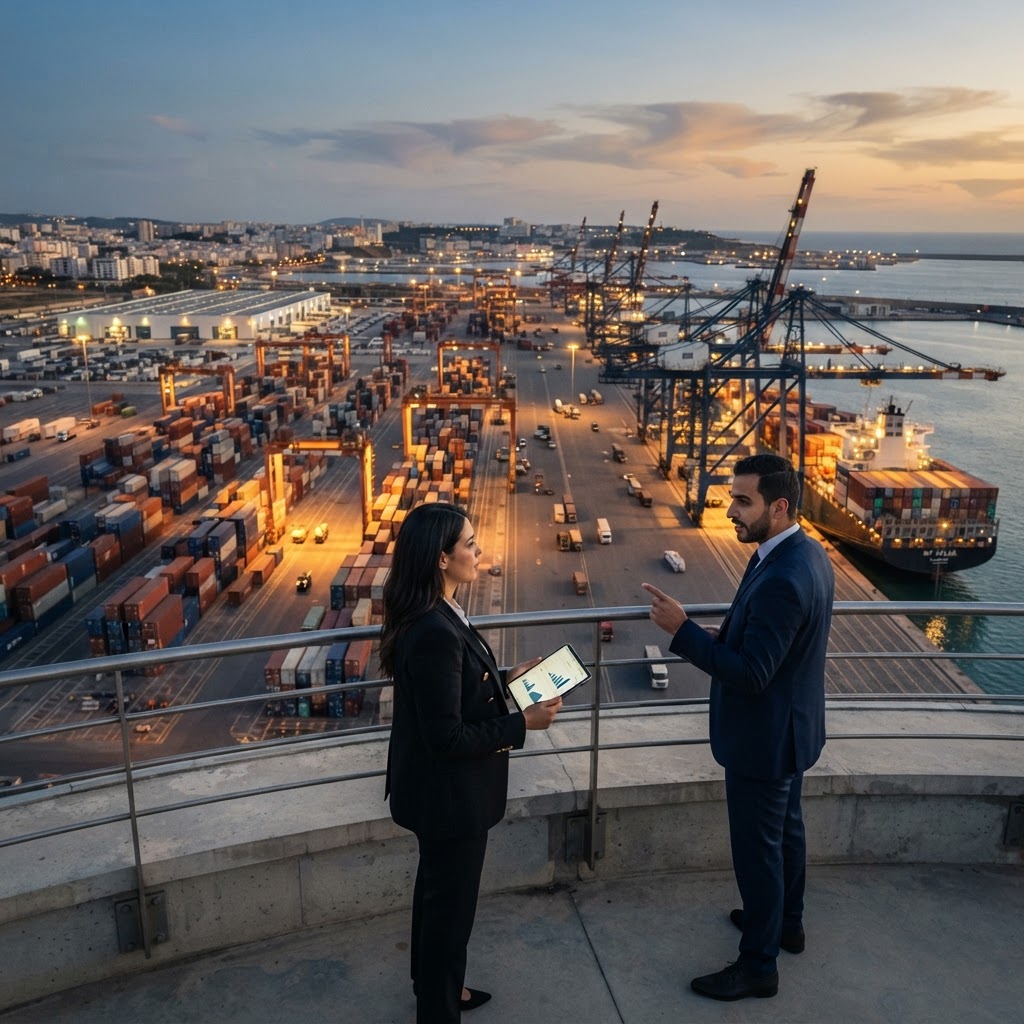
Introduction
For international investors evaluating the African continent, Morocco stands out as a distinct proposition. Positioned at the crossroads of Europe, the Middle East, and Sub-Saharan Africa, the Kingdom has systematically cultivated a business environment designed to integrate into global value chains. Unlike many emerging markets that rely solely on commodity exports, Morocco has pivoted toward industrialization, services, and renewable energy, positioning itself as a stable, competitive, and strategic hub for foreign direct investment (FDI).
As investors weigh their options across the continent, understanding how Morocco compares to its peers requires a look at its regulatory framework, infrastructure, and long-term economic vision. Whether you are exploring manufacturing, technology, or green energy, Morocco offers a unique blend of proximity to European markets and deep-rooted connectivity to the African continent.
Quick Answer
Morocco consistently ranks among the top African nations for business climate and FDI attraction due to its political stability, world-class infrastructure like the Tangier-Med port, and a robust network of free trade agreements. While other African nations may offer different resource-based advantages, Morocco distinguishes itself through its institutional maturity, strategic geographic positioning, and a proactive Investment Charter that incentivizes industrial and export-oriented projects.
Market Overview
Morocco’s economic strategy is defined by its ambition to serve as a regional industrial and logistics hub. According to the 2026 Business Climate Barometer by the French Council of Investors in Africa (CIAN), Morocco has been recognized as a leader in the African business climate, outperforming several regional peers in institutional stability and investor confidence. The country’s GDP, exceeding $140 billion (2023 estimate), is supported by a diversified economy that moves beyond traditional agriculture into automotive, aerospace, and textile manufacturing.
Why It Matters to Investors
For businesses seeking to mitigate risk while accessing high-growth markets, Morocco offers a "gateway" advantage. The country’s return to the African Union in 2017 and its active participation in the African Continental Free Trade Area (AfCFTA) provide investors with a platform to scale operations across the continent. Furthermore, the stability of the Moroccan Dirham and the government’s commitment to structural reforms create a predictable environment for long-term capital allocation.
Opportunities
Investors are increasingly looking at Morocco for high-value sectors, including:
- Renewable Energy: Significant potential in green hydrogen, solar, and wind energy projects.
- Automotive and Aerospace: A mature ecosystem with established global OEMs and tier-one suppliers.
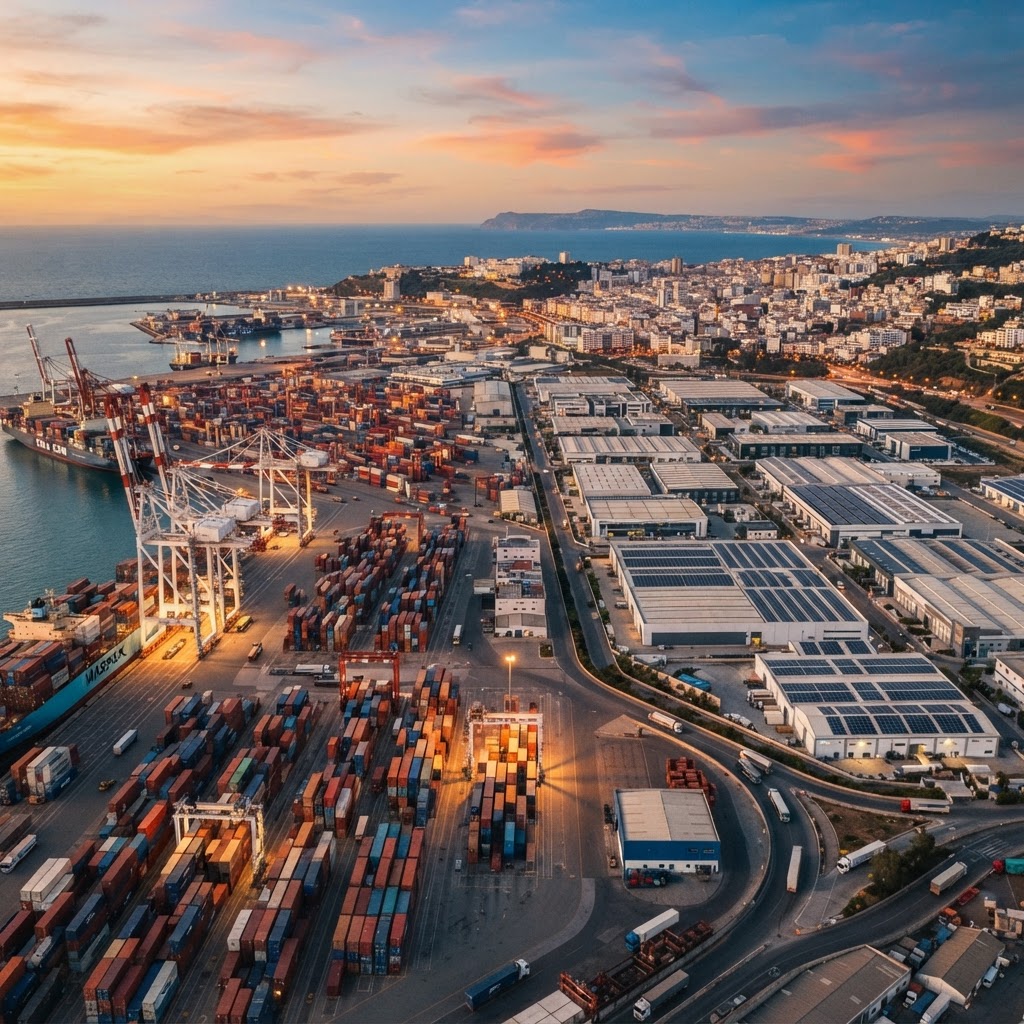
- Logistics and Infrastructure: Leveraging the capacity of the Tangier-Med port and expanding rail networks.
- Digital Services: A growing tech-savvy workforce and increasing investment in digital infrastructure.
Locations
Morocco’s industrial landscape is concentrated in strategic zones designed to facilitate export-oriented business:
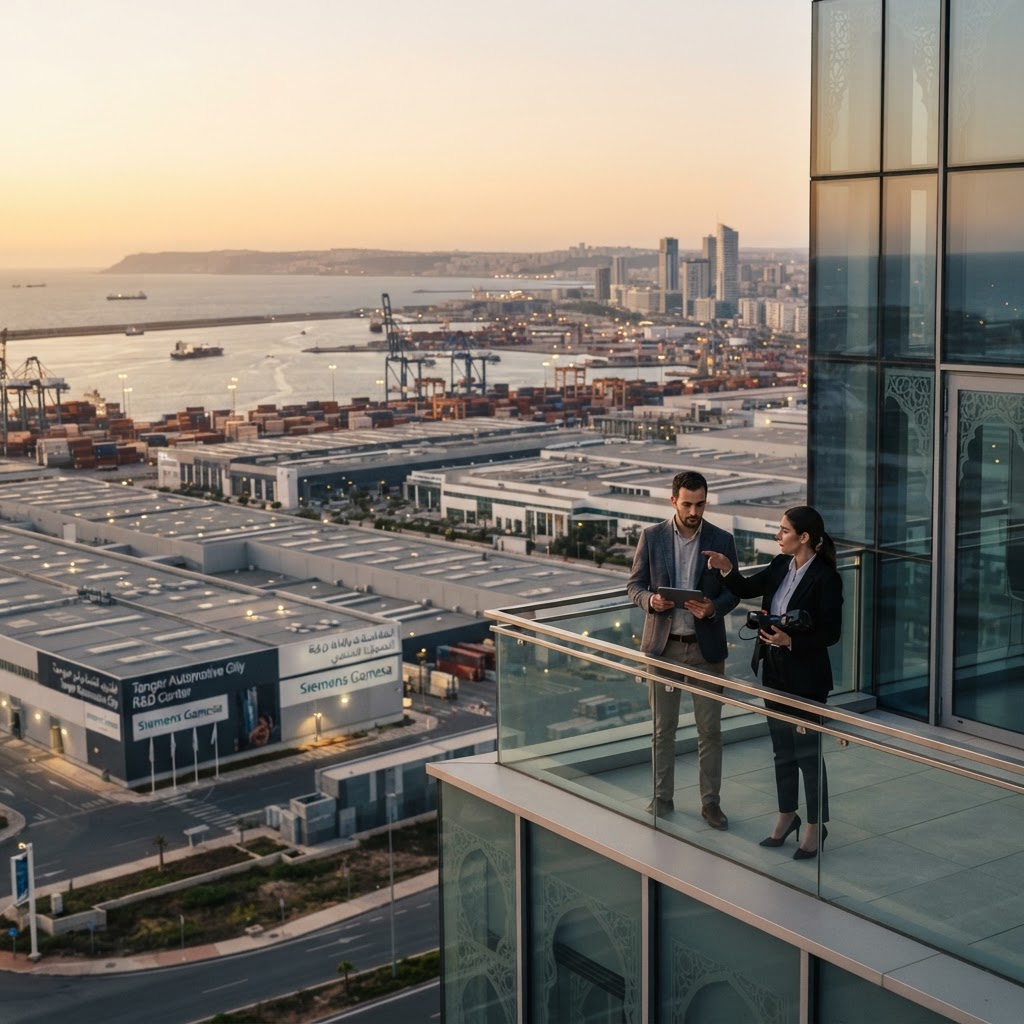
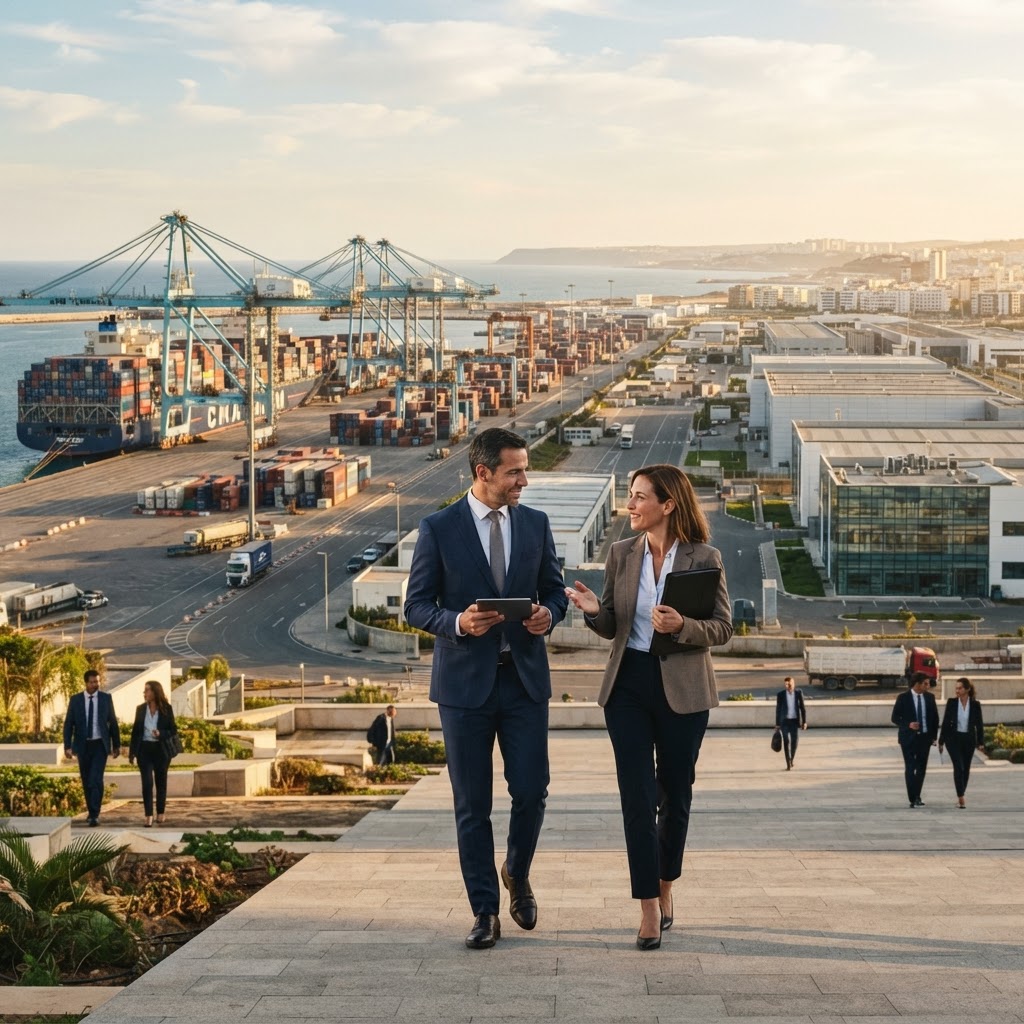
- Tangier: Home to the Tangier-Med port, the largest in Africa and the Mediterranean, serving as a critical logistics node.
- Casablanca: The commercial and financial heart of the country, hosting the majority of corporate headquarters and service-sector firms.
- Kenitra: A rapidly growing hub for automotive manufacturing and industrial assembly.
- Rabat: The political capital, serving as the center for regulatory and administrative engagement.
Infrastructure and Workforce
Morocco’s infrastructure is often cited as a primary competitive advantage compared to other African nations. The country has invested heavily in high-speed rail, modern highway networks, and world-class port facilities. Regarding the workforce, the government has prioritized education reform through the Superior Council for Education, Training and Scientific Research to align vocational training with the needs of modern industry. While labor costs remain competitive, the focus is increasingly on productivity and specialized technical skills.
Incentives and Regulations
The 2022 Investment Charter represents a significant shift in Morocco’s approach to FDI, offering expanded incentives for projects that contribute to job creation, regional development, and sustainable growth. These incentives may include tax exemptions, land subsidies, and support for infrastructure development. Investors are encouraged to review the specific criteria for these programs through an official enquiry to determine eligibility based on their sector and project scale.
Risks and Challenges
While Morocco offers a stable environment, investors should remain cognizant of regional economic fluctuations and the necessity of navigating local administrative procedures. Like any emerging market, success requires thorough due diligence, local partnerships, and an understanding of the regulatory landscape. Costs can vary significantly depending on the region and the nature of the investment, necessitating a tailored financial model.
Sources
- United Nations Conference on Trade and Development (UNCTAD) World Investment Reports (2019-2024)
- French Council of Investors in Africa (CIAN) Business Climate Barometer (2026)
- U.S. Department of State Investment Climate Statements (2020-2024)
- Morocco Now / AMDIE (Moroccan Agency for Investment and Export Development)
- Bank Al-Maghrib and Office des Changes data
Planning an Investment in Morocco?
InvestMorocco.ai supports investors, companies and project developers with market intelligence, feasibility, market entry, site selection, local partnerships, supplier sourcing and investment project support across Morocco.
Discuss your project: