Introduction
For global manufacturers seeking to optimize supply chains, the choice between North Africa and Eastern Europe has become a defining strategic decision. While Eastern Europe has long served as the traditional manufacturing backyard for the European Union, Morocco has rapidly emerged as a formidable competitor. By leveraging its unique geographic position at the crossroads of Europe, Africa, and the Americas, Morocco is transitioning from an alternative investment destination to a core pillar of global industrial supply chains.
Investors evaluating these regions must look beyond simple labor cost comparisons. The decision involves weighing the established integration of Eastern European markets against Morocco’s aggressive industrial policy, world-class logistics infrastructure, and expanding network of free trade agreements. This article explores how Morocco compares to Eastern Europe for manufacturing, providing the analytical framework necessary for informed decision-making.
Quick Answer
Morocco competes with Eastern Europe by offering superior proximity to Western European markets, lower operational costs, and a highly integrated industrial ecosystem, particularly in automotive and aerospace. While Eastern Europe benefits from deeper EU regulatory alignment, Morocco provides a more cost-competitive environment with significant government-backed investment incentives and strategic access to emerging African markets.
Market Overview
Morocco has successfully positioned itself as a regional industrial hub, with manufacturing attracting approximately 23.6% of total foreign direct investment (FDI) stocks as of 2024 [8]. Unlike Eastern Europe, which is largely defined by its role as a production extension of the EU, Morocco operates as a multi-directional gateway. The country has moved beyond basic assembly, fostering high-value sectors such as electric battery production, automotive components, and aeronautics [4] [6].
Why It Matters to Investors
The shift toward "nearshoring" has made Morocco an essential consideration for firms looking to reduce lead times and mitigate the risks associated with long-distance supply chains. For companies currently operating in or considering Eastern Europe, Morocco offers a hedge against rising labor costs and potential geopolitical volatility in the European periphery. The ability to serve both European and African markets from a single, stable base provides a unique competitive advantage that few Eastern European locations can replicate.
Locations and Industrial Zones
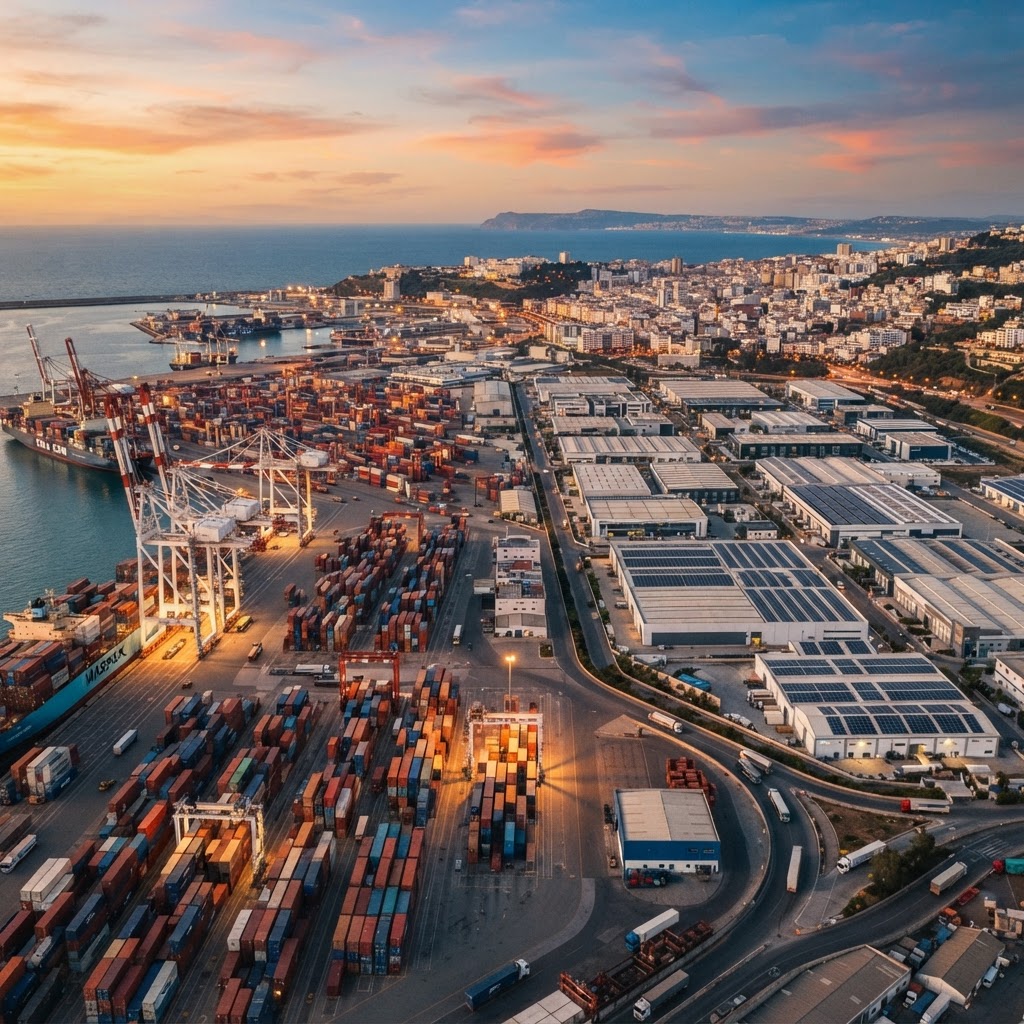
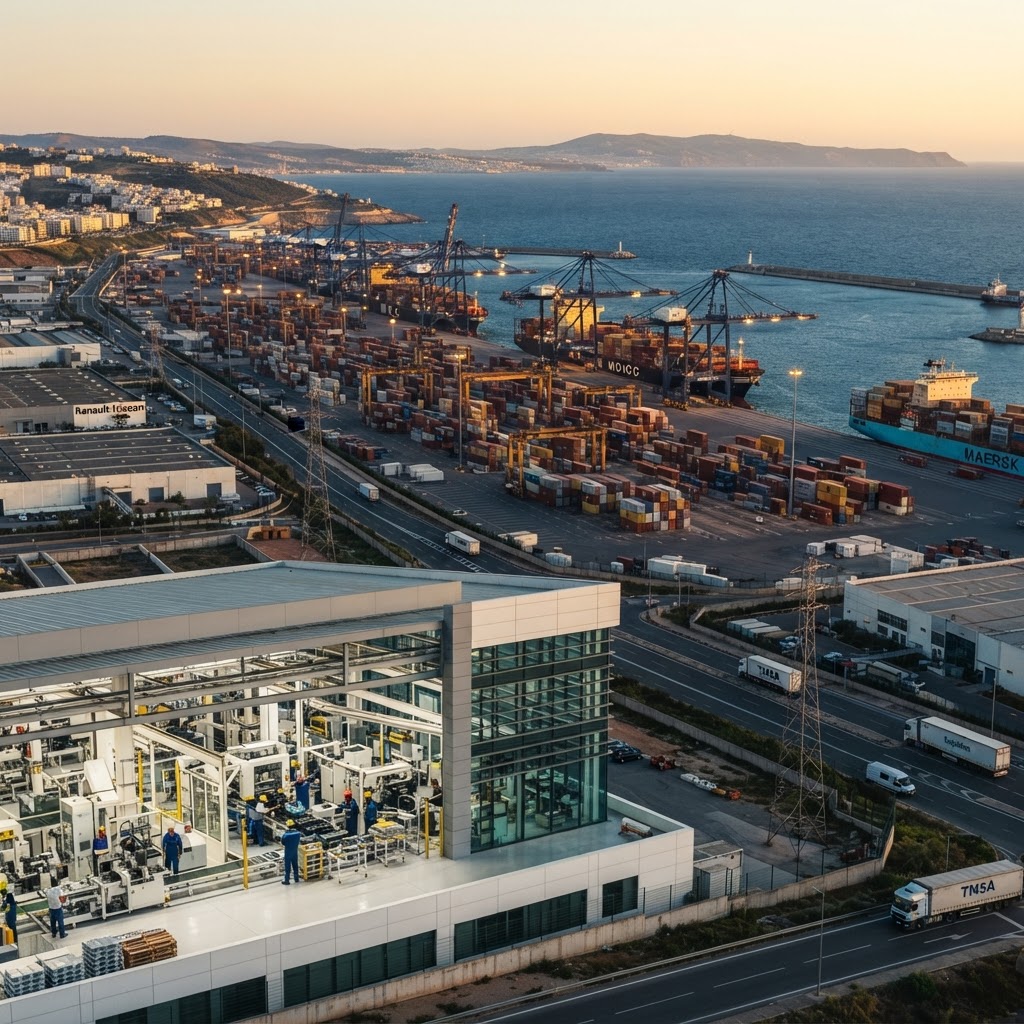
Morocco’s industrial strategy is anchored by world-class infrastructure, most notably the Tanger Med port complex, which serves as a global logistics node [3] [9]. Key industrial zones include:
- Tanger Med Zones: Focused on automotive, logistics, and high-tech manufacturing with seamless port integration.
- Kenitra Atlantic Free Zone: A primary hub for the automotive sector, hosting major global OEMs and tier-one suppliers.
- Casablanca Technopark: Geared toward high-value services, R&D, and light manufacturing.
- Ben Guerir: An emerging hub for green technology and virtual reality industries [3].
Costs and Workforce
While costs vary significantly by sector and specific location, Morocco generally offers a highly competitive cost structure compared to the more mature industrial markets of Central and Eastern Europe. Labor costs remain attractive, supported by a growing pool of skilled technicians and engineers trained through specialized vocational institutes [4]. Investors should note that while base wages may be lower, the total cost of ownership—including logistics, energy, and regulatory compliance—should be modeled against specific project requirements [7].
Incentives and Regulations
Morocco’s investment climate is bolstered by the national Investment Charter, which provides a framework for financial support, tax exemptions, and land access for strategic projects [6]. The government actively facilitates foreign investment through:
- Trade Liberalization: Extensive free trade agreements providing access to over 1 billion consumers, including the EU, the U.S., and various African markets [4] [9].
- Structural Reforms: Ongoing efforts to simplify administrative procedures and improve the ease of doing business [6].
- Public-Private Partnerships: Collaborative models for developing and managing industrial land, ensuring infrastructure meets international standards [5].
Investor Considerations
When comparing Morocco to Eastern Europe, investors should conduct a thorough review of their specific supply chain needs. Key factors include:
- Market Access: Does your primary market require EU regulatory alignment, or do you need a platform to reach both Europe and Africa?
- Logistics: Evaluate the proximity to major shipping lanes and the efficiency of local port infrastructure.
- Local Value Addition: Consider the government’s focus on increasing local content and value retention, which may influence long-term operational strategies [10].
For personalized guidance on evaluating your specific project, you may submit an enquiry to our team.
Sources
- U.S. Department of State: 2024 Investment Climate Statements
- U.S. Department of State: 2025 Morocco Investment Climate Statement
- Hespress: Morocco as an Industrial Hub
- Millennium Challenge Corporation: Developing Morocco’s Industrial Zones
- Tanger Med: Logistics and Industrial Hub Investment Memorandum
- Atalayar: Morocco FDI Analysis
Planning an Investment in Morocco?
InvestMorocco.ai supports investors, companies and project developers with market intelligence, feasibility, market entry, site selection, local partnerships, supplier sourcing and investment project support across Morocco.
Discuss your project: