Introduction
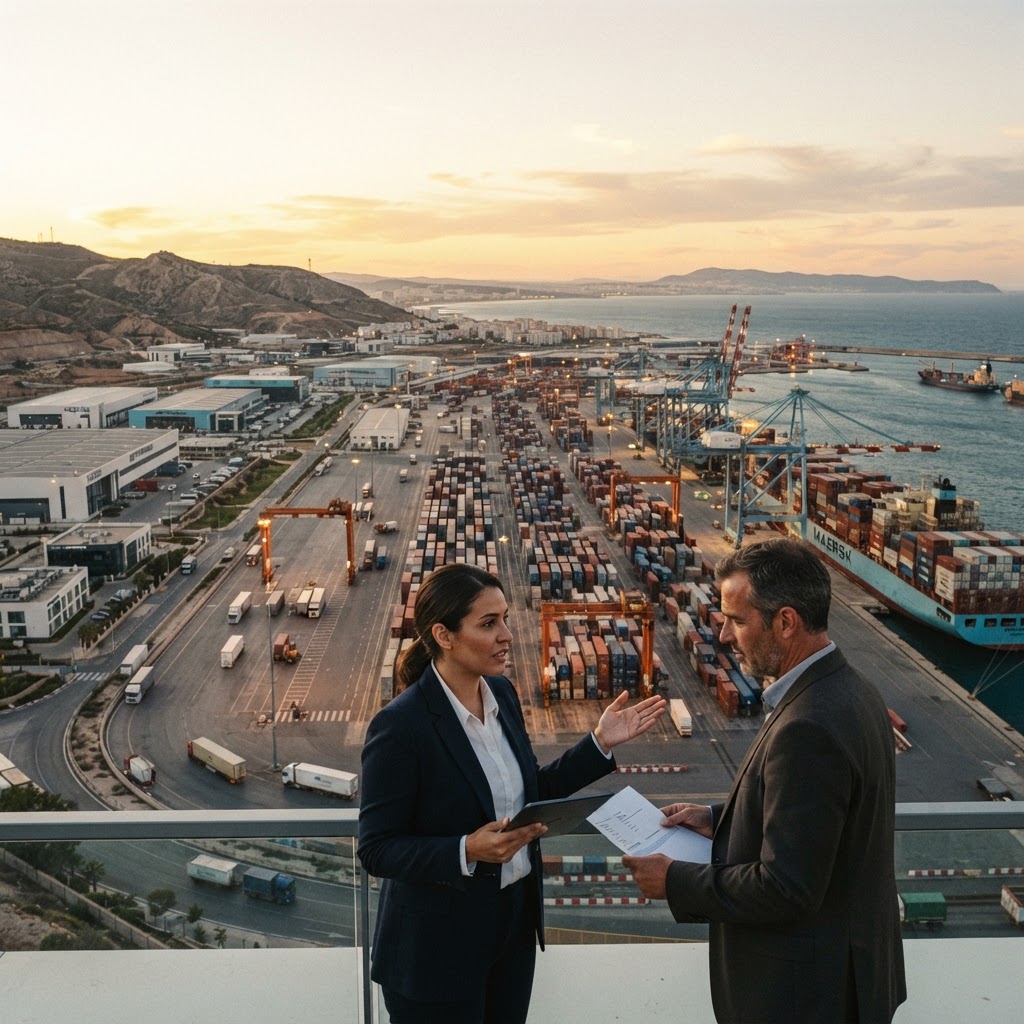
Morocco has strategically positioned itself as a premier industrial and logistics hub connecting the European Union with the African continent. With its proximity to the Iberian Peninsula and a robust network of trade agreements, the country serves as a vital extension of European supply chains. For international investors, Morocco offers a unique combination of political stability, modern infrastructure, and a competitive cost structure that facilitates seamless integration into the EU market.
As global supply chains undergo a period of regionalization, Morocco’s role as a nearshoring destination has gained significant momentum. By leveraging the EU-Morocco Association Agreement, businesses can access a stable regulatory environment designed to foster cross-border trade and industrial cooperation.
Quick Answer
Morocco serves the EU market primarily through its strategic geographic proximity, a comprehensive Free Trade Area established by the EU-Morocco Association Agreement, and highly developed industrial zones. Investors can utilize Morocco as a nearshoring base to benefit from lower operational costs, skilled labor, and efficient logistics links to European ports.
Market Overview
The trade relationship between Morocco and the EU is deep and multifaceted. As of 2025, the EU remains Morocco’s largest trade partner, accounting for over 33% of its total trade in goods. Total trade volume reached approximately €62.2 billion in 2025, highlighting the scale of economic integration. Key sectors driving this exchange include machinery, transport equipment, agricultural products, and textiles.
Why It Matters to Investors
For companies looking to optimize their supply chains, Morocco provides a "bridge" strategy. Investors benefit from:
- Geographic Proximity: Short transit times to major European ports like Algeciras and Marseille.
- Regulatory Alignment: Ongoing efforts to harmonize standards and facilitate trade under the Association Agreement.
- Market Access: Preferential access to the EU single market, which comprises over 500 million consumers.
Opportunities
The most significant opportunities for investors targeting the EU market lie in sectors where Morocco has developed specialized industrial ecosystems:
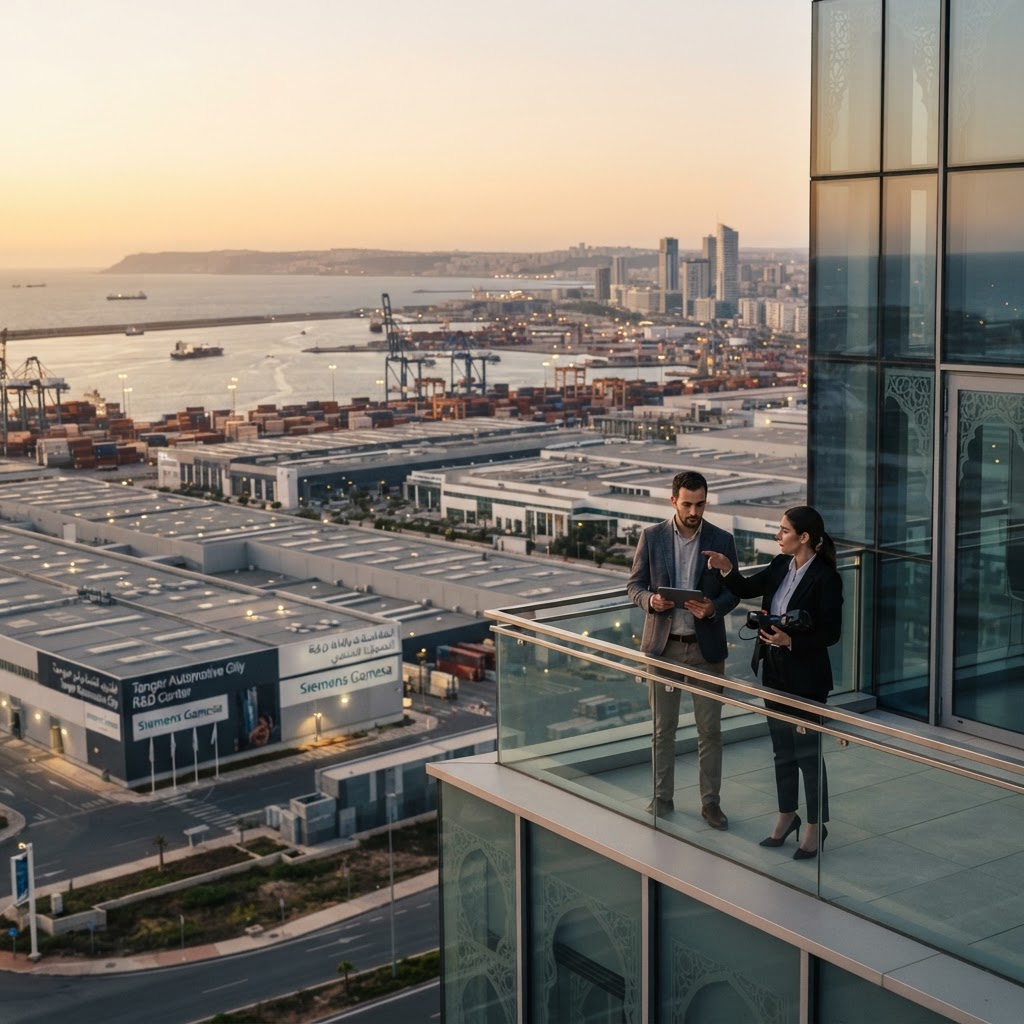
- Automotive Manufacturing: Morocco has become a leading automotive hub in Africa, supplying components and vehicles to major European manufacturers.
- Renewable Energy: With significant investments in solar and wind, Morocco is positioning itself to export green energy and green hydrogen to the EU.
- Agri-business: High-quality agricultural exports that meet EU phytosanitary standards.
- Textiles and Apparel: A mature industry offering fast-fashion capabilities for European retailers.
Locations and Industrial Zones
Morocco’s industrial landscape is anchored by specialized zones that offer world-class infrastructure:
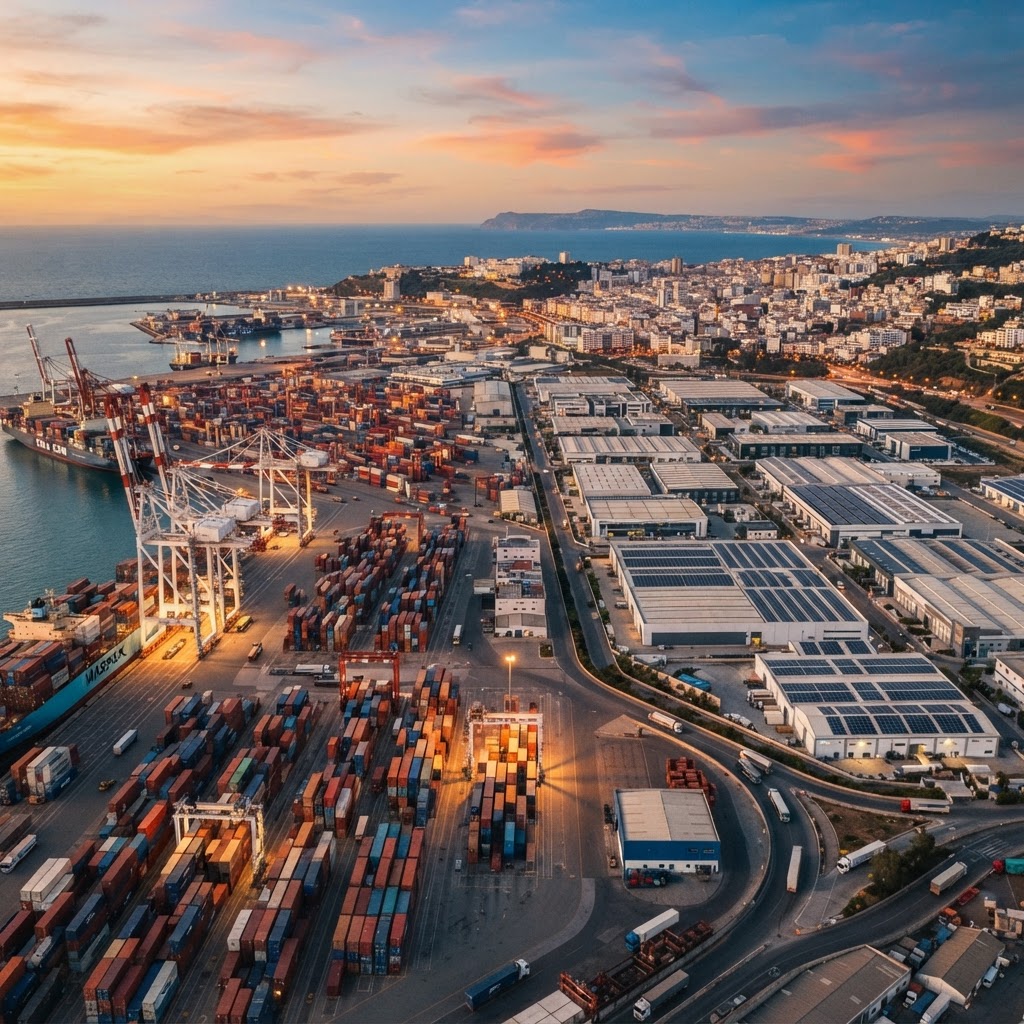
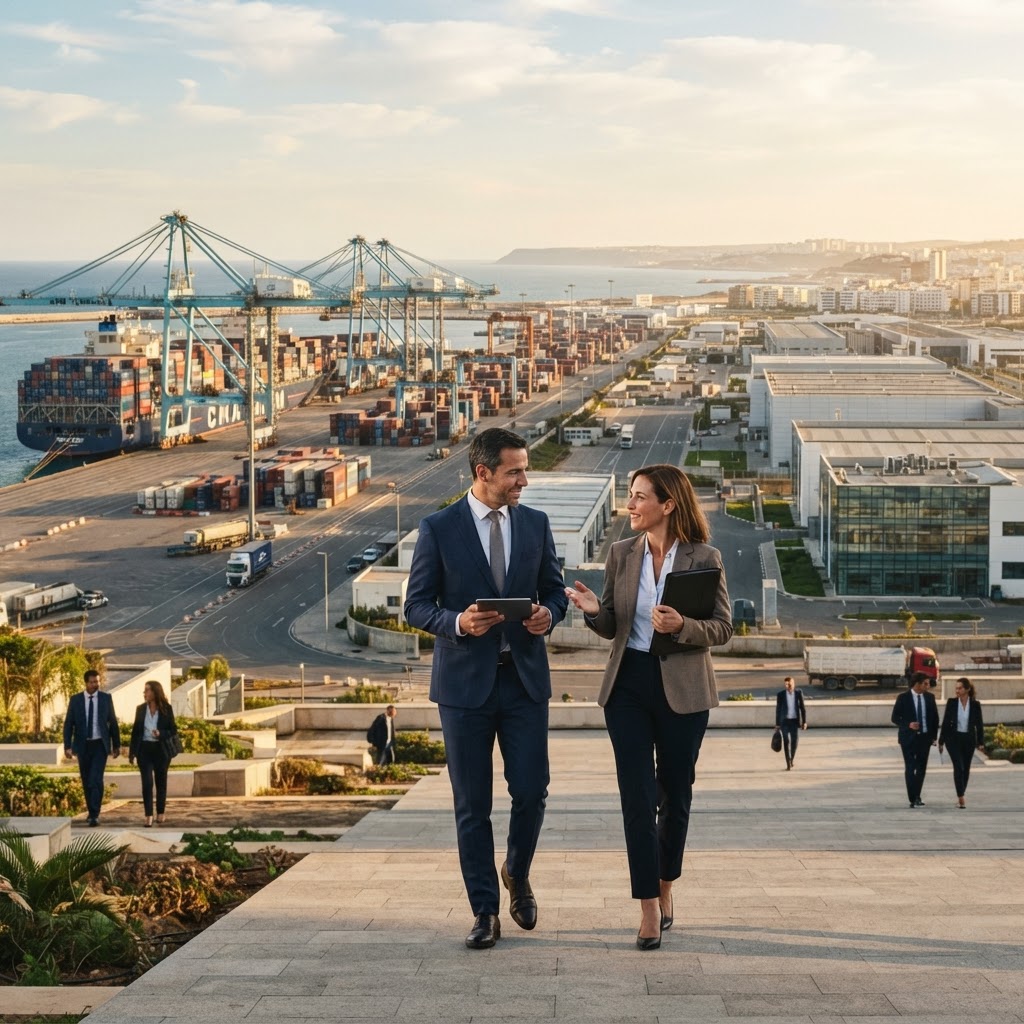
- Tangier Med: A world-class port and industrial complex that serves as the primary gateway to the EU.
- Casablanca: The nation’s financial and commercial heart, hosting diverse industrial parks.
- Kenitra: A rapidly growing hub for automotive and high-tech manufacturing.
Infrastructure and Workforce
Morocco has invested heavily in its logistics and human capital. The country boasts an extensive network of highways, high-speed rail, and modern port facilities. The workforce is increasingly skilled, with specialized training programs in engineering, automotive, and aeronautics designed to meet international standards. For those evaluating entry, our enquiry page provides further guidance on operational setup.
Incentives and Regulations
The Moroccan government actively encourages foreign direct investment through the Investment Charter. Incentives may include:
- Customs duty exemptions on imported capital goods.
- Subsidies for land acquisition in industrial zones.
- Tax incentives for projects that contribute to regional development or job creation.
Investors should note that these incentives are subject to specific criteria and require formal application and review by relevant authorities.
Risks and Challenges
While the environment is pro-business, investors must conduct thorough due diligence. Challenges may include navigating complex administrative procedures, managing currency fluctuations, and ensuring compliance with evolving EU environmental and sustainability regulations. Engaging with local legal and financial experts is recommended to mitigate these risks.
Sources
- European Commission (2025) - EU-Morocco Trade Relations
- UNCTAD Investment Policy Hub - International Investment Agreements
- Office des Changes - Trade Statistics
- Morocco Now - Industrial Sector Reports
Planning an Investment in Morocco?
InvestMorocco.ai supports investors, companies and project developers with market intelligence, feasibility, market entry, site selection, local partnerships, supplier sourcing and investment project support across Morocco.
Discuss your project: